Last Updated on 24 Jun 2026
Promo Code Abuse Detection: How Bots, VPNs, and Fake Accounts Drain Marketing Campaigns
Share in
Introduction
Promo codes are easy to launch and easy to share. That is why they work.
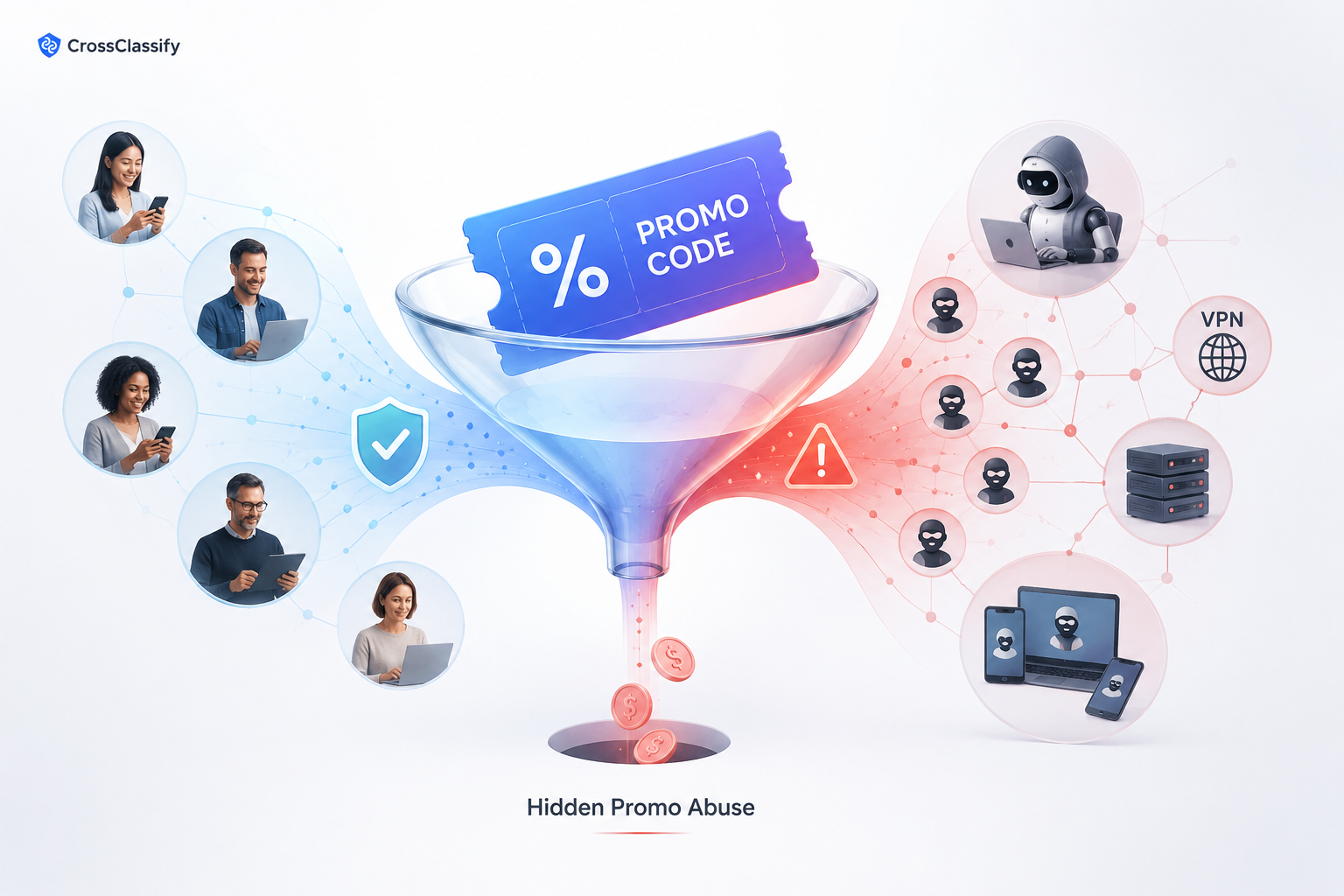
They are also easy to abuse. A code meant for first time users can spread across forums, bots, referral groups, coupon sites, fraud rings, or repeated account setups. A code meant to drive conversion can turn into a margin leak.
Promo code abuse detection helps teams understand whether a claim is part of a genuine customer journey or part of repeated, automated, or coordinated abuse.
Why Promo Codes Matter Now
Promotions are central to ecommerce, marketplaces, fintech, gaming, betting, SaaS, crypto, delivery, and loyalty programs. They reduce friction, create urgency, and help users take a first action.
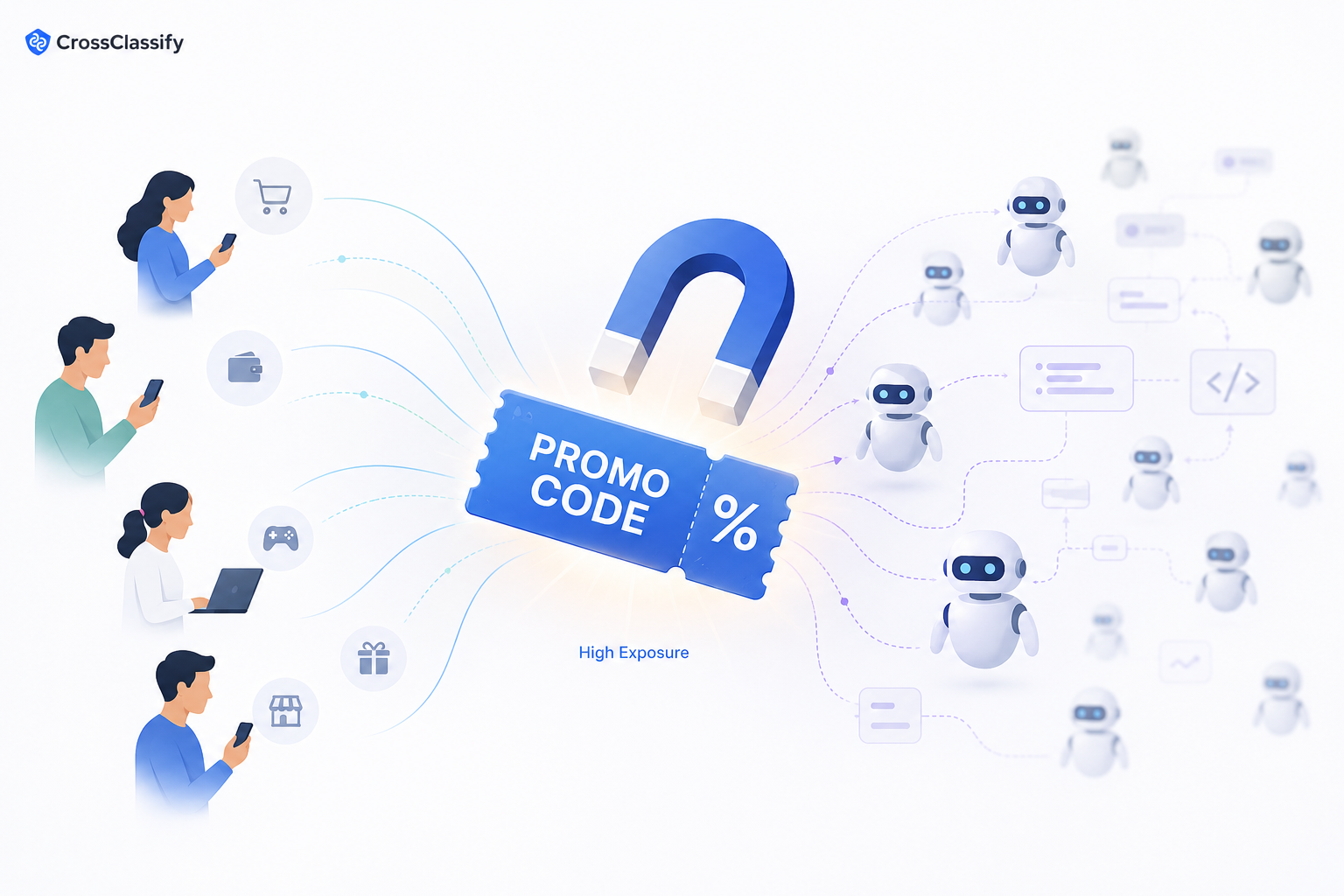
But modern promo abuse is not only a coupon problem. It is connected to fake account creation, bot traffic, device spoofing, VPN usage, proxy traffic, referral abuse, and abnormal redemption behavior.
Imperva reports that automated traffic accounts for 51 percent of all web traffic, which means promo campaigns are operating in an environment where bots are no longer a fringe problem. (Imperva)
The Fraud Risks Behind Promo Code Abuse
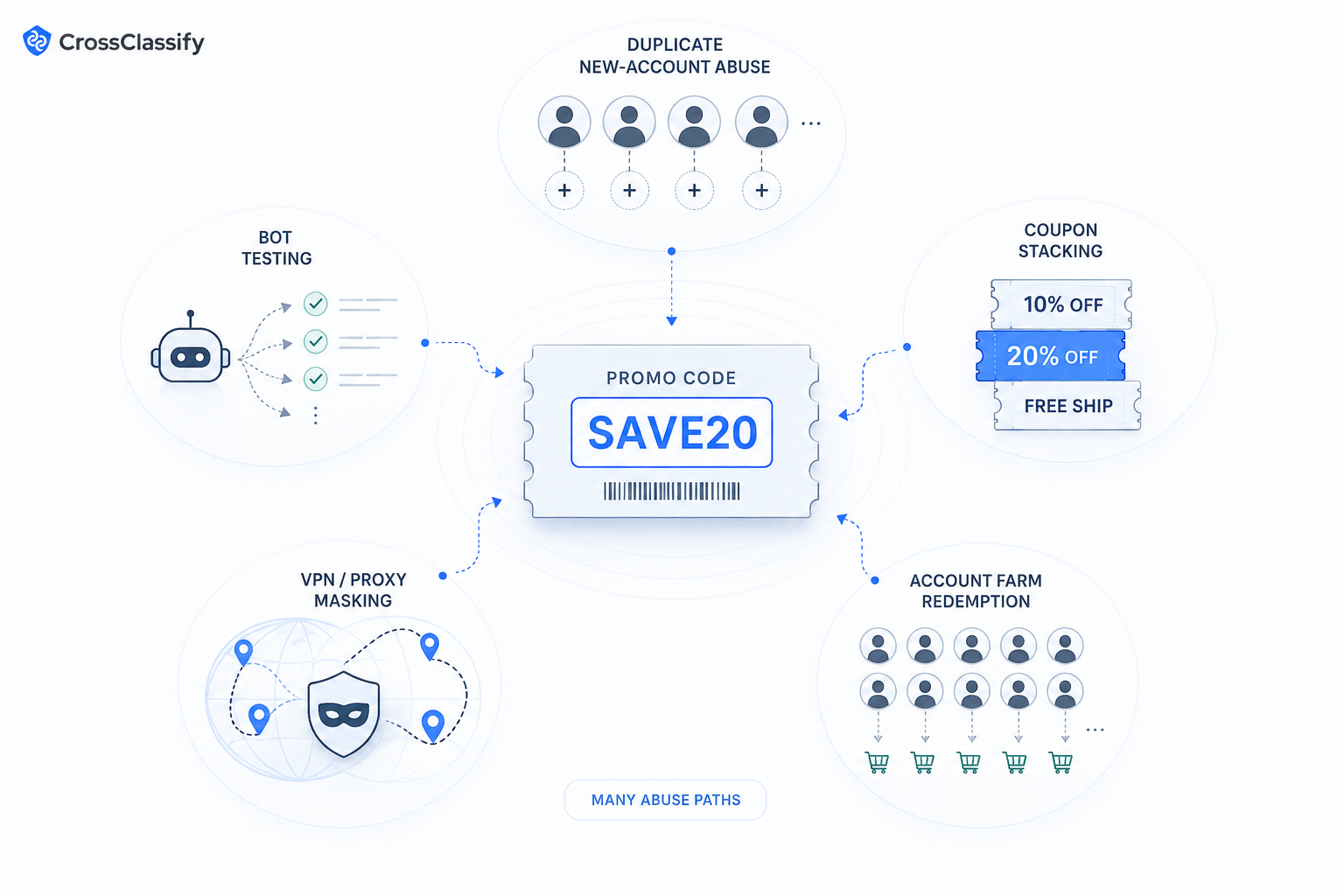
Promo code abuse can appear in several ways:
- First user abuse
Existing users create new accounts to claim new user offers. - Coupon stacking abuse
Users exploit promotion rules to combine discounts in unintended ways. - Bot testing
Scripts test codes, eligibility rules, and redemption paths. - VPN and proxy abuse
Users change location or identity signals to appear eligible. - Account farm redemption
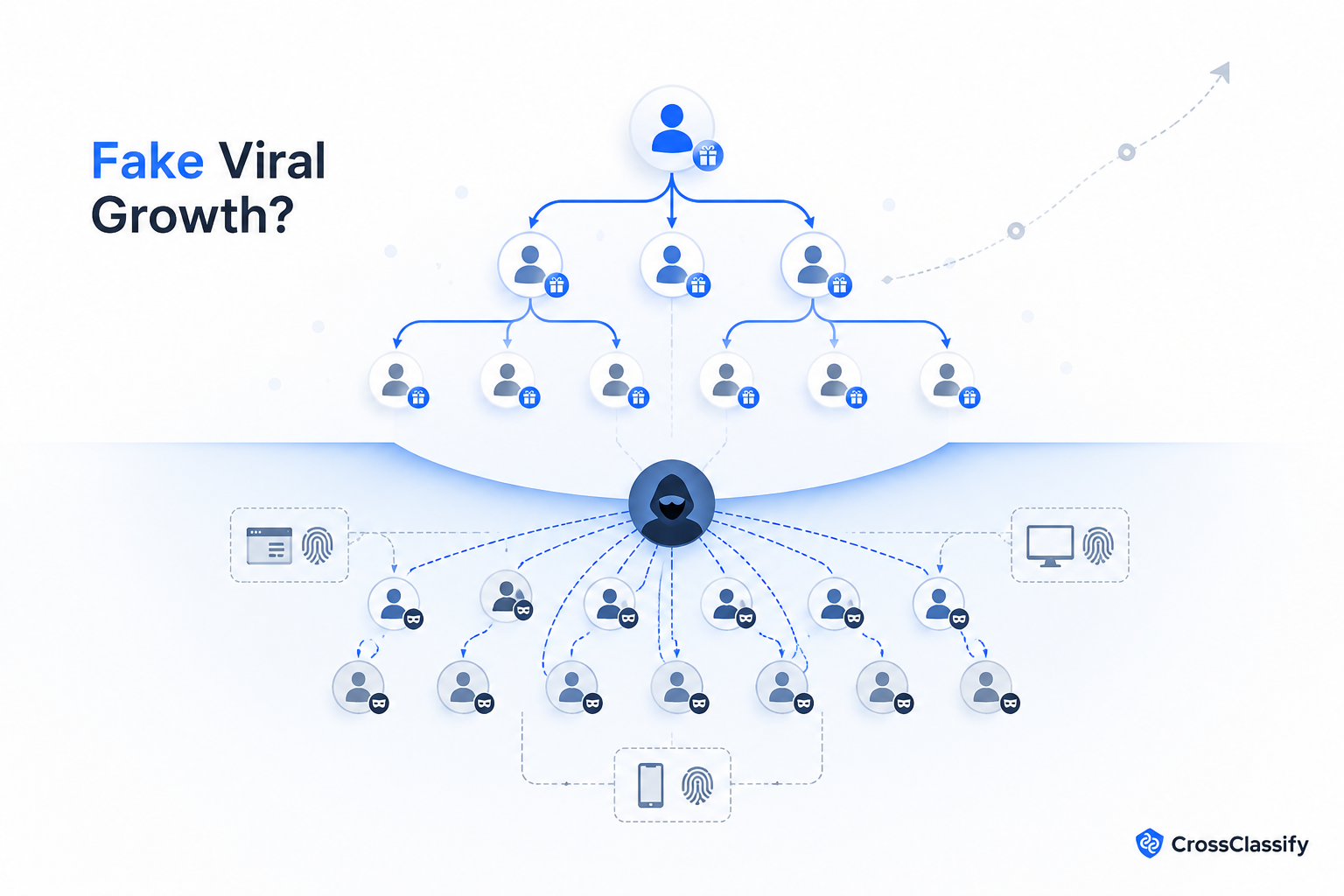
Groups create and control many accounts to claim codes repeatedly.
What Usually Goes Wrong Without Detection
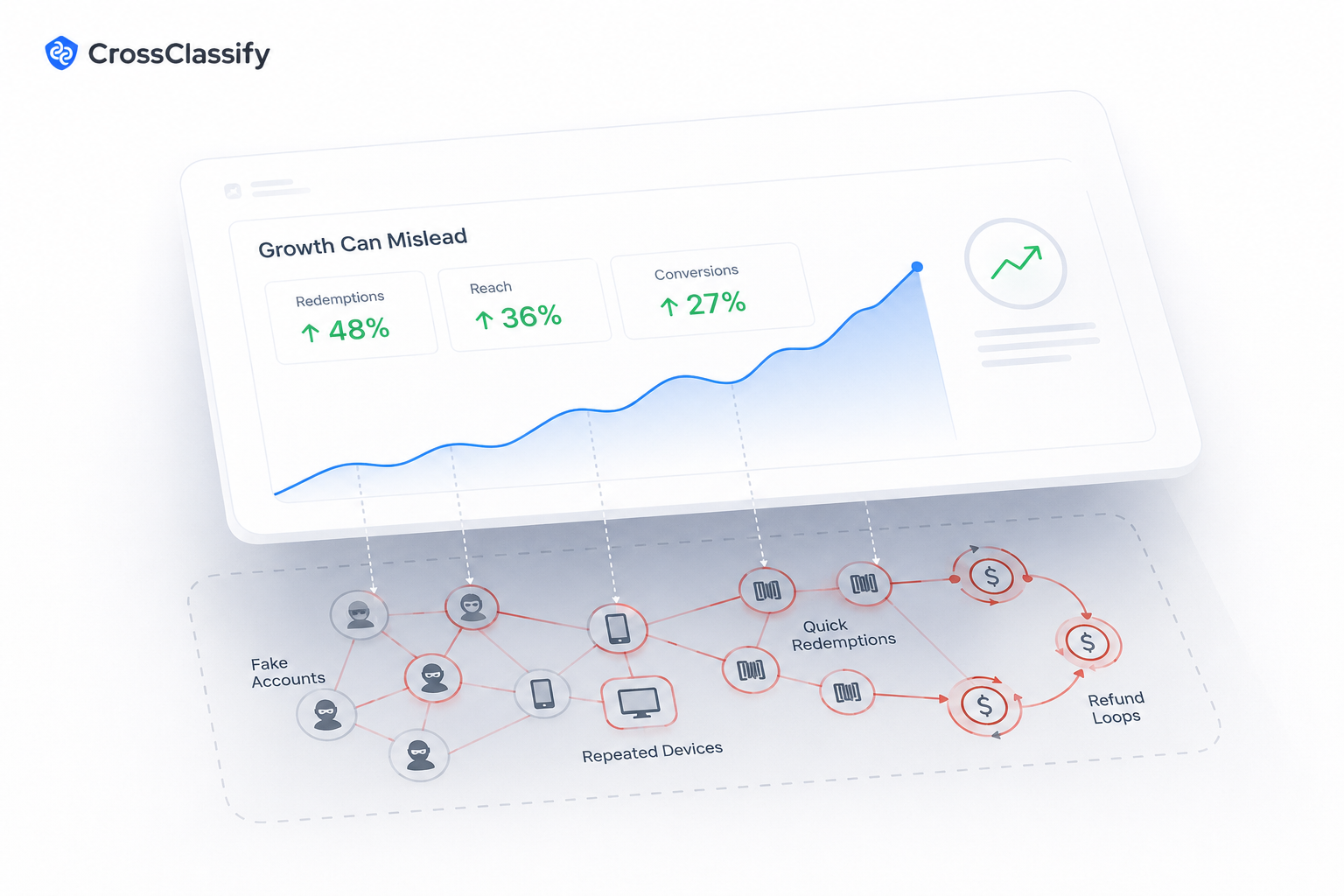
Marketing teams often see promo code performance through redemption volume, conversion rate, order value, and campaign source. Those metrics are useful, but they do not answer the abuse question.
- Were those redemptions real new customers?
- Were the users already connected?
- Were bots testing the code?
- Did one device family claim the offer repeatedly?
- Did suspicious users redeem and disappear?
- Did support or refund behavior increase after redemption?
Without this visibility, teams may keep funding campaigns that attract abuse.
What a Better Promo Code Abuse Detection Path Looks Like
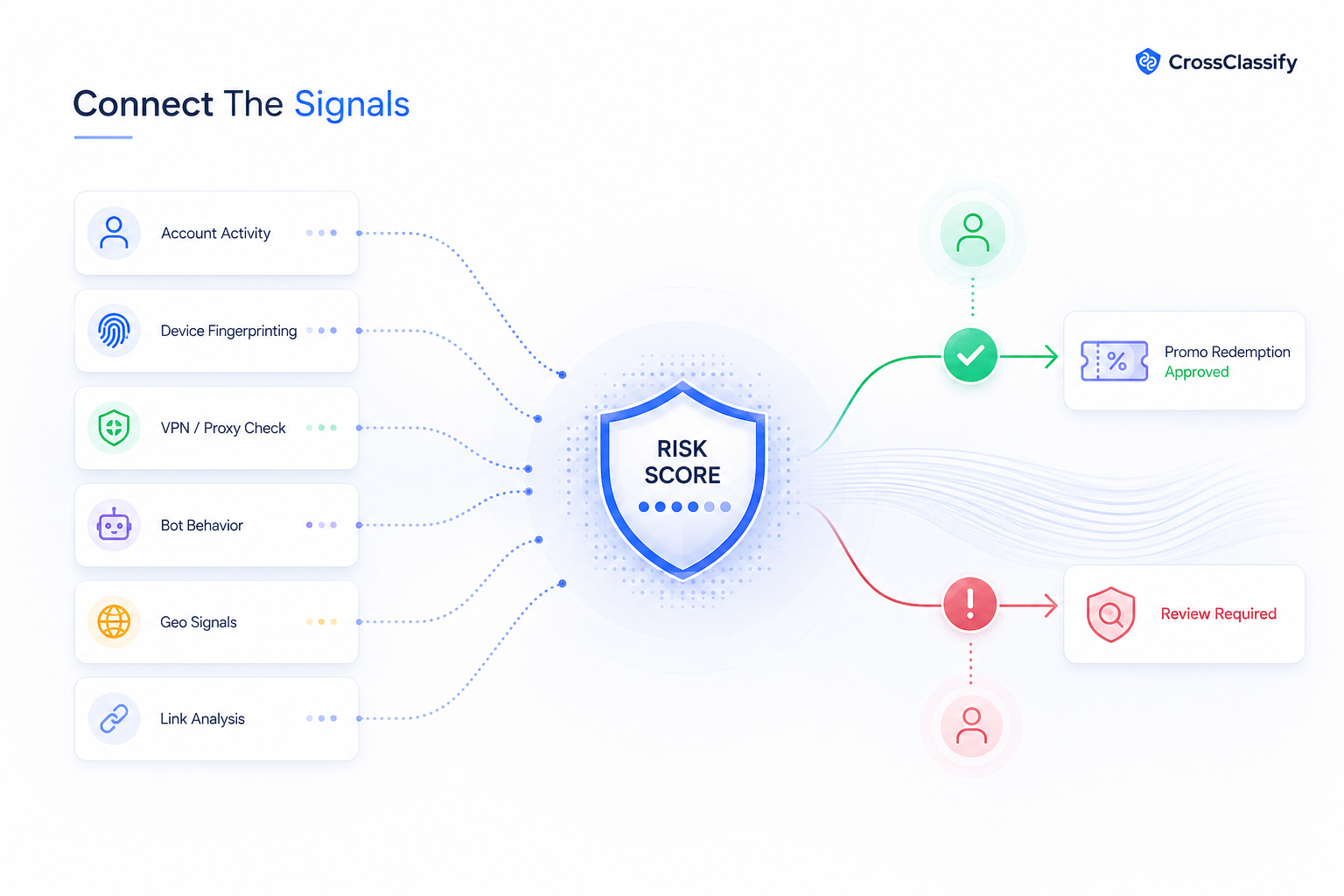
A better path adds fraud signals to promo decision making.
- Watch the claim journey
Teams should monitor signup, code entry, eligibility, redemption, order, refund, withdrawal, or transfer behavior. - Connect device and network signals
Repeated devices, proxies, VPNs, emulators, and suspicious environments should influence review priority. - Separate human and automated behavior
Bots can move quickly through forms and redemption flows. Behavior analysis helps detect patterns that static rules miss. - Tune by campaign
A code promoted to a broad audience should not use the same risk logic as a private loyalty offer.
Where CrossClassify Fits Naturally
CrossClassify can help teams detect promo code abuse by connecting device fingerprinting, bot detection, behavior analysis, geo signals, link analysis, alerts, and risk scoring.
When scripted traffic or automated signup behavior is part of the problem, bot attack detection can help teams separate human activity from high risk automation. This matters because many promo abuse patterns scale through scripts before manual review can react.
CrossClassify is not a coupon engine. It helps teams understand the risk behind users who claim, redeem, and reuse promotional value.
Practical Example
An ecommerce company launches a first purchase coupon. Orders rise, but many claims come from newly created accounts using VPNs and similar browser environments. Some orders later trigger refund requests.
Promo code abuse detection can help the business identify risky accounts earlier and protect future campaigns from repeated loss.
Conclusion
Promo codes should increase real demand, not reward repeated abuse.
Companies that connect coupon use with account, device, bot, behavior, and post redemption signals can protect margins while still offering promotions to genuine customers.
See How to Stop Bonus Abuse Before It Drains Your Growth Budget
CrossClassify detects suspicious reward claims before promotions turn into losses

Explore CrossClassify today
Detect and prevent fraud in real time
Protect your accounts with AI-driven security
Try CrossClassify for FREE—3 months
Share in
Related articles

Frequently asked questions
Let's Get Started
Create your free
account today
Discover how to secure your app against fraud using CrossClassify
No credit card required