Last Updated on 09 Jun 2026
AI Coding Agents for Business Leaders: Productivity, Security, and Software Risk
Share in
Introduction
AI coding agents are becoming one of the most visible examples of agentic AI.
They can read code, suggest changes, fix bugs, write tests, review pull requests, explain errors, update documentation, and help developers move faster. For founders, CTOs, product leaders, and engineering managers, the appeal is obvious.
But coding agents also touch one of the most sensitive parts of a company: the product codebase.
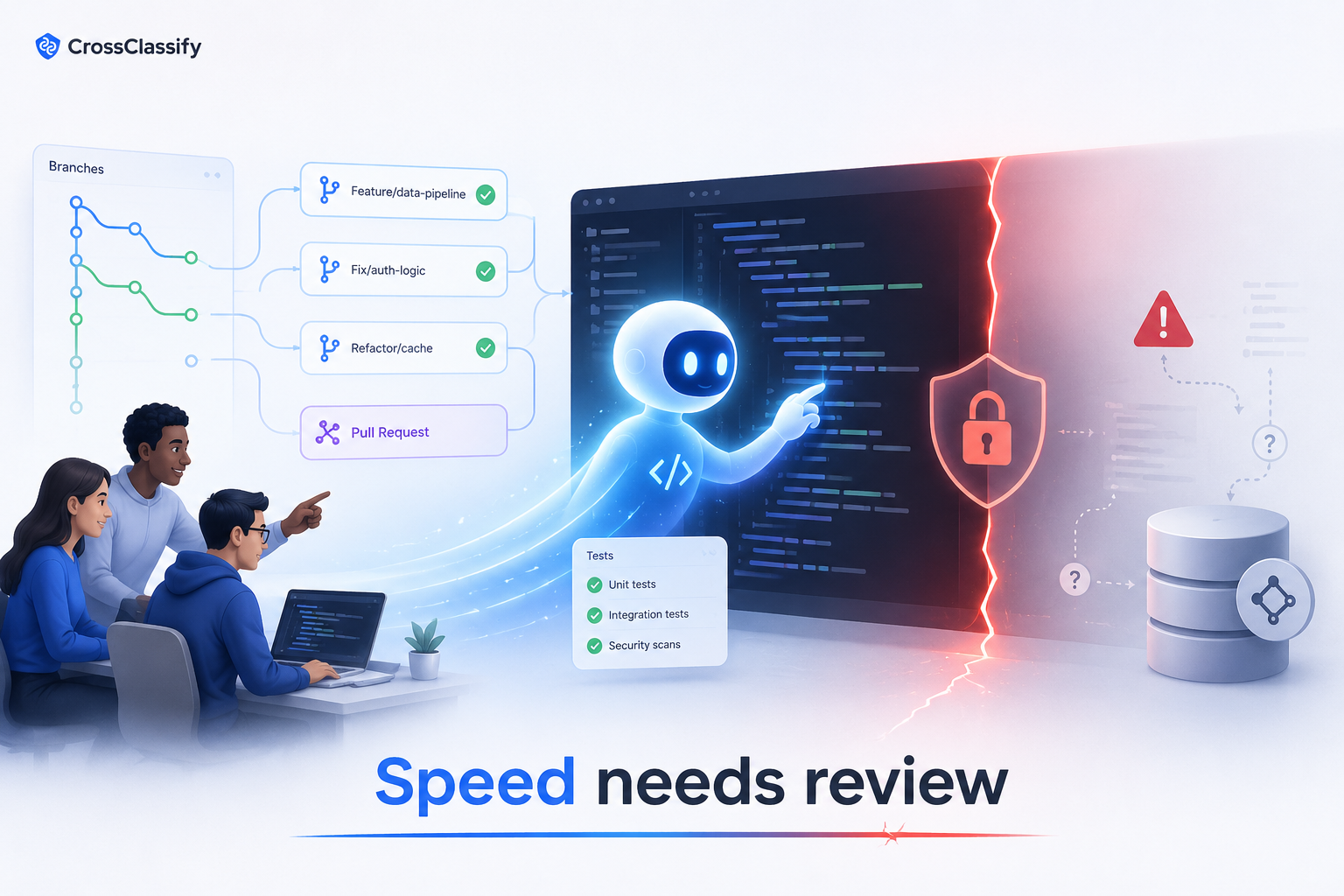
That means adoption cannot be only about speed. It must also be about access, review, security, and accountability.
Watch the Video Summary
You Merged the AI Code. What Changed Underneath?


Why coding agents matter
Software teams are always under pressure. They need to ship features, fix bugs, handle technical debt, respond to incidents, update dependencies, improve tests, and support product growth.
AI coding agents can reduce some of this burden.
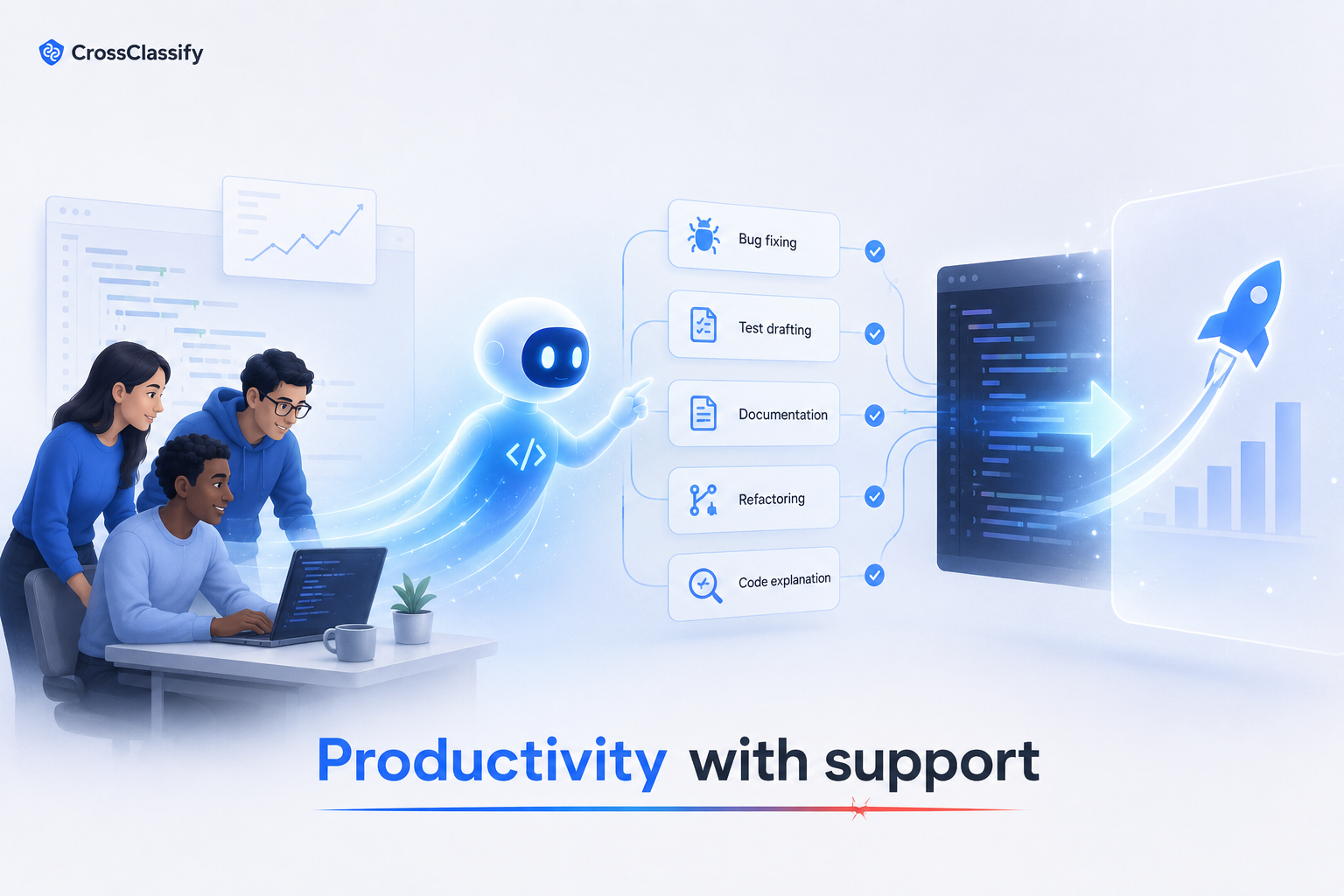
They can help junior developers understand unfamiliar code. They can help senior developers move faster through repetitive tasks. They can create test suggestions. They can summarize large changes. They can help with migrations and refactoring.
For business leaders, the value is not only faster coding. It is faster product learning and delivery.
Where the risk begins
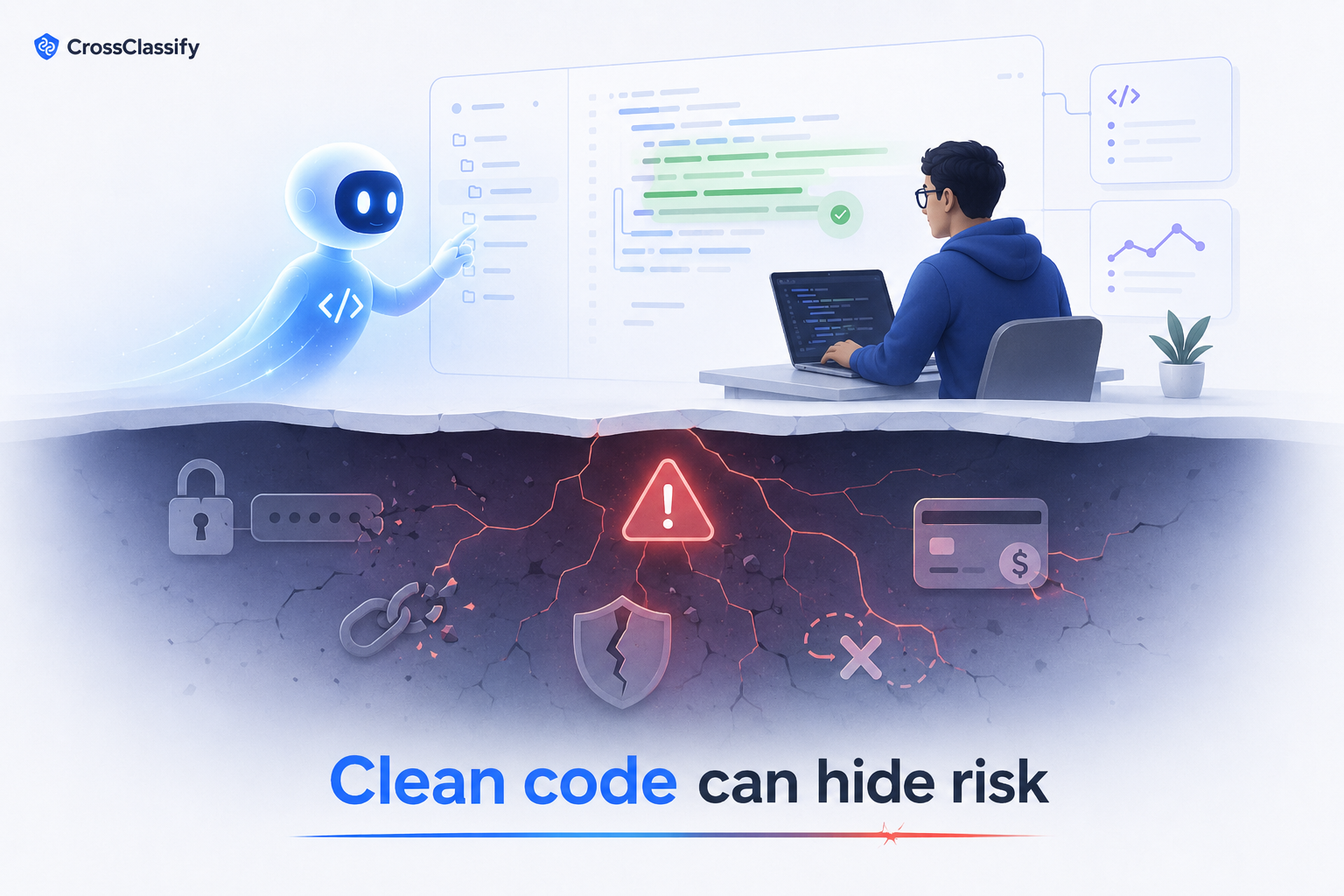
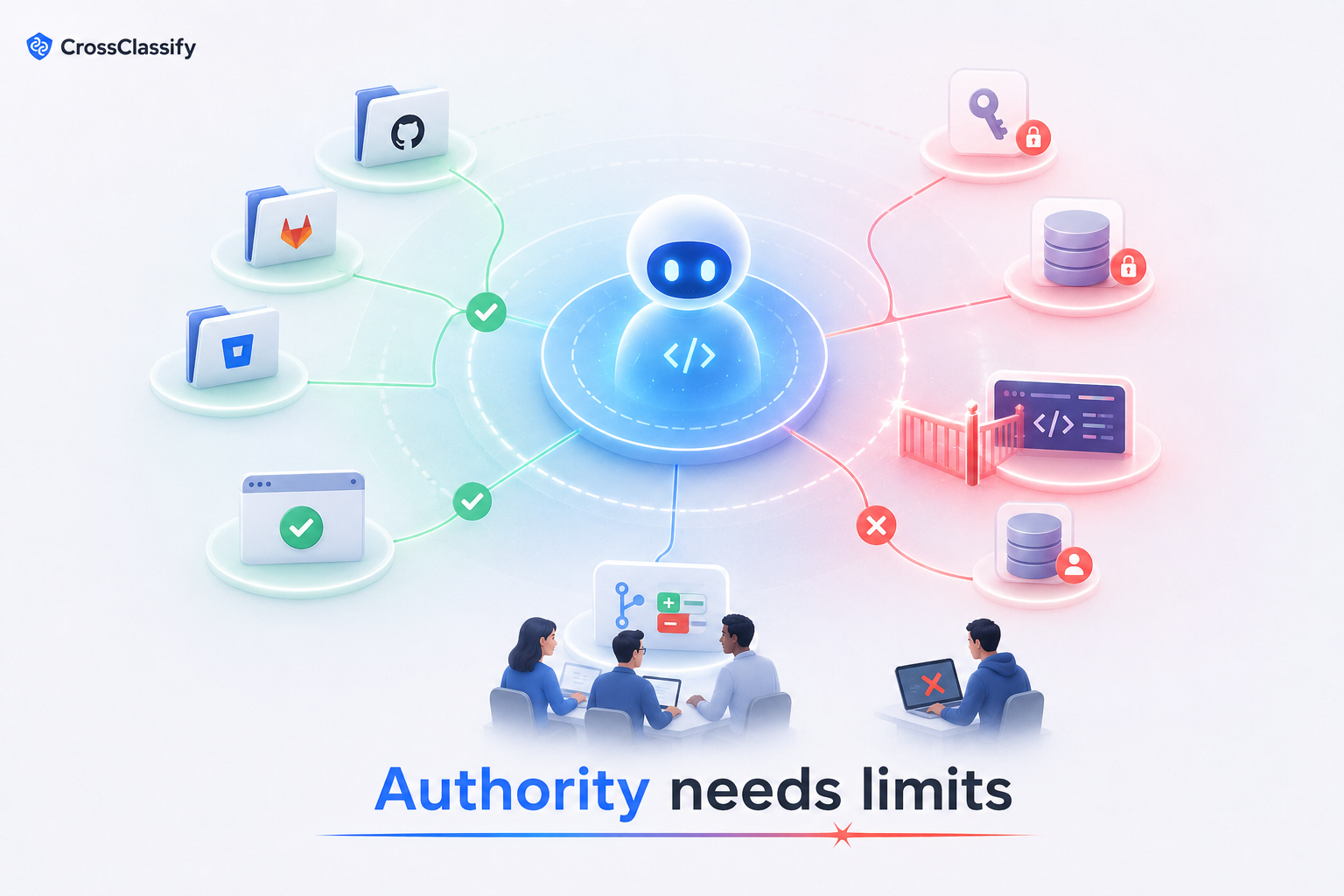
Risk begins when coding agents receive broad repository access or make changes that humans do not carefully review.
A coding agent may misunderstand business logic. It may write insecure code. It may remove important validation. It may expose secrets. It may introduce dependency risk. It may produce code that passes a simple test but fails in edge cases.
This does not mean coding agents are bad. It means they should be treated like powerful junior contributors with fast output and imperfect judgment.
What leaders should control
Leaders should ask practical questions.
- Which repositories can the agent access?
- Can it read secrets?
- Can it modify production code?
- Can it open pull requests?
- Can it run tests?
- Can it approve its own work?
- Can it access customer data?
- Can it make changes to authentication, payments, security, or fraud logic?
The safest answer is not always “no.” The safest answer is “only within clear boundaries.”
What usually goes wrong
Companies often start with enthusiasm and skip review discipline.
They accept code because it looks clean. They assume tests are enough. They let agents touch sensitive areas before teams understand failure patterns. They forget that an agent can make confident mistakes.
Sensitive code areas need extra care. Authentication, account recovery, billing, payments, fraud detection, authorization, customer data handling, and logging should not be changed by an agent without strong review.
Safer adoption path
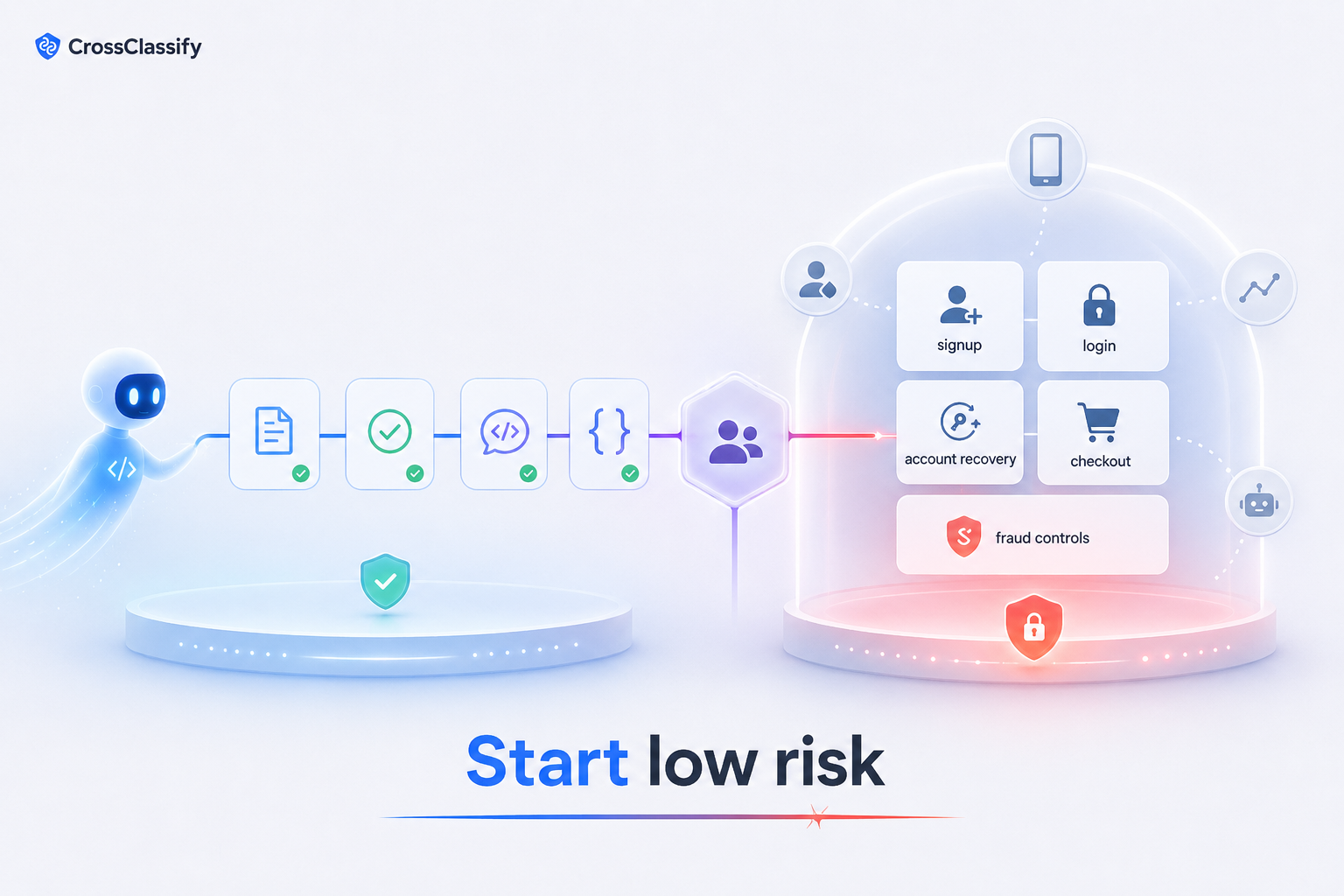
Start with low risk coding tasks.
Use agents for documentation, test generation, code explanation, refactoring suggestions, non sensitive bug fixes, and local prototypes.
Then move to pull request preparation with human review.
Avoid autonomous changes to production systems until the team has strong test coverage, code review practices, secrets management, security scanning, and rollback processes.
For product areas involving customer accounts, fraud, identity, payments, or sensitive data, require senior review.
Where CrossClassify fits
CrossClassify does not secure coding agents directly. The connection is product trust.
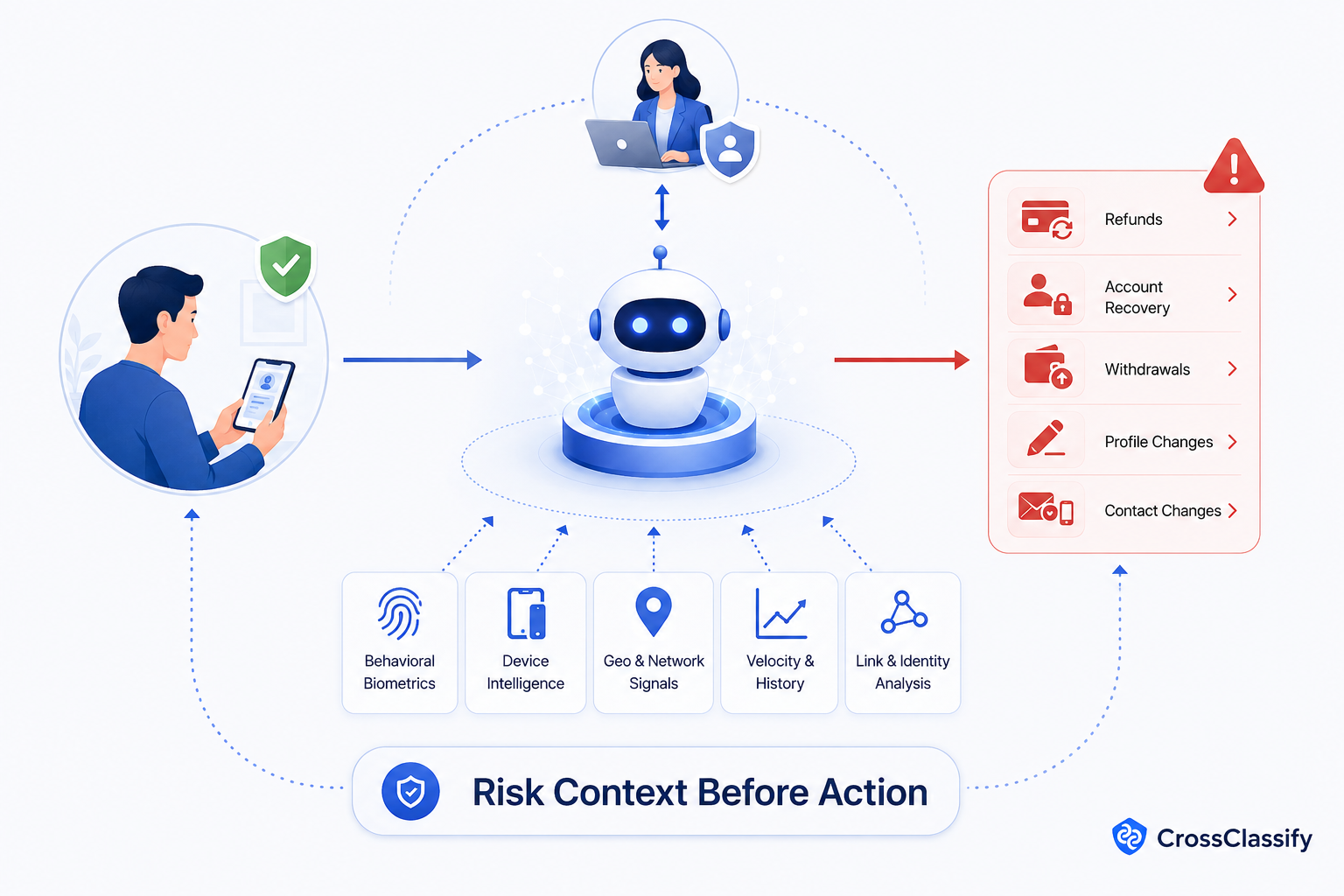
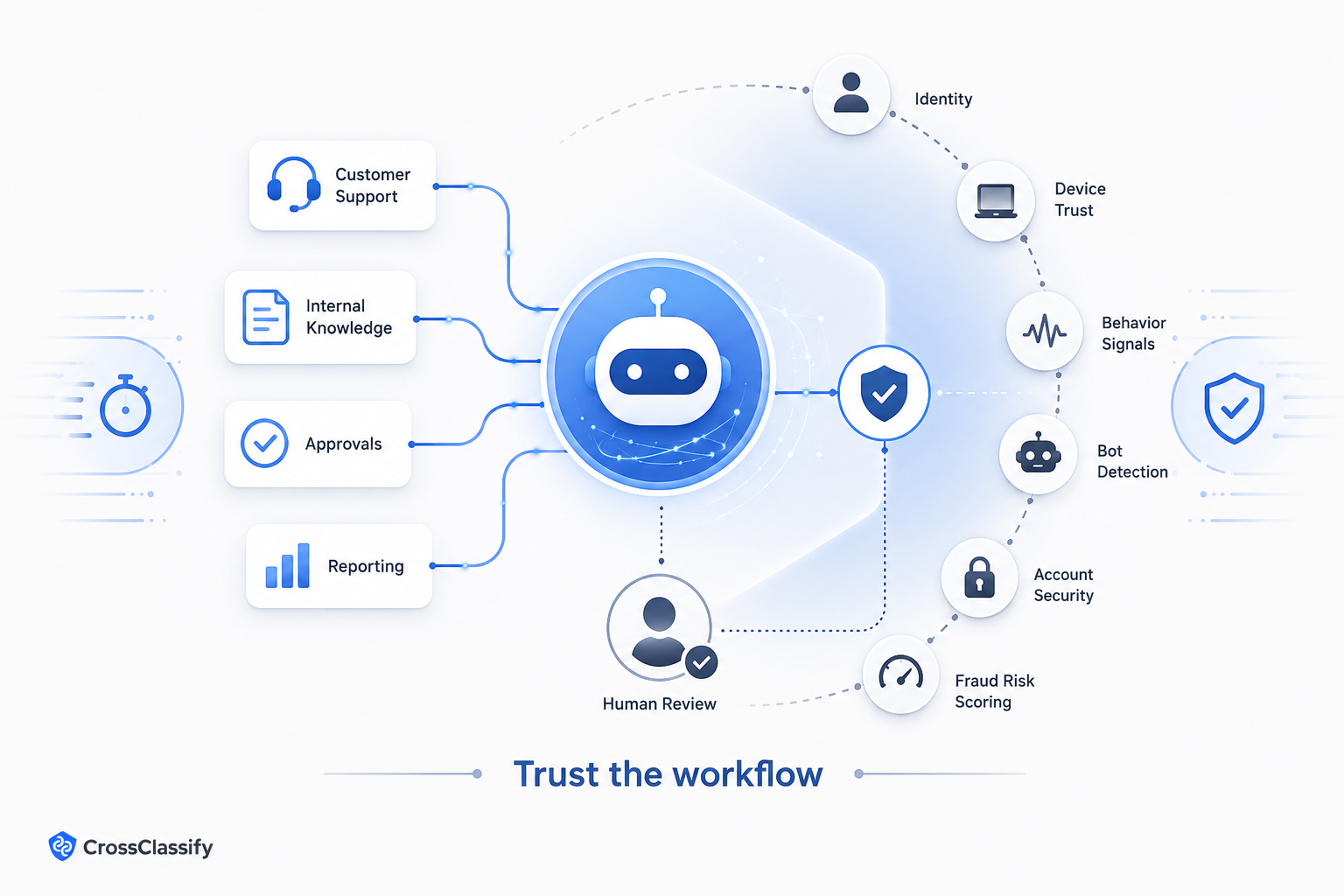
If a company uses coding agents to modify customer facing applications, the product still needs fraud prevention, account takeover protection, bot detection, device intelligence, and behavioral monitoring.
For example, if a coding agent helps change signup, login, checkout, or account recovery flows, teams should be careful not to weaken the controls that detect fake accounts, bots, suspicious devices, or abnormal behavior.
Account opening fraud protection can support platforms that need to detect fake account creation and suspicious signup behavior. This matters because faster software delivery should not make account abuse easier.
Conclusion
AI coding agents can help software teams move faster, but they should not remove engineering judgment.
The best adoption model is practical: use coding agents for acceleration, require review for sensitive changes, monitor code quality, protect secrets, and avoid giving agents unchecked authority.
For business leaders, the goal is not to replace engineering discipline. It is to make engineering discipline more productive.
See How CrossClassify Secures the New AI Agent Attack Surface
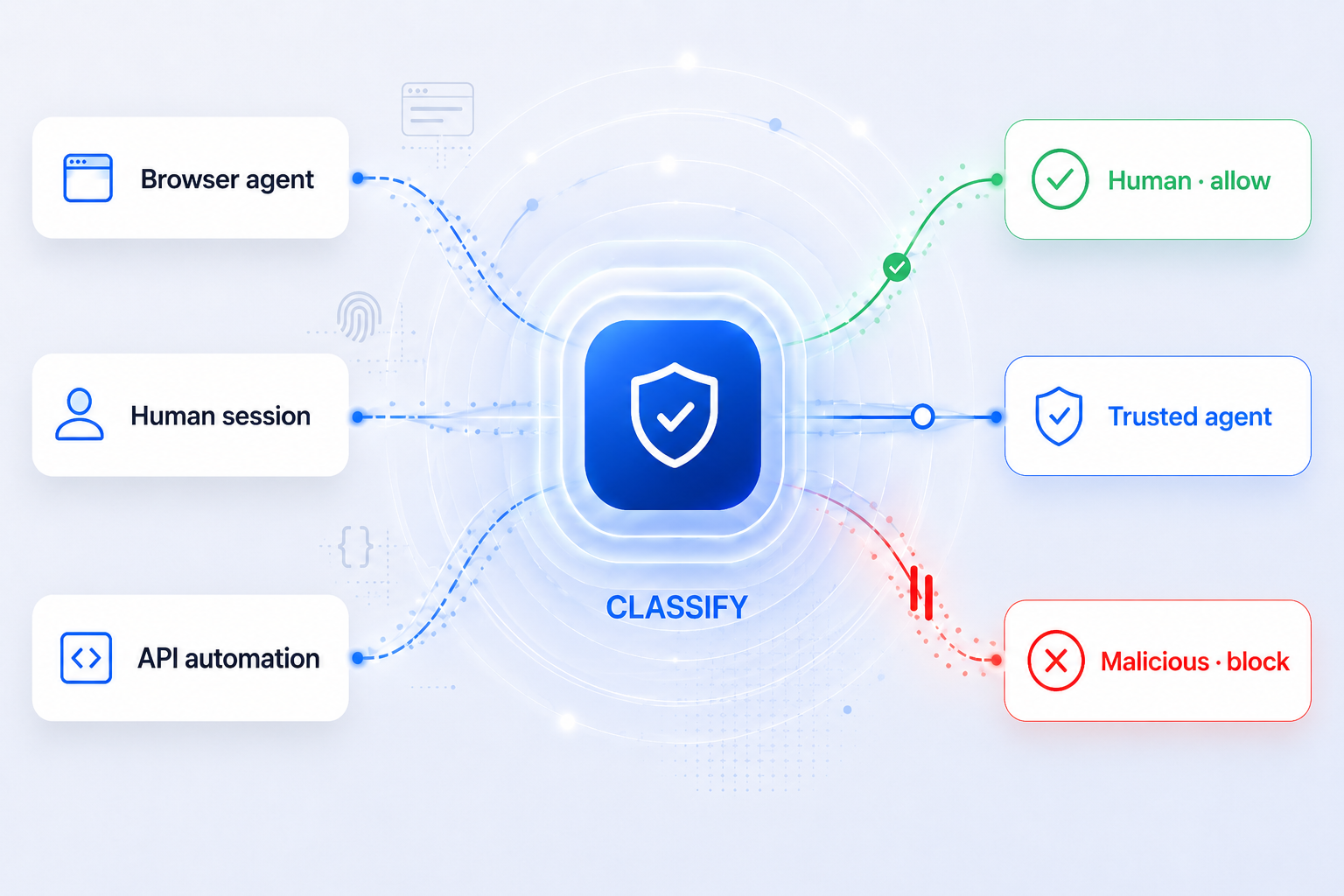
Classify human sessions, trusted agents, and malicious automation before requests turn into risk
Explore CrossClassify today
Detect and prevent fraud in real time
Protect your accounts with AI-driven security
Try CrossClassify for FREE—3 months
Share in
Related articles
Frequently asked questions
Let's Get Started
Create your free
account today
Discover how to secure your app against fraud using CrossClassify
No credit card required