Last Updated on 28 May 2026
AI Agents and Cybersecurity: How to Reduce Fraud, Bot, and Identity Risk
Share in
Introduction
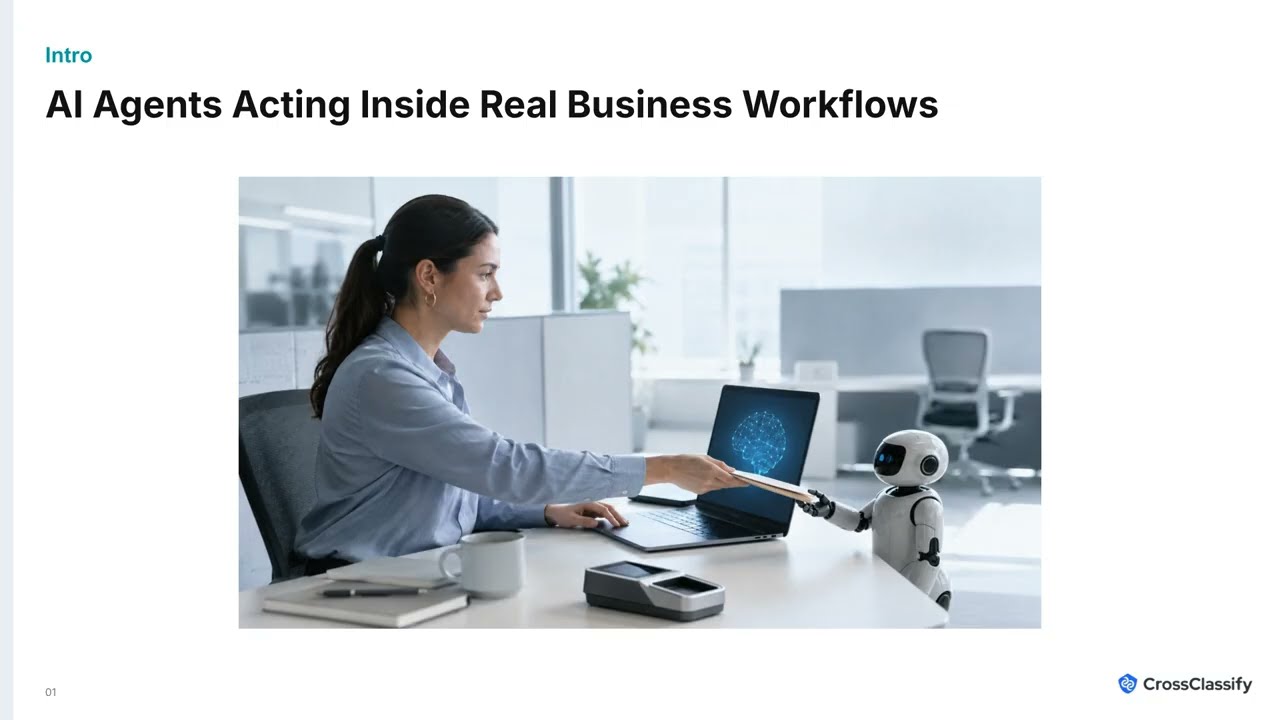
AI agents are usually introduced as a productivity story.
They can answer customers, summarize documents, route tasks, prepare reports, and support operations.
But once AI agents touch real workflows, they become part of the company's cybersecurity and fraud risk environment.
That does not mean AI agents should be avoided. It means leaders need a better model.
AI agents create value by acting on context. Cybersecurity risk appears when the context includes sensitive data, user accounts, customer journeys, internal systems, payment actions, identity decisions, or business approvals.
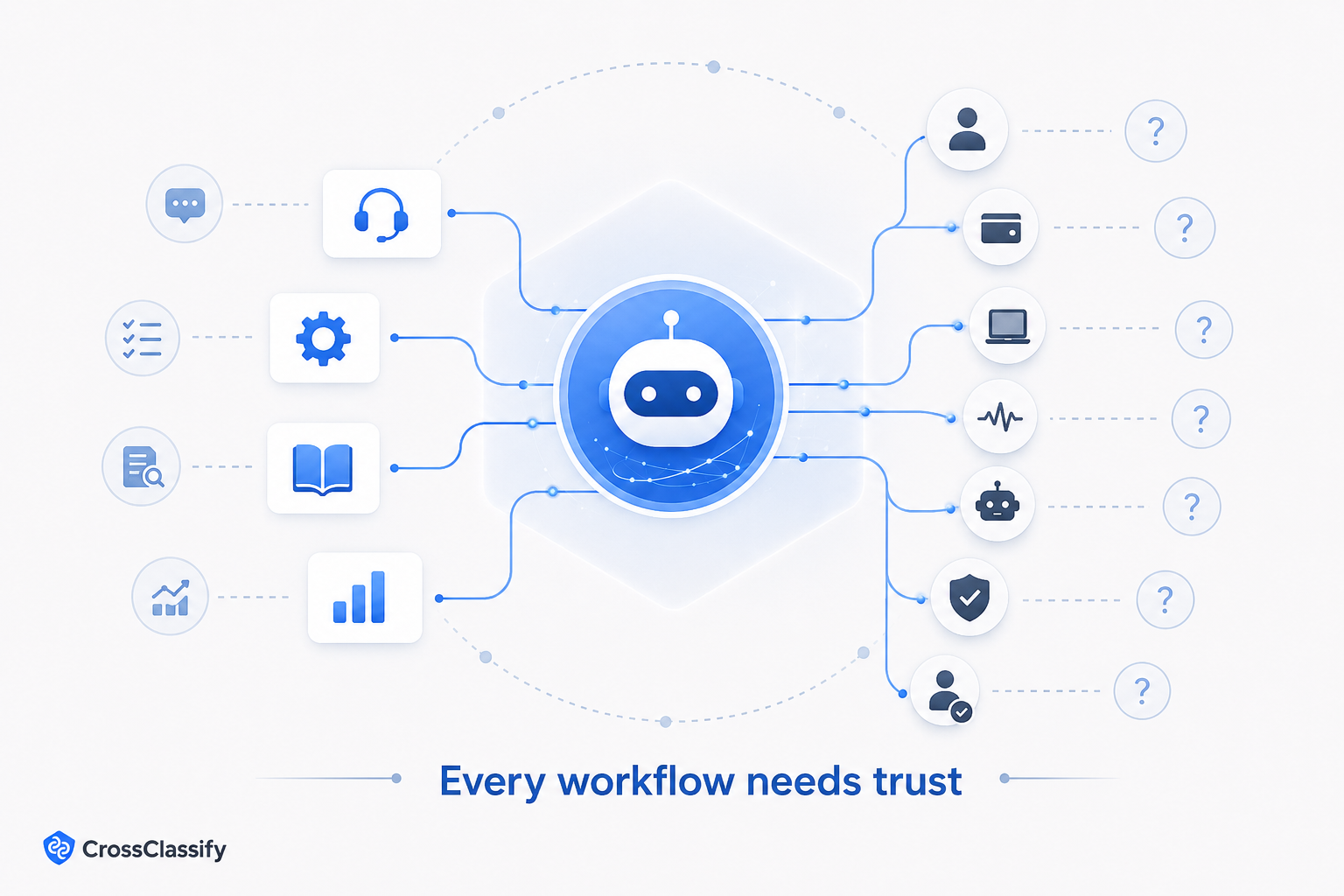
The question is not only "Can the agent do the work?"
The question is "Can we trust the workflow around the agent?"
Watch the Video Summary
AI Agents and Cybersecurity How to Reduce Fraud, Bot, and Identity Risk

Why AI Agents Matter Now for Cybersecurity and Fraud Teams
AI agents matter to security and fraud teams because they change how work is initiated, supported, and accelerated.
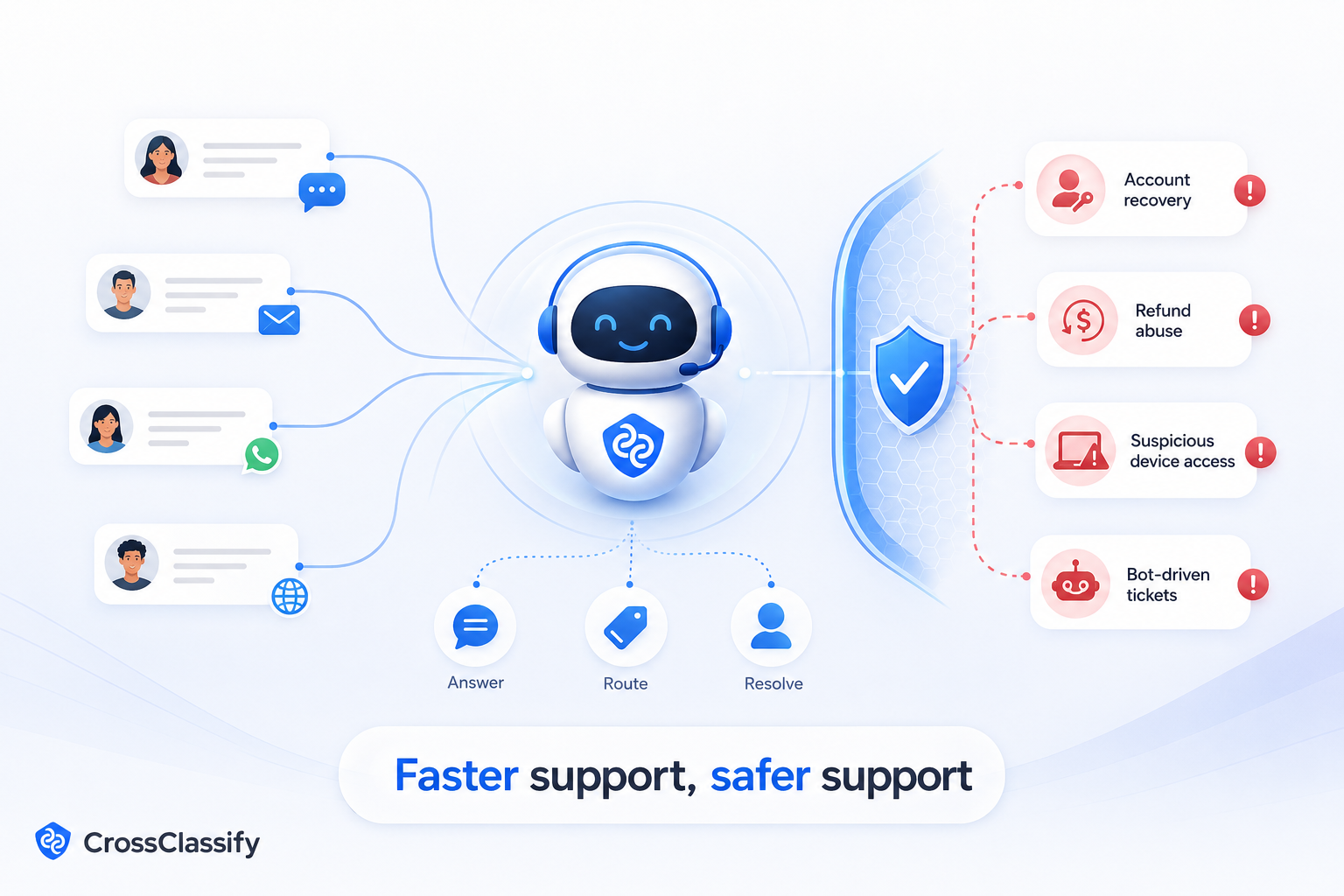
- A support agent may help with account recovery.
- An operations agent may route a high value exception.
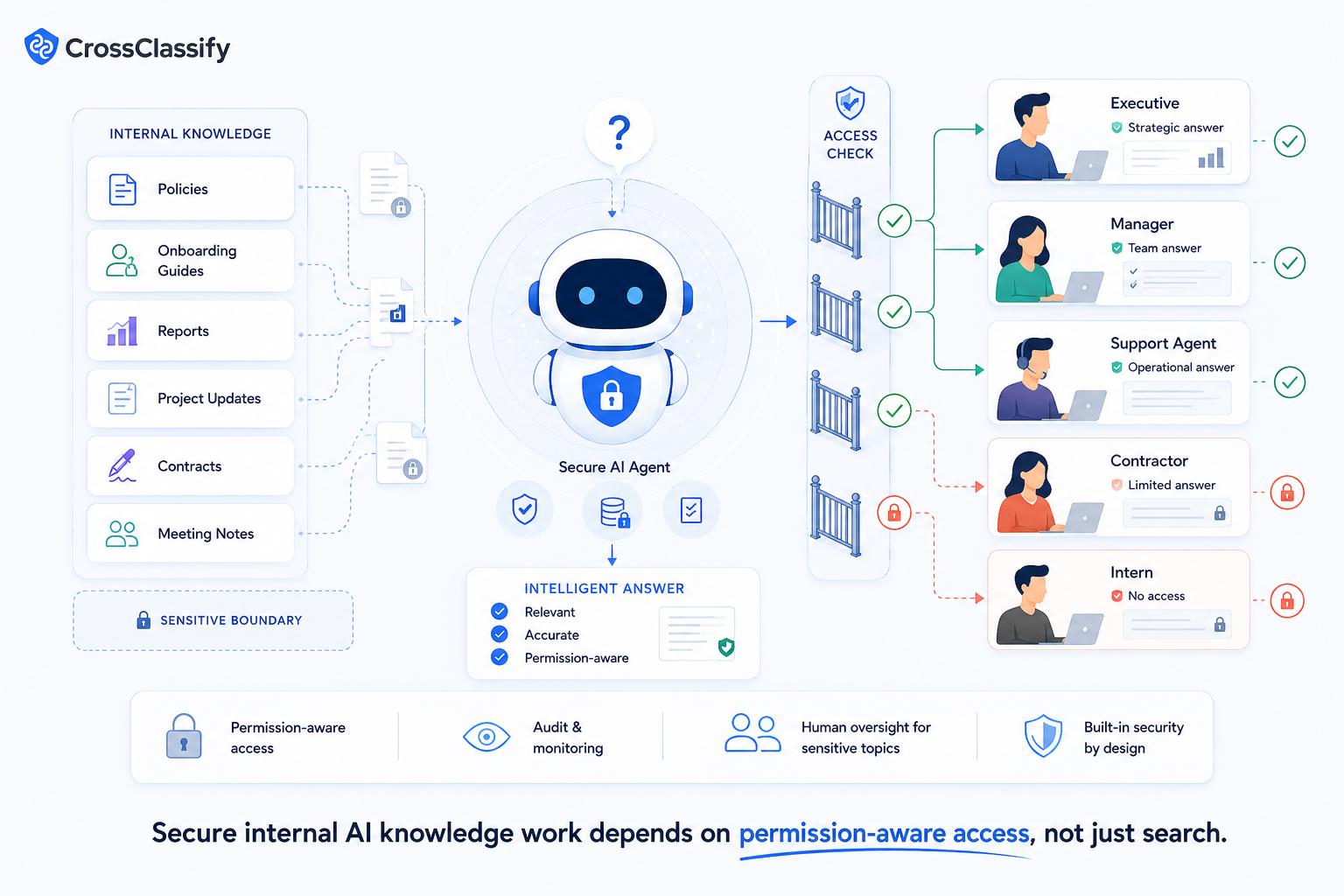
- A knowledge agent may summarize sensitive internal information.
- A reporting agent may consolidate fraud alerts.
- A customer service agent may recommend a refund.
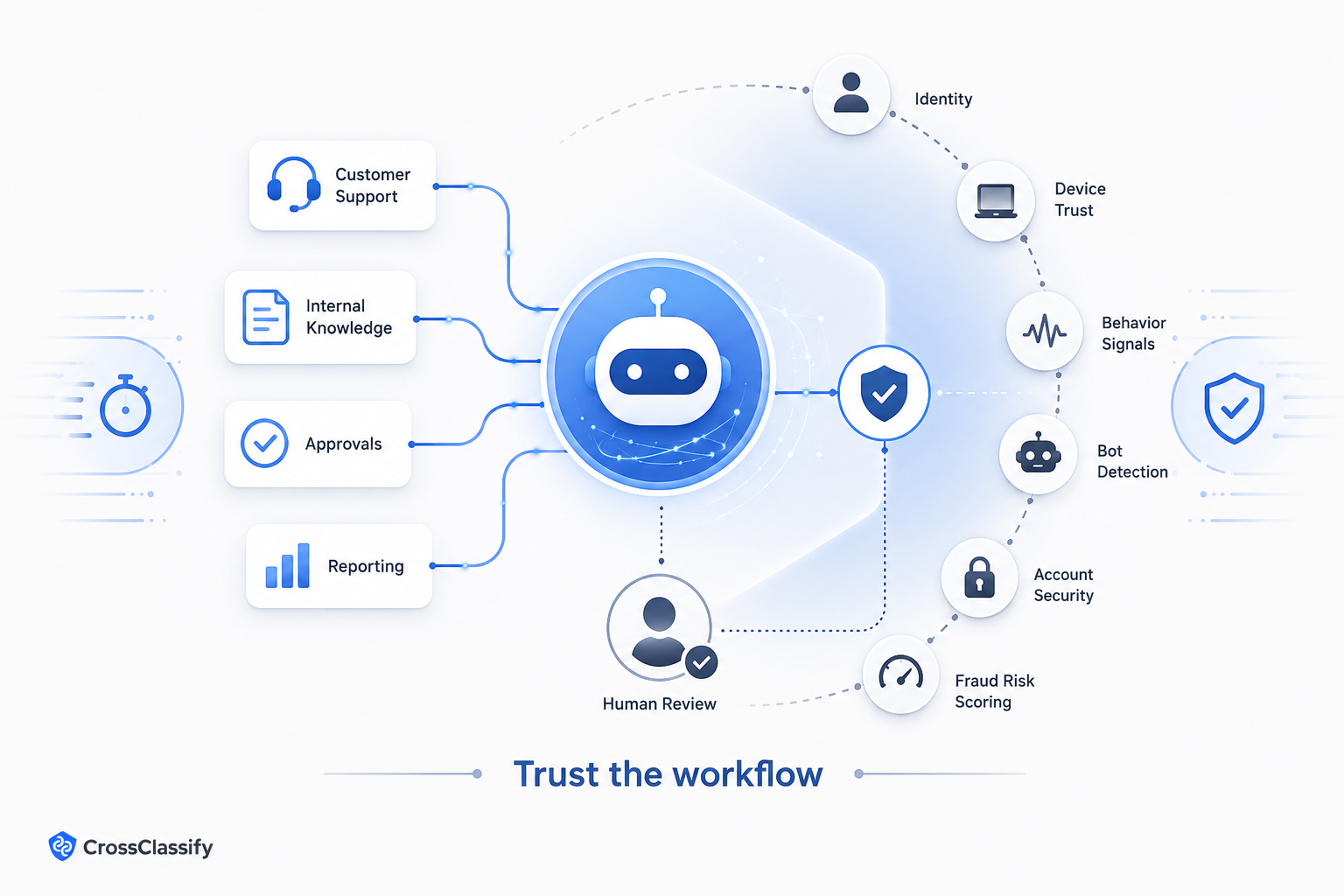
Each workflow creates a trust question.
- Who is asking?
- What account is involved?
- What device is being used?
- Does the behavior match normal patterns?
- Is this request part of a bot driven sequence?
- Is the action sensitive enough to require review?
This is why AI agents and cybersecurity should not be treated as separate conversations.
Security agencies advise that AI security should be managed within established cybersecurity frameworks rather than treated as a separate discipline. The same guidance notes that agentic AI can amplify conventional cyber risks because of autonomy and complexity.
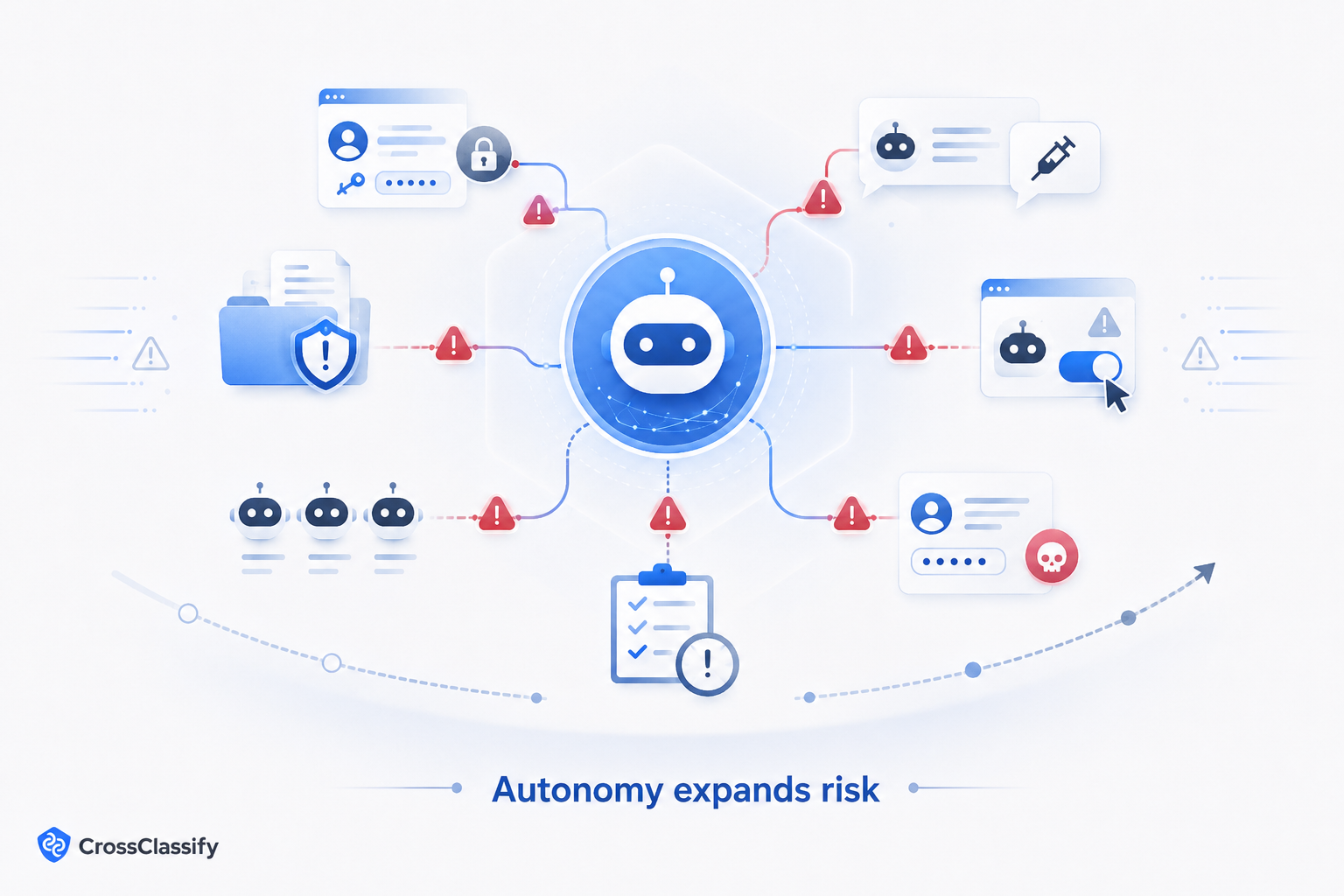
The Main AI Agent Security Risks for Business Leaders
Excessive access
If an AI agent has broad access to sensitive data or systems, a mistake or manipulation can become serious quickly.
Prompt manipulation
Attackers may attempt to influence how an agent behaves through crafted messages or hidden instructions.
Sensitive information disclosure
The agent may reveal information that should remain private.
Unsafe actions
An agent may take an action that should have required review, especially when permissions are too broad.
Bot driven abuse
Automated actors may probe AI enabled workflows to identify weak paths into refunds, accounts, promotions, or support actions.
Account takeover
If attackers control a legitimate account, an AI enabled workflow may treat the request as trustworthy unless behavior, device, and risk signals are checked.
Poor accountability
If teams cannot trace what the agent saw, recommended, and triggered, investigations become harder.
OWASP's LLM risk categories include prompt injection, sensitive information disclosure, insecure plugin design, excessive agency, and overreliance. These are not abstract technical issues. In business workflows, they can translate into manipulated decisions, exposed information, unsafe automation, and misplaced trust. (OWASP)
AI Agents and Fraud Risk
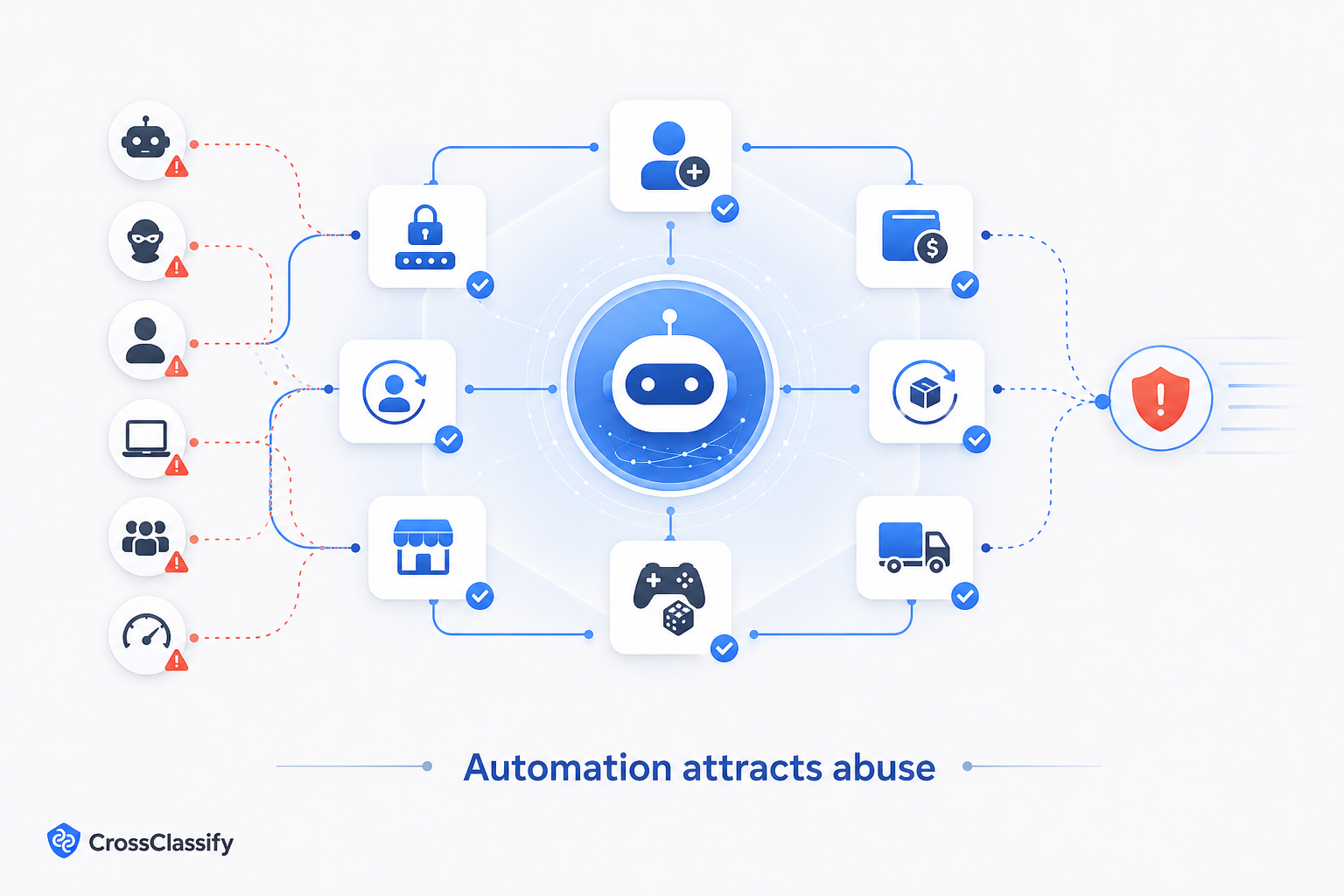
Fraud risk appears wherever automation touches a valuable outcome.
Account creation
Attackers may create fake accounts at scale to exploit promotions, onboarding flows, or platform access.
Login and account recovery
Attackers may attempt account takeover, then use AI assisted workflows to request changes or bypass support checks.
Payments and withdrawals
Fraudsters may exploit automated workflows around high value transactions.
Refunds and returns
AI assisted support can be manipulated if refund abuse signals are not monitored.
Marketplace behavior
Fake sellers, fake buyers, collusive accounts, and bot activity can exploit automated service flows.
Gaming and betting
Bonus abuse, multi accounting, bots, and suspicious withdrawal behavior can hide behind normal user journeys.
Freight and logistics
Fake carrier activity, shipment rerouting, and suspicious pickup changes can become more difficult to detect if workflows move too quickly.
AI agents can support fraud teams too. They can summarize alerts, prepare case notes, route suspicious activity, and help analysts review patterns. But they should not replace fraud controls around identity, behavior, device, bot, and account risk.
What Usually Goes Wrong When AI Agents and Security Are Separated
Security is invited too late
By the time security teams review the workflow, the agent may already be connected to sensitive data or actions.
Fraud teams are not included
AI adoption is often led by product, support, or operations. Fraud teams may not see the workflow until abuse appears.
Identity context is missing
The agent may understand the request, but not the risk of the user behind it.
Device context is missing
Suspicious devices, repeated access patterns, and shared device clusters may not be visible to the AI workflow.
Bot activity is treated as normal demand
If automated actors interact with AI enabled workflows, the company may mistake abuse for customer activity.
Logs focus on the agent, not the journey
Companies may track AI prompts and answers, but miss the surrounding account behavior, session history, device pattern, and fraud signals.
A Better Security Model for AI Agent Adoption
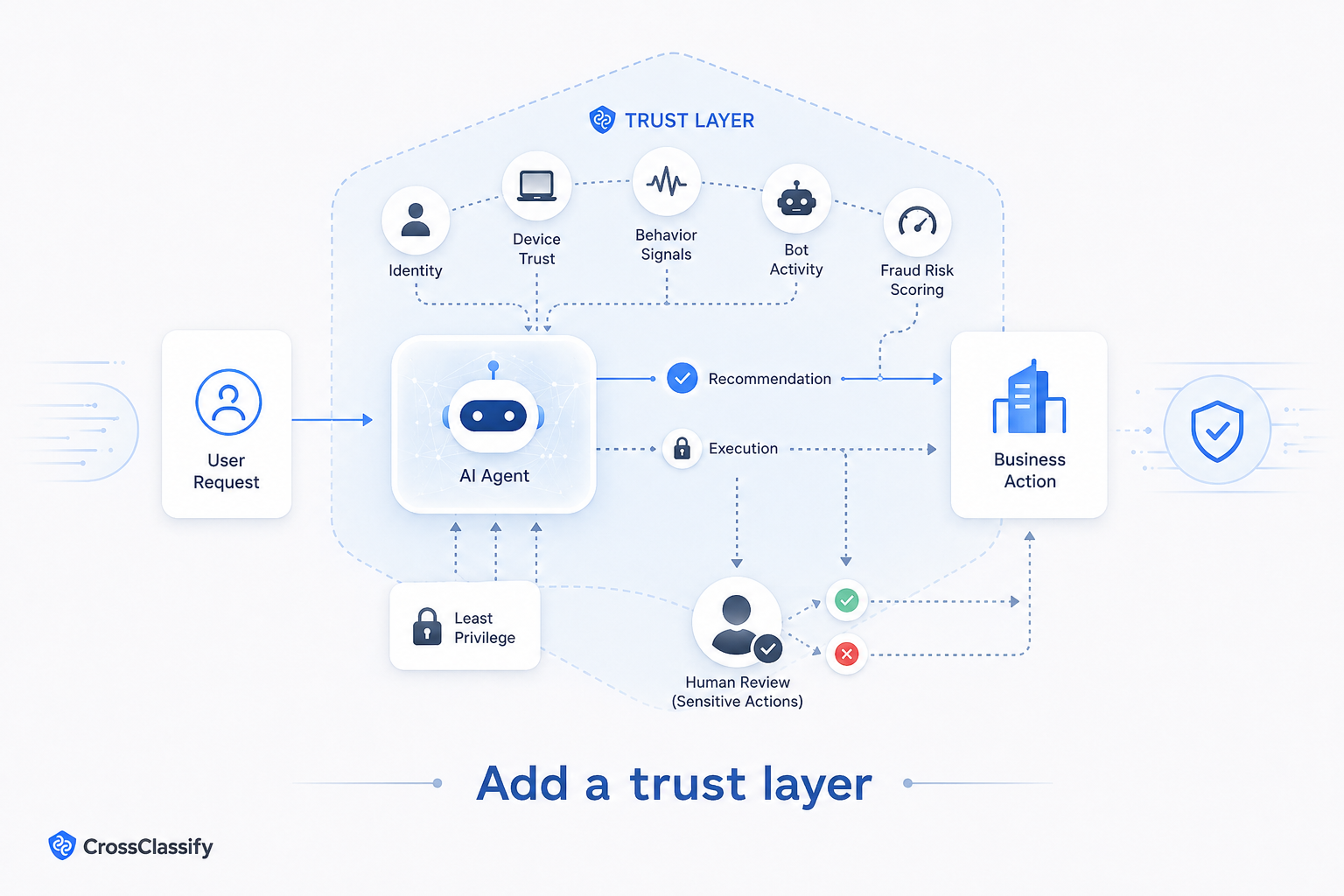
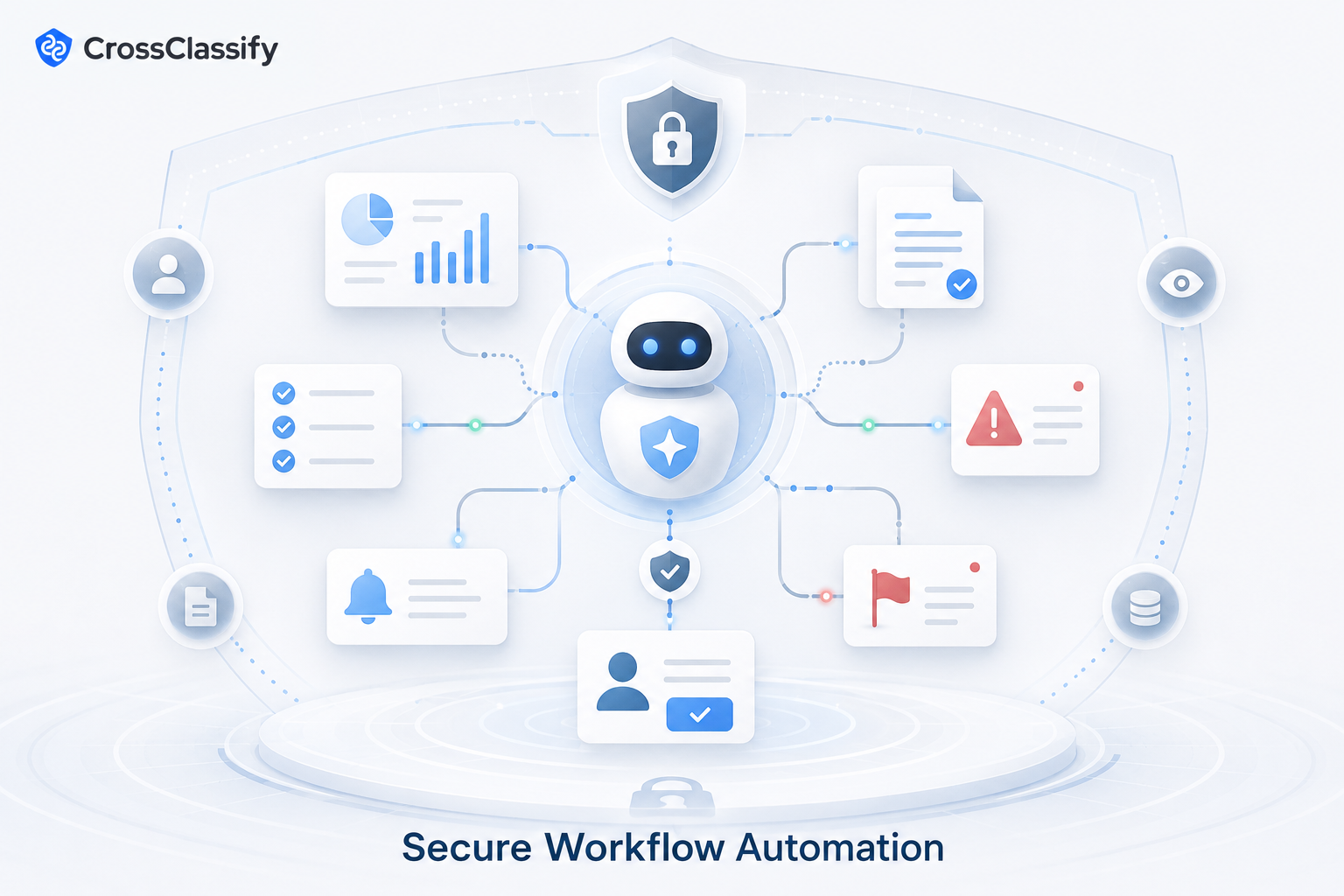
Treat AI agents as part of the business workflow
Do not review the agent alone. Review the full journey, including the user, account, data, action, approval, and outcome.
Use least privilege
Give the agent only the access required for the workflow. Security guidance on agentic AI emphasizes least privilege because privileges determine the level of risk agents can introduce.
Separate recommendation from execution
Let agents draft, summarize, classify, and recommend before allowing them to trigger sensitive actions.
Add risk based review
High value, unusual, identity sensitive, or suspicious requests should require human review.
Monitor behavior and devices
Watch for abnormal behavior, suspicious devices, bot patterns, account linking, and unusual session activity.
Connect AI governance to fraud prevention
AI governance should not only cover model quality. It should cover abuse cases, identity risk, customer trust, and operational misuse.
Where CrossClassify Fits Naturally
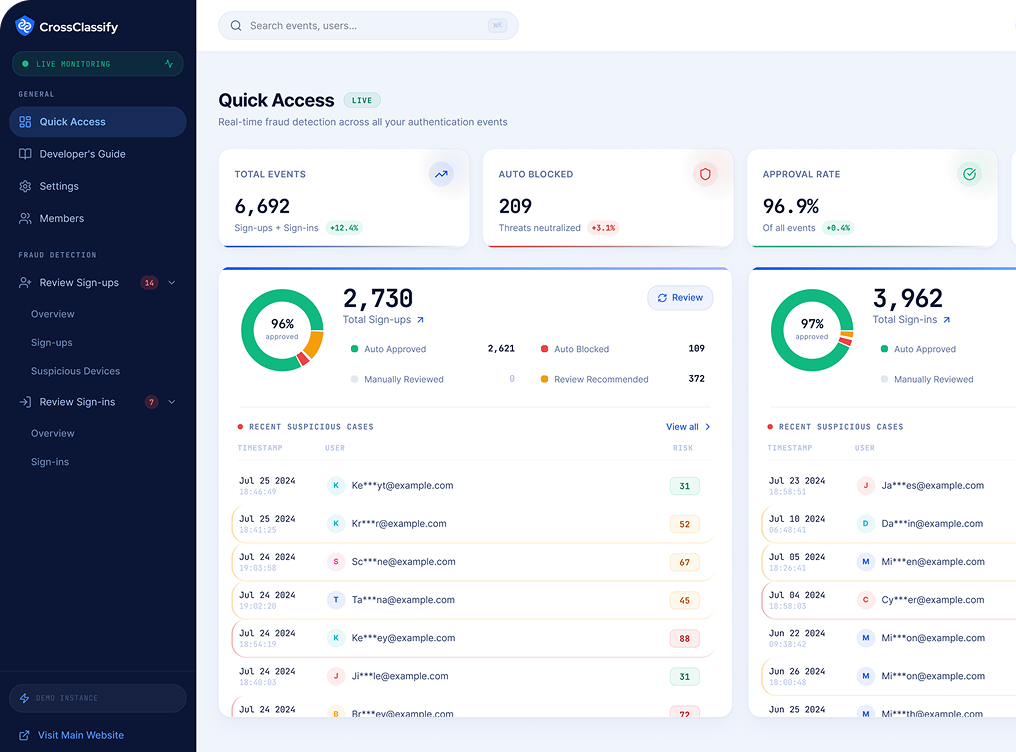
CrossClassify fits as a fraud prevention and digital trust layer around AI enabled business workflows.
It is not an AI agent platform. It does not need to be positioned as one.
Its value is in helping companies understand risk signals around users, accounts, devices, sessions, and behavior. That context becomes more important when AI agents help move work faster.
For example, if an AI agent supports account recovery, CrossClassify can help risk teams evaluate whether the request is associated with abnormal behavior, suspicious devices, account takeover patterns, or bot activity. The account takeover protection solution is relevant when AI enabled support or account workflows need stronger trust signals. This helps companies avoid turning faster service into faster compromise.
If automated traffic targets signup, login, support, or promotional workflows, CrossClassify's bot attack detection can support detection of bot driven abuse. This matters because AI agents may increase the speed of response, but bot detection helps reduce the chance that attackers exploit that speed.
For broader digital journeys, CrossClassify's behavioral biometrics and device fingerprinting capabilities help companies monitor suspicious behavior and device risk in ways that complement secure AI adoption.
Conclusion
AI agents can help companies work faster. Cybersecurity decides whether they can work safely.
The best companies will not treat AI agents as isolated tools. They will treat them as part of customer journeys, internal workflows, and operational decisions.
That means secure AI agent adoption must include identity security, fraud prevention, bot detection, account takeover protection, device intelligence, behavioral monitoring, and risk scoring.
AI agents create leverage. Digital trust protects that leverage.
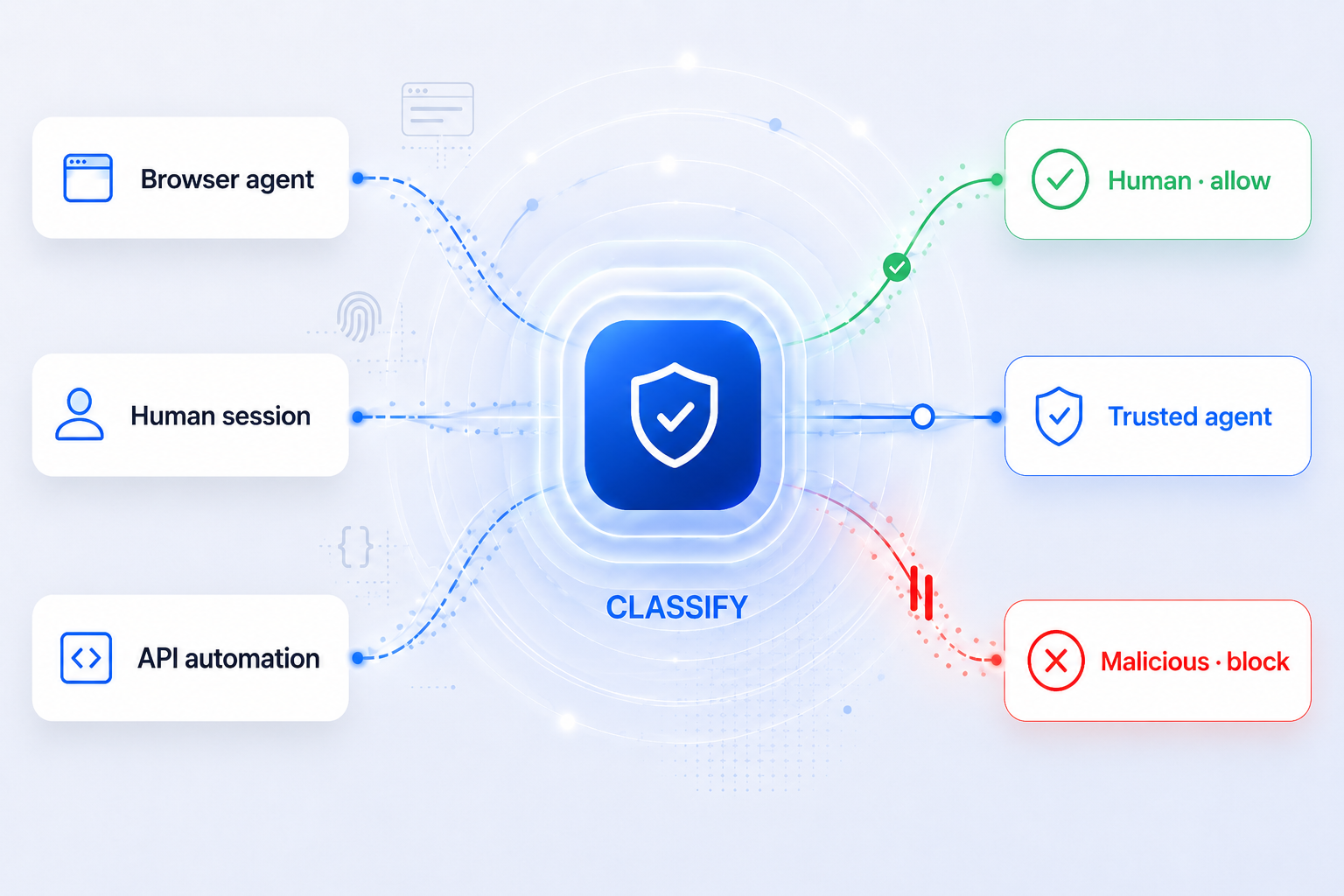
See How CrossClassify Secures the New AI Agent Attack Surface
Classify human sessions, trusted agents, and malicious automation before requests turn into risk
Explore CrossClassify today
Detect and prevent fraud in real time
Protect your accounts with AI-driven security
Try CrossClassify for FREE—3 months
Share in
Related articles
Frequently asked questions
Let's Get Started
Create your free
account today
Discover how to secure your app against fraud using CrossClassify
No credit card required