Last Updated on 25 May 2026
AI Agents for Operations: Practical Workflows That Stay Secure
Share in
Introduction
Operations teams are where AI agents can become genuinely useful.
Every company has repetitive operational work: routing tasks, chasing missing information, preparing reports, checking status, summarizing updates, reviewing exceptions, and coordinating between teams.
These workflows are rarely glamorous. But they consume time every week.
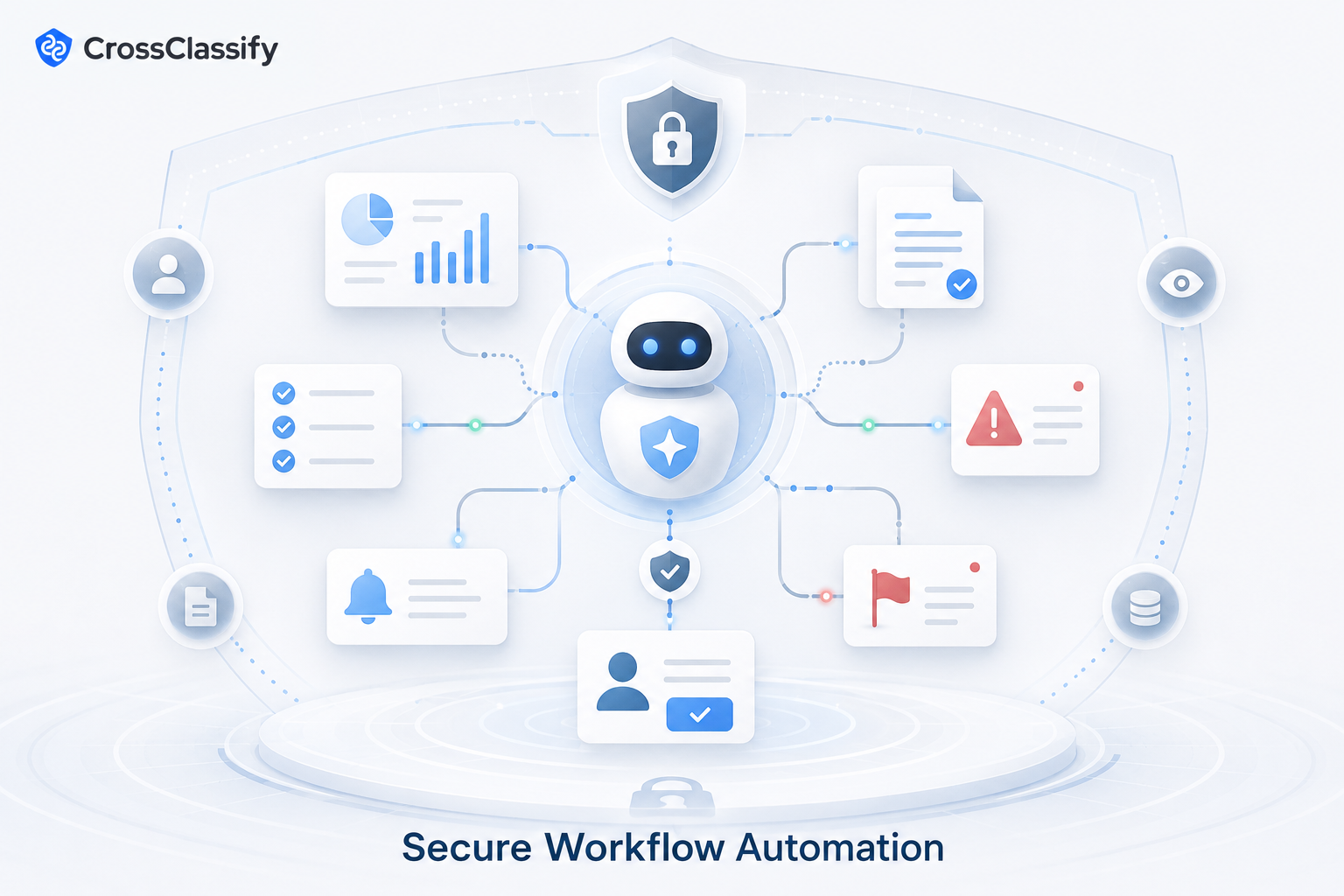
AI agents for operations can help companies move from manual coordination to AI assisted execution. They can reduce admin load, make information easier to act on, and help managers see issues earlier.
The risk is that operations workflows often touch real systems, real customers, real money, real approvals, and real business consequences.
That means secure workflow design matters.
Watch the Video Summary
AI Agents for Operations Practical Workflows That Stay Secure

Why AI Agents Matter Now for Operations
Operations work is full of small decisions.
- Who owns this task?
- What information is missing?
- Is this request urgent?
- Does this exception need review?
- Which customer is affected?
- What changed since last week?
- Should this be escalated?
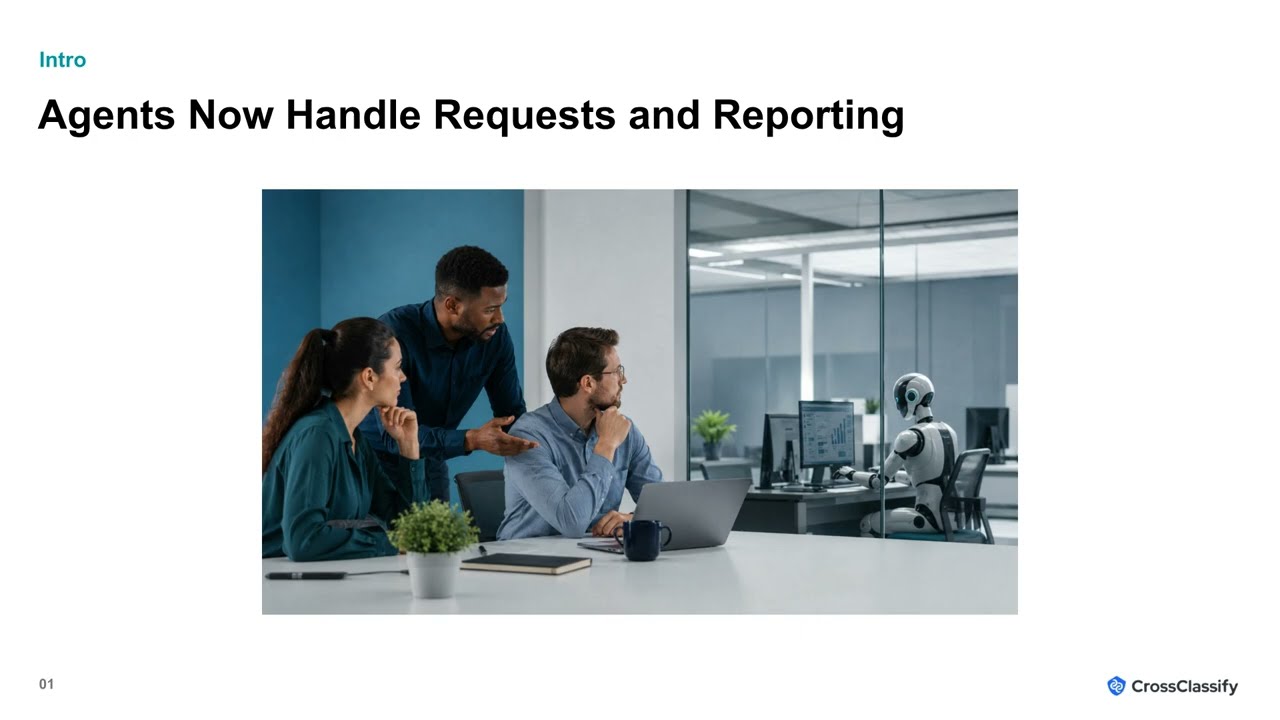
AI agents are useful because they can help with these multi step workflows.
They do not have to replace employees. They can reduce the amount of manual checking, copying, summarizing, and follow up that slows people down.
Security guidance on agentic AI highlights that agents can automate repetitive, well defined, low risk tasks, but also warns that agentic AI can be misused or misappropriated, creating risks such as productivity loss, service disruption, privacy breaches, or cybersecurity incidents.
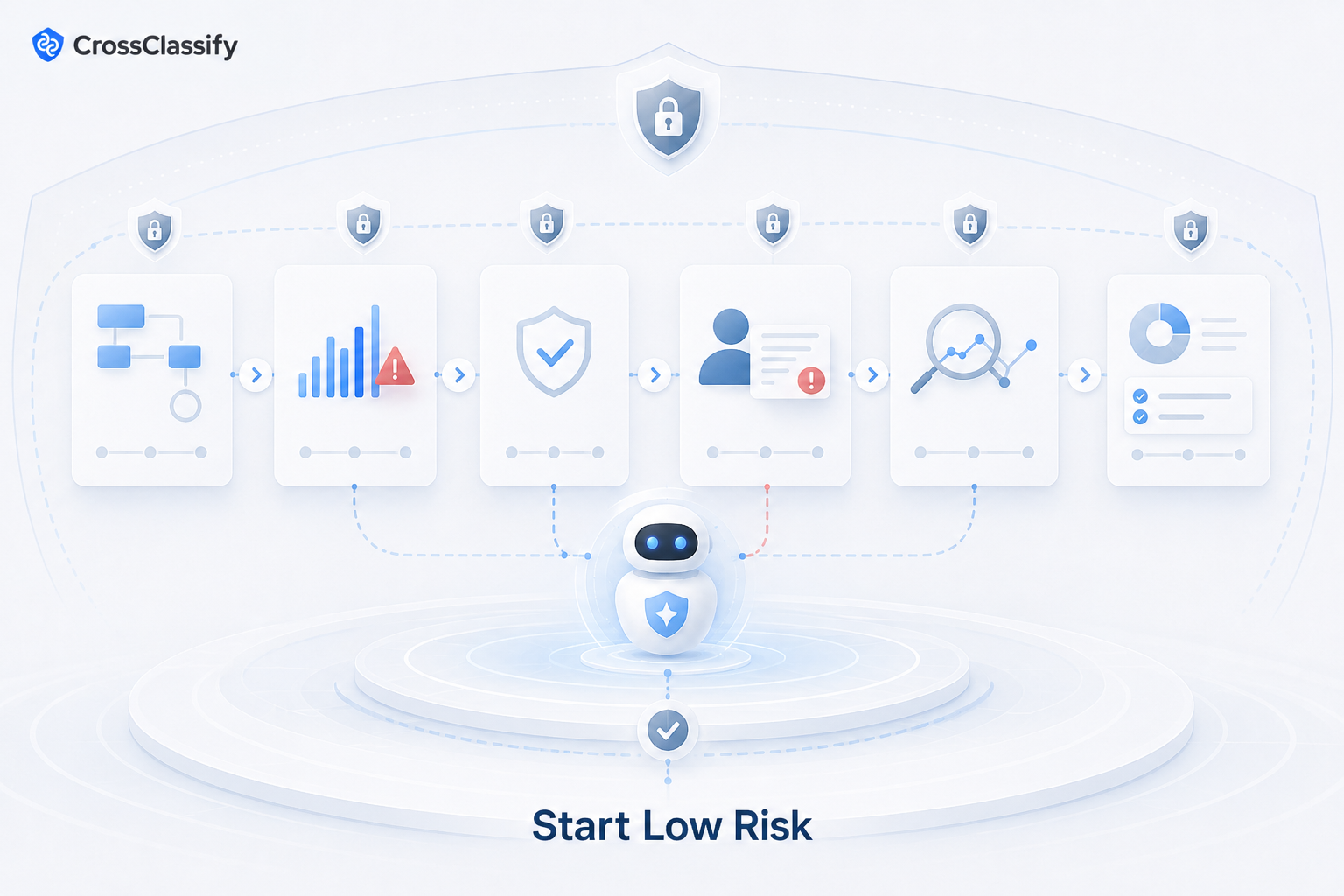
That is the right frame for operations: start with useful, well defined, low risk work.
Practical Operational Workflows for AI Agents
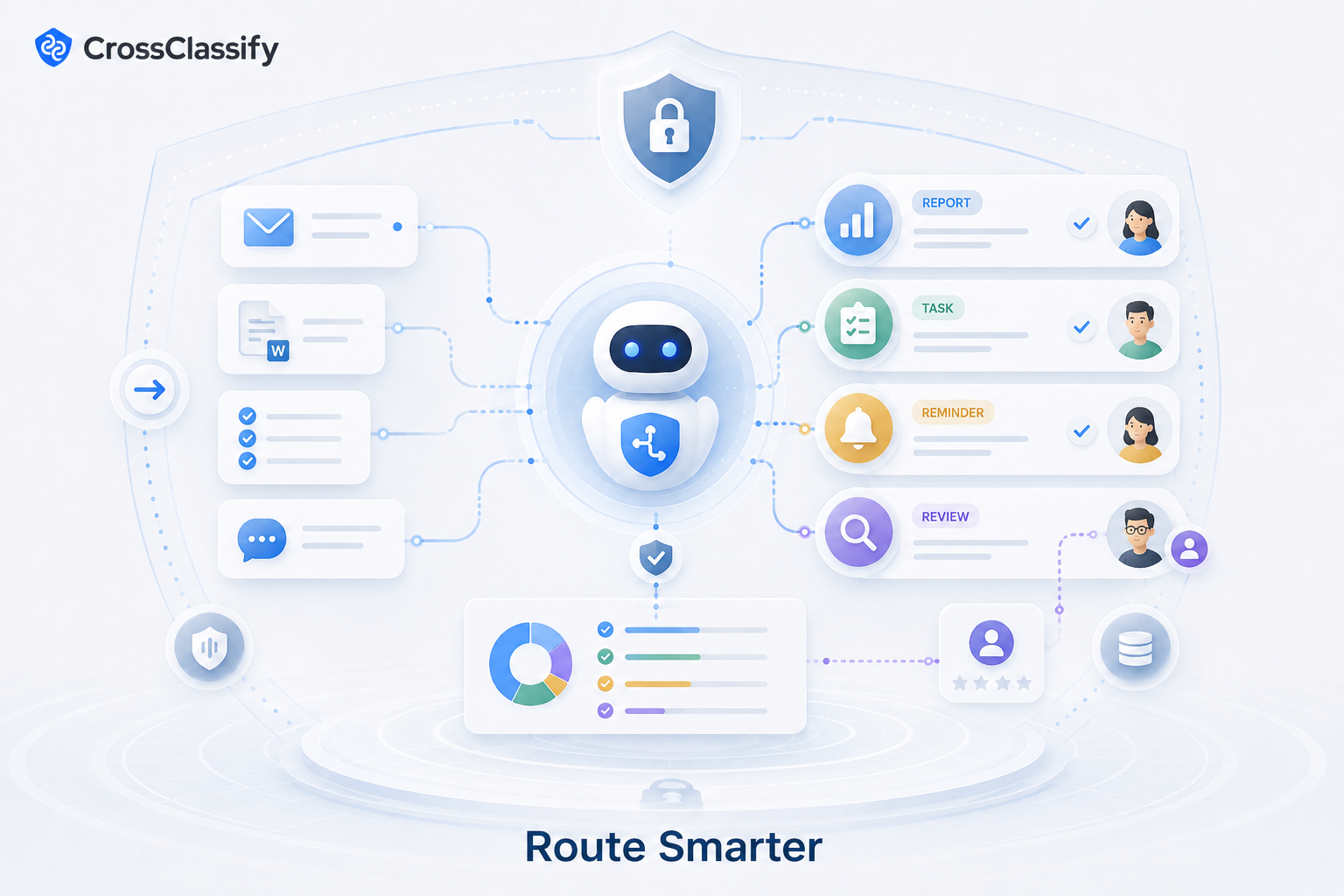
Status reporting
Agents can collect updates from approved sources and prepare weekly summaries for managers.
Task routing
Agents can identify the right owner for incoming requests based on category, urgency, customer type, or missing information.
Exception review
Agents can flag unusual cases for human review, such as delayed shipments, repeated failed payments, duplicate requests, or unusual account changes.
Research support
Agents can gather background information for operations leaders before meetings or planning sessions.
Document processing
Agents can summarize forms, extract key fields, compare documents, and prepare review notes.
Workflow reminders
Agents can detect stalled tasks and prepare follow up messages.
Risk reporting
Agents can summarize suspicious patterns, support cases, fraud alerts, and operational anomalies for review.
Where Operational Risk Begins
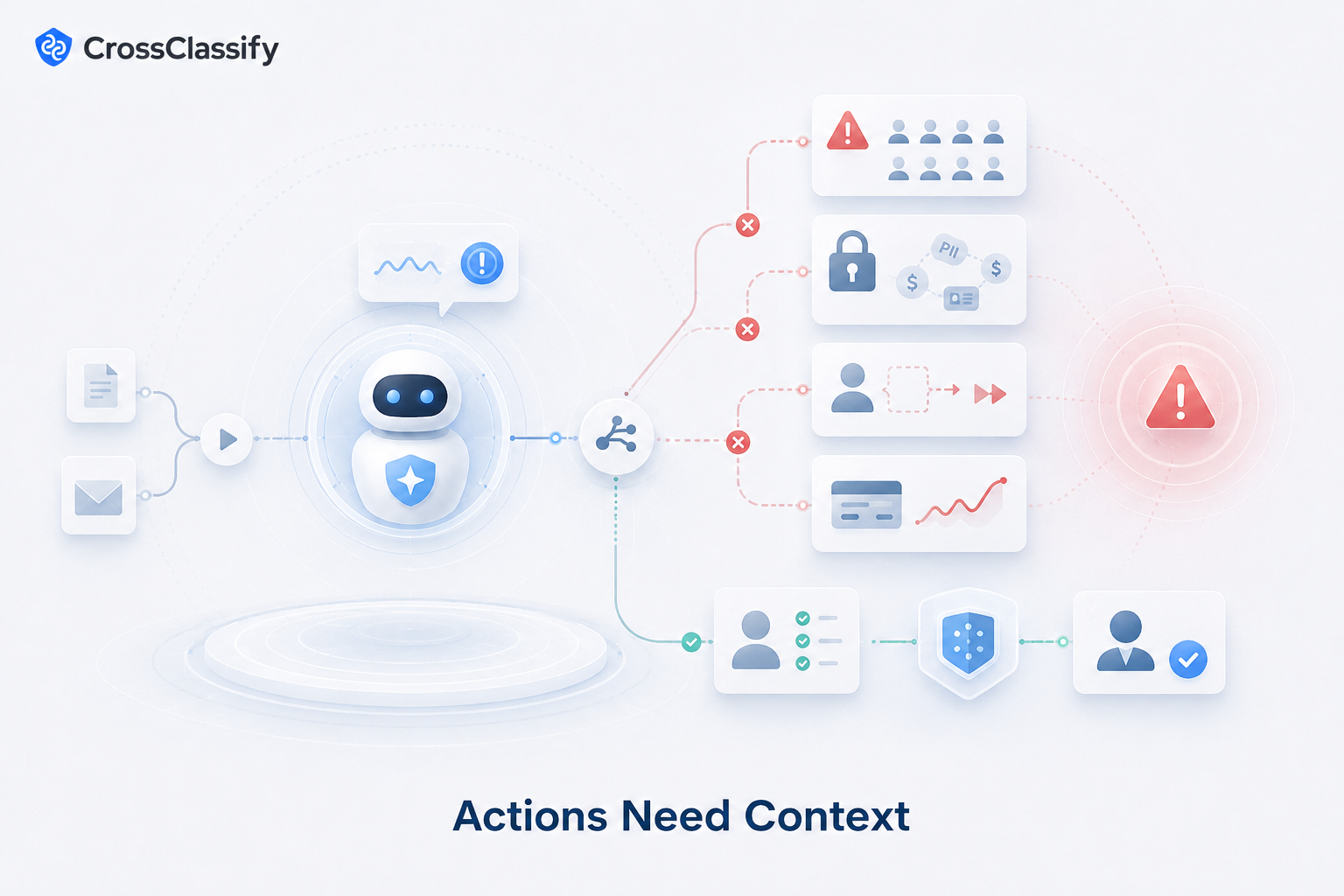
AI agents for operations become risky when they are allowed to trigger actions without enough context.
Wrong action at scale
A human may make one mistake. An agent connected to a workflow can repeat the mistake quickly.
Sensitive data exposure
Operational workflows often include customer details, employee information, financial data, contracts, or shipment information.
Approval bypass
If the agent can move work forward without proper approval, internal controls weaken.
Fraud acceleration
Attackers may exploit automated workflows for fake accounts, refund abuse, fake orders, payment changes, or identity manipulation.
Poor accountability
When something goes wrong, teams need to know who asked the agent, what data it used, what it recommended, and what action followed.
The joint guidance on agentic AI describes risks such as privilege risk, design and configuration risk, behavior risk, structural risk, and accountability risk. It also emphasizes least privilege, continuous monitoring, and integrating AI security into existing cybersecurity practices.
What Usually Goes Wrong With Operations AI Agents
The workflow is not understood before automation
If the company does not understand the current process, the AI agent may simply automate confusion.
Exceptions are treated like normal cases
Operations teams often live in exceptions. AI agents need rules for when not to act.
The agent gets action rights too early
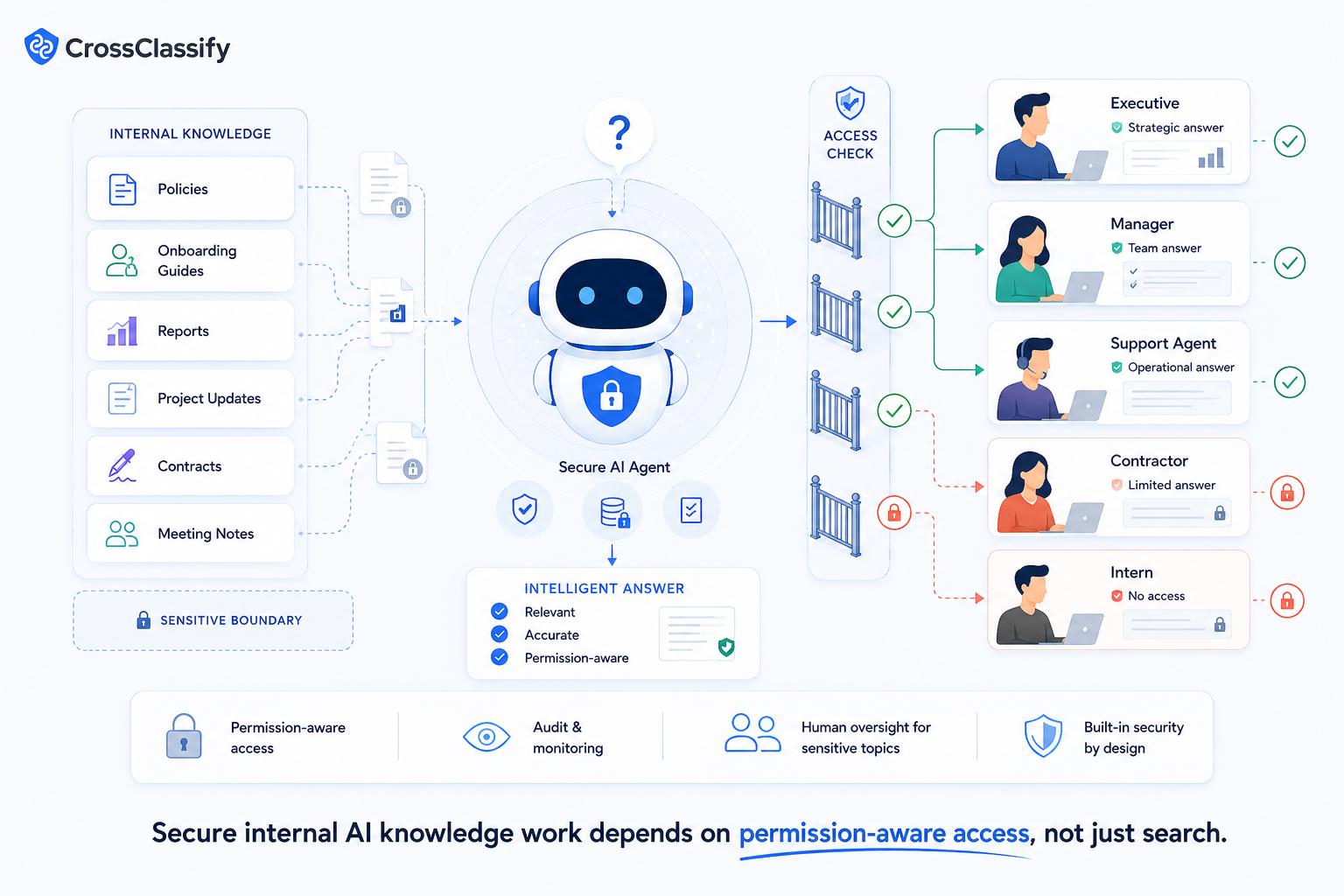
Reading information, drafting an update, and triggering an action are different levels of trust.
There is no fraud input
Operations workflows often connect to fraud risk, especially in fintech, ecommerce, marketplaces, gaming, logistics, and recruitment.
Metrics reward speed only
If success is measured only by faster processing, teams may miss rising abuse, customer harm, or compliance exposure.
A Better Implementation Path for Operations
Map the workflow
Identify the steps, decision points, data sources, owners, approvals, and exceptions.
Rank tasks by risk
Start with workflows where the agent can summarize, route, or recommend without executing sensitive actions.
Define action boundaries
Decide what the agent can read, draft, assign, escalate, and execute.
Use human review for exceptions
Any unusual, high value, identity sensitive, or policy exception case should remain human reviewed.
Add monitoring
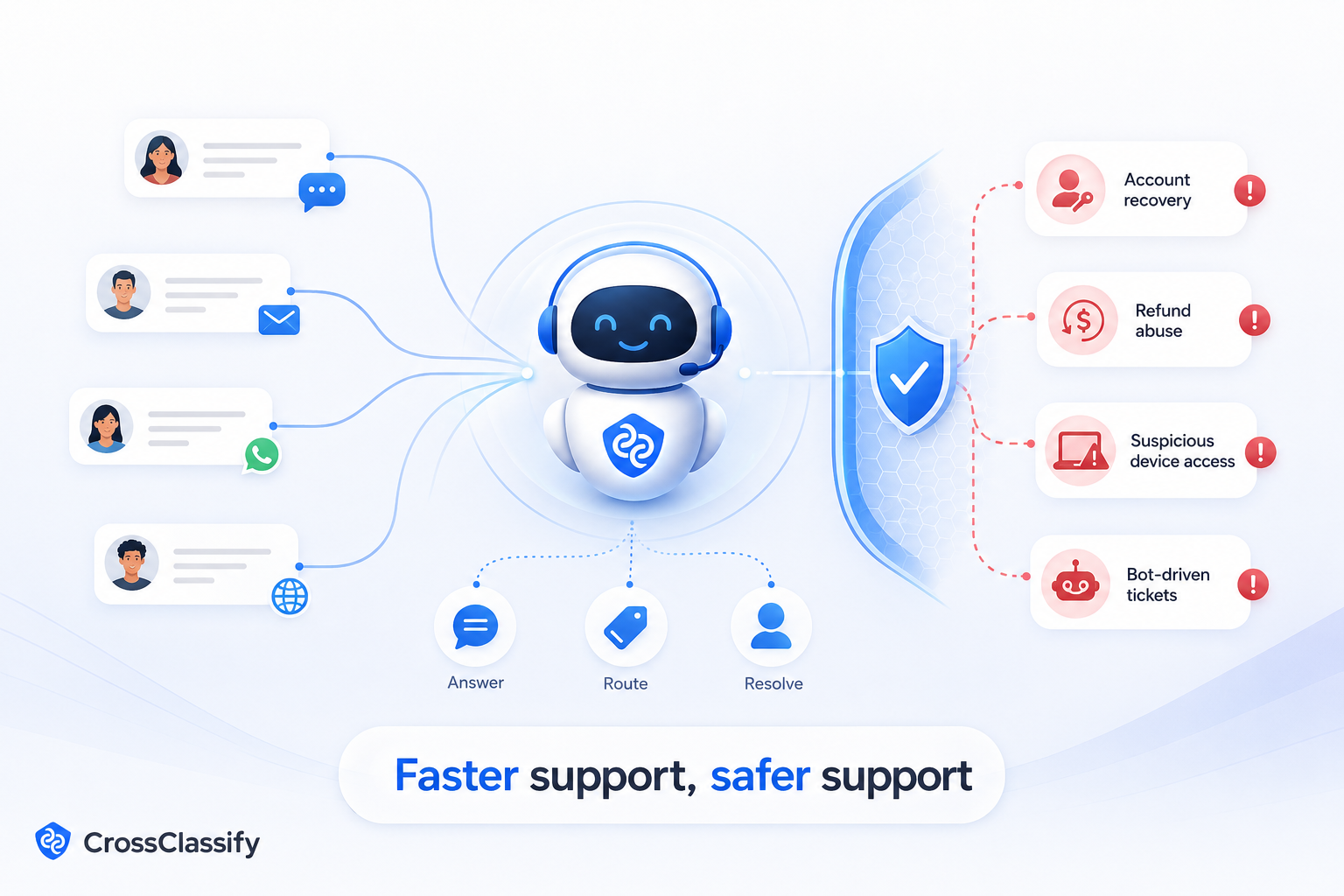
Monitor user behavior, device signals, account history, bot patterns, and abnormal activity around AI enabled workflows.
Review outcomes
Track not only speed, but accuracy, escalations, fraud events, customer complaints, and policy exceptions.
Examples by Industry
Fintech
An AI agent can summarize failed verification cases and route them to the right team. But account changes, withdrawals, and payment changes need fraud risk signals and human review.
Ecommerce
An agent can classify returns and prepare refund recommendations. But repeated refund requests, suspicious devices, or new account patterns should be escalated.
Marketplaces
An agent can route buyer and seller disputes. But fake seller accounts, account takeover, and coordinated abuse need risk scoring.
Freight and logistics
An agent can summarize shipment exceptions and missing documents. But pickup changes, carrier identity issues, and high value shipment rerouting need strong trust signals.
Recruitment platforms
An agent can help categorize candidate or employer support issues. But fake job posts, employer account takeover, and suspicious account behavior should trigger review.
Where CrossClassify Fits Naturally
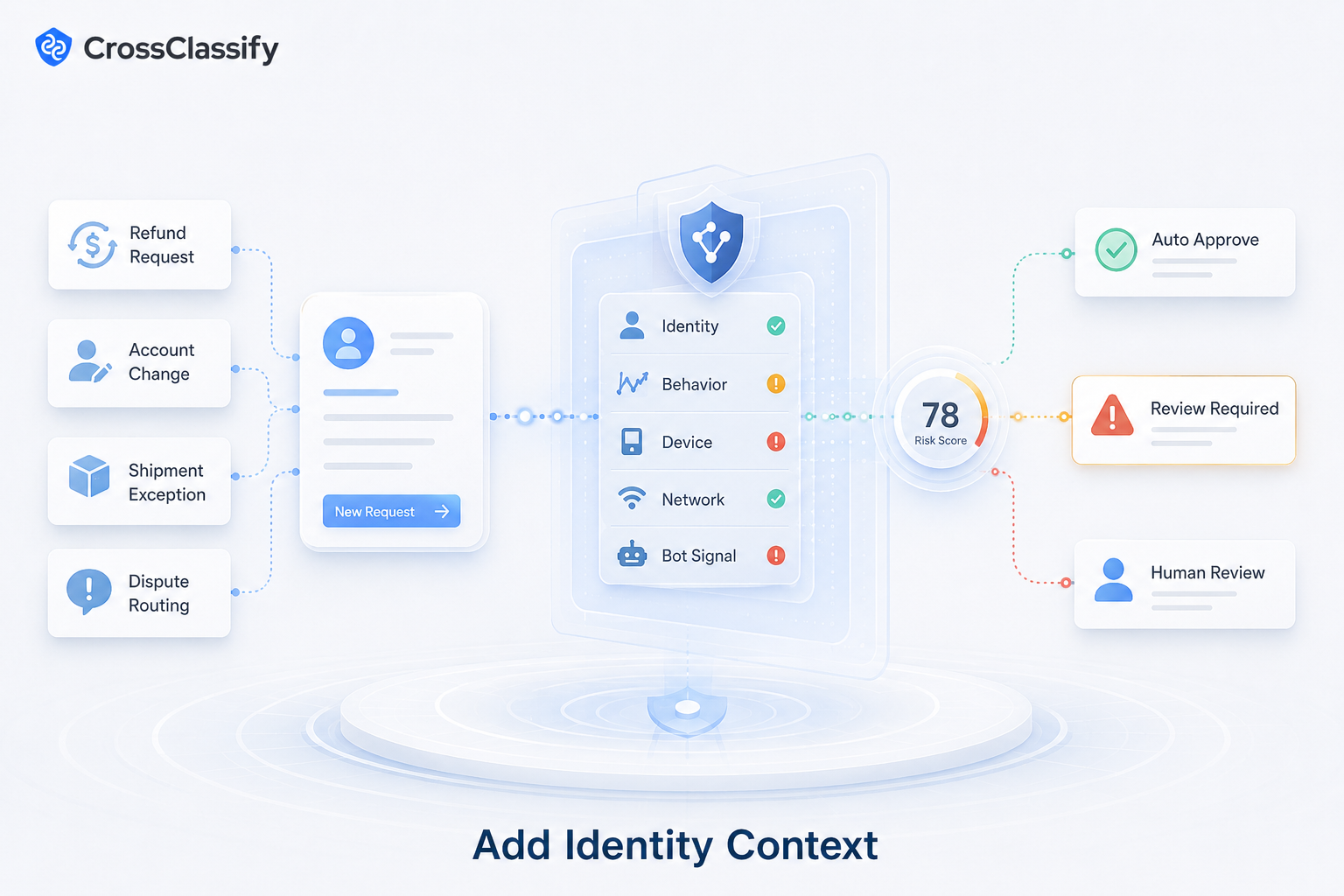
AI agents for operations often touch workflows where identity and behavior context matters.
CrossClassify helps companies analyze identity, behavior, network, and device signals to detect suspicious devices, bots, account abuse, account takeover, fake account creation, and abnormal behavior.
That matters when operational AI agents are used around sensitive account journeys. For example, if an ecommerce company uses an AI agent to assist with refunds, CrossClassify can help the risk layer evaluate whether the user behavior, device, and account pattern look suspicious. The device fingerprinting solution supports this by helping companies recognize risky devices and repeated patterns across digital journeys. This helps operations teams automate support work without ignoring the identity context behind the request.
For industries where bots create operational pressure, such as ecommerce, marketplaces, fintech, gaming, and recruitment, CrossClassify’s bot attack detection can help identify automated abuse that may otherwise flood AI assisted workflows. That makes the operational automation more resilient.
Conclusion
AI agents for operations can create real productivity gains. They can reduce repetitive work, improve reporting, route tasks faster, and help teams manage exceptions.
But operations are not just tasks. They are business controls in motion.
The safest companies will not ask AI agents to run everything. They will use agents to support well defined workflows, preserve human review for sensitive actions, and monitor identity, device, bot, and behavior risk around the process.
Automation is valuable when it makes operations faster and safer.
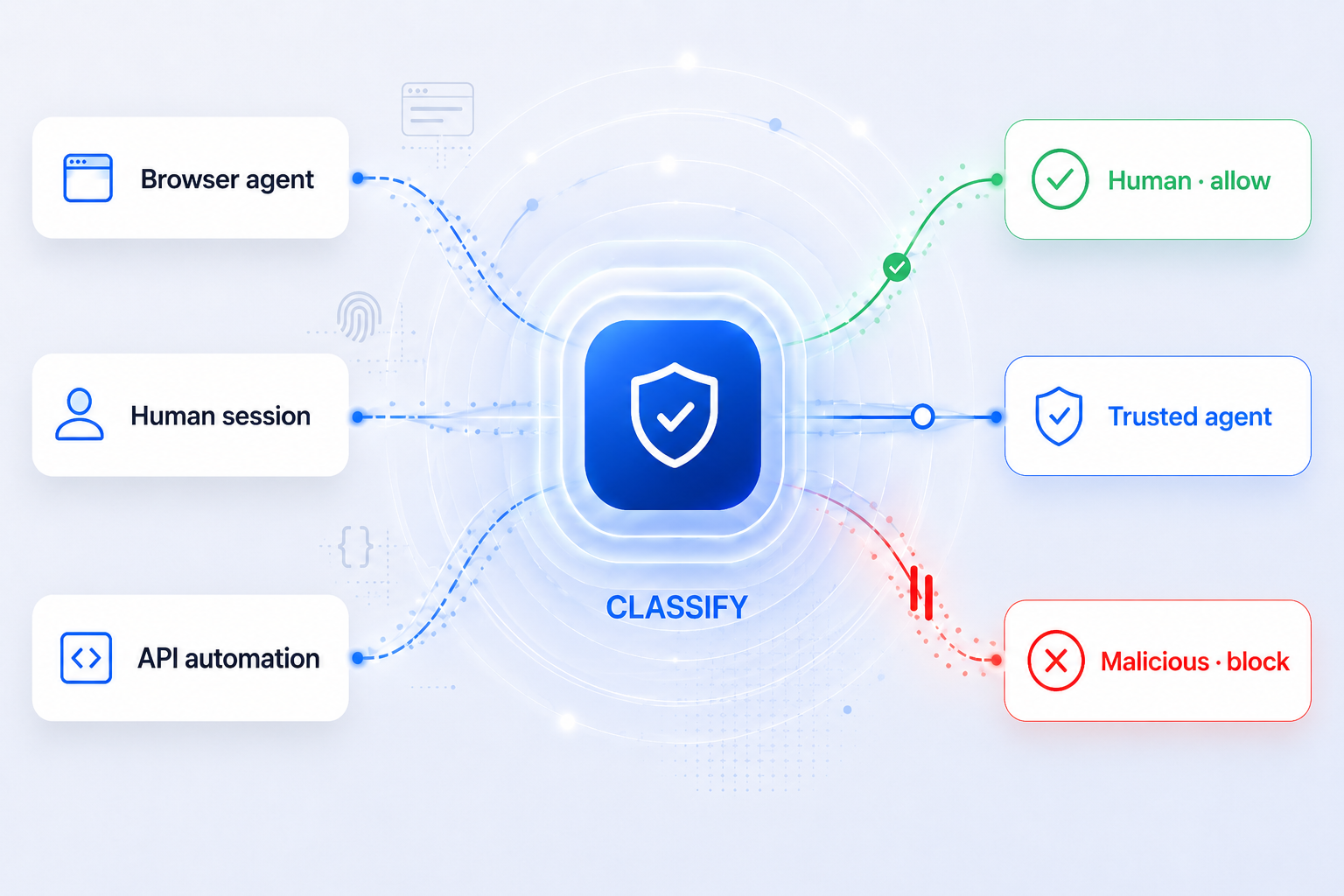
See How CrossClassify Secures the New AI Agent Attack Surface
Classify human sessions, trusted agents, and malicious automation before requests turn into risk
Explore CrossClassify today
Detect and prevent fraud in real time
Protect your accounts with AI-driven security
Try CrossClassify for FREE—3 months
Share in
Related articles
Frequently asked questions
Let's Get Started
Create your free
account today
Discover how to secure your app against fraud using CrossClassify
No credit card required