Last Updated on 14 Jun 2026
AI Agent Marketplaces and Templates: Fast Adoption, Hidden Business Risk
Share in
Introduction
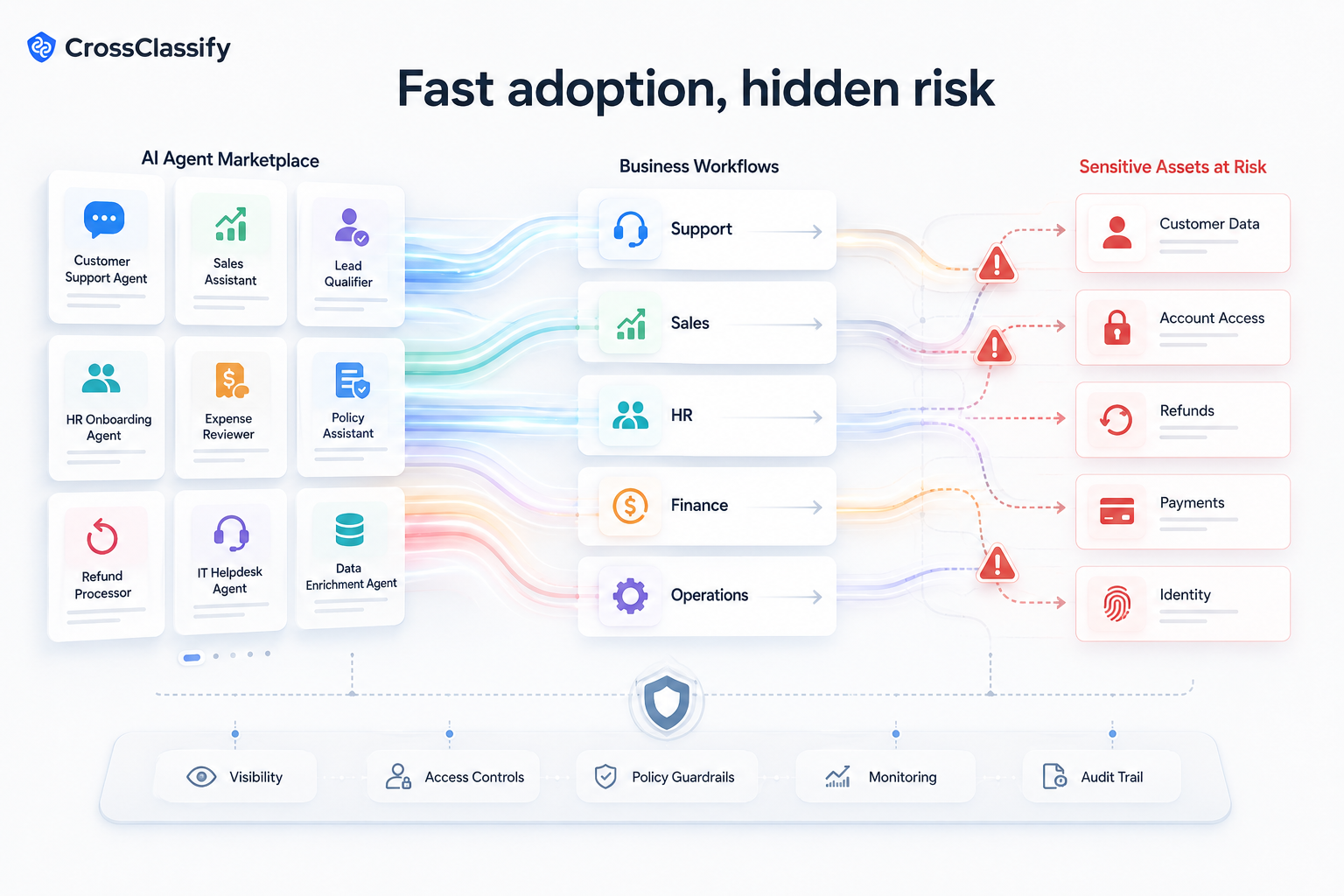
AI agent marketplaces and templates will make agent adoption faster.
That sounds helpful. A company can start with a ready made agent for support, sales, operations, HR, IT, finance, reporting, or customer engagement instead of building from zero.
Microsoft Copilot Studio highlights ready to use agents from an Agent Store and templates that companies can customize. It also describes publishing agents across channels and managing agent creation, sharing, analytics, and governance. (Microsoft) Google Gemini Enterprise similarly emphasizes prebuilt agents, custom agents, third party agents, no code agent building, and centralized management. (Google Cloud)
This is a major shift. Agent adoption will not only come from developers. It will come from templates, galleries, internal libraries, partner agents, and department level automation.
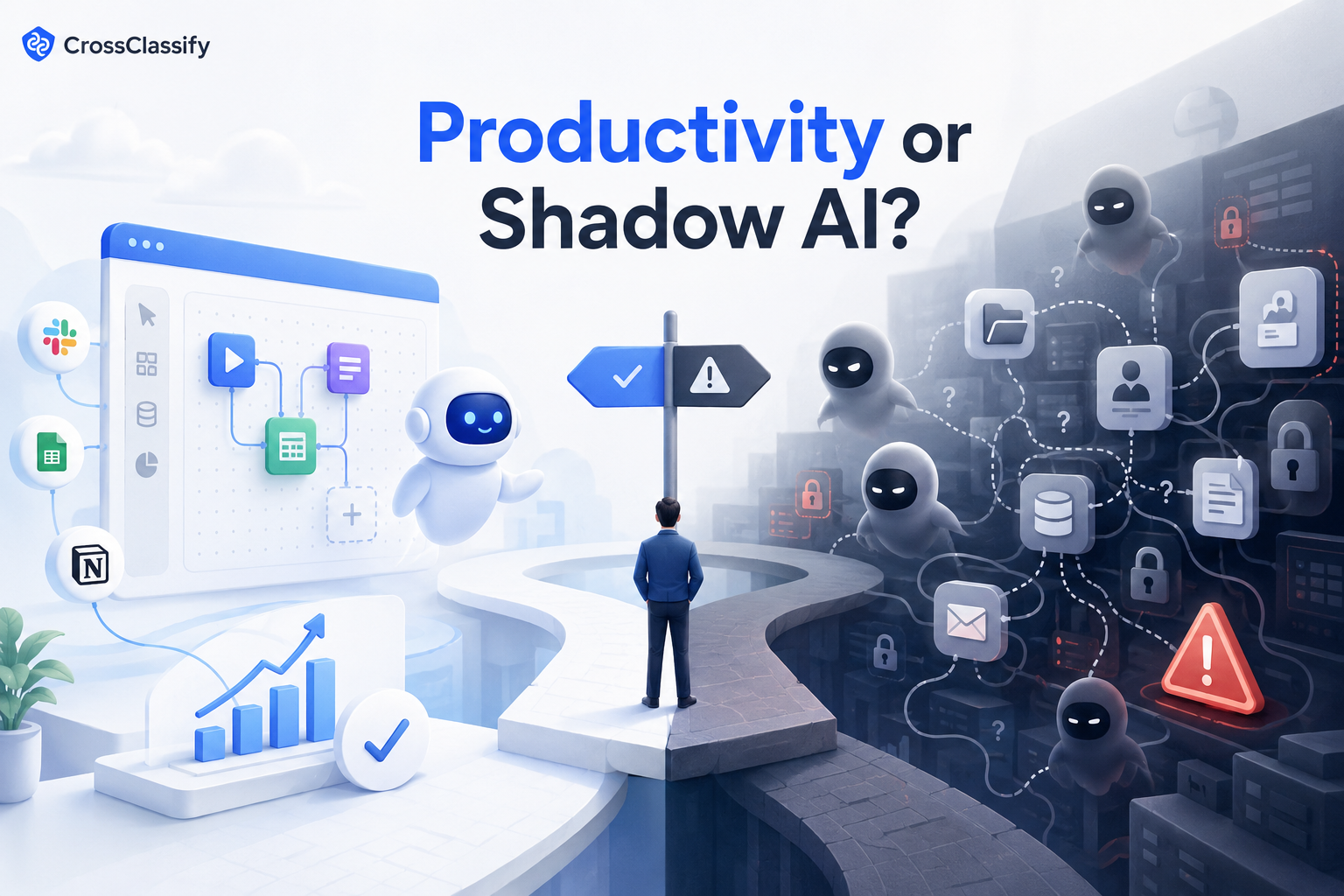
That creates speed. It also creates hidden risk.
Watch the Video Summary
Not Every AI Agent Template Is Safe For You


Why templates are attractive
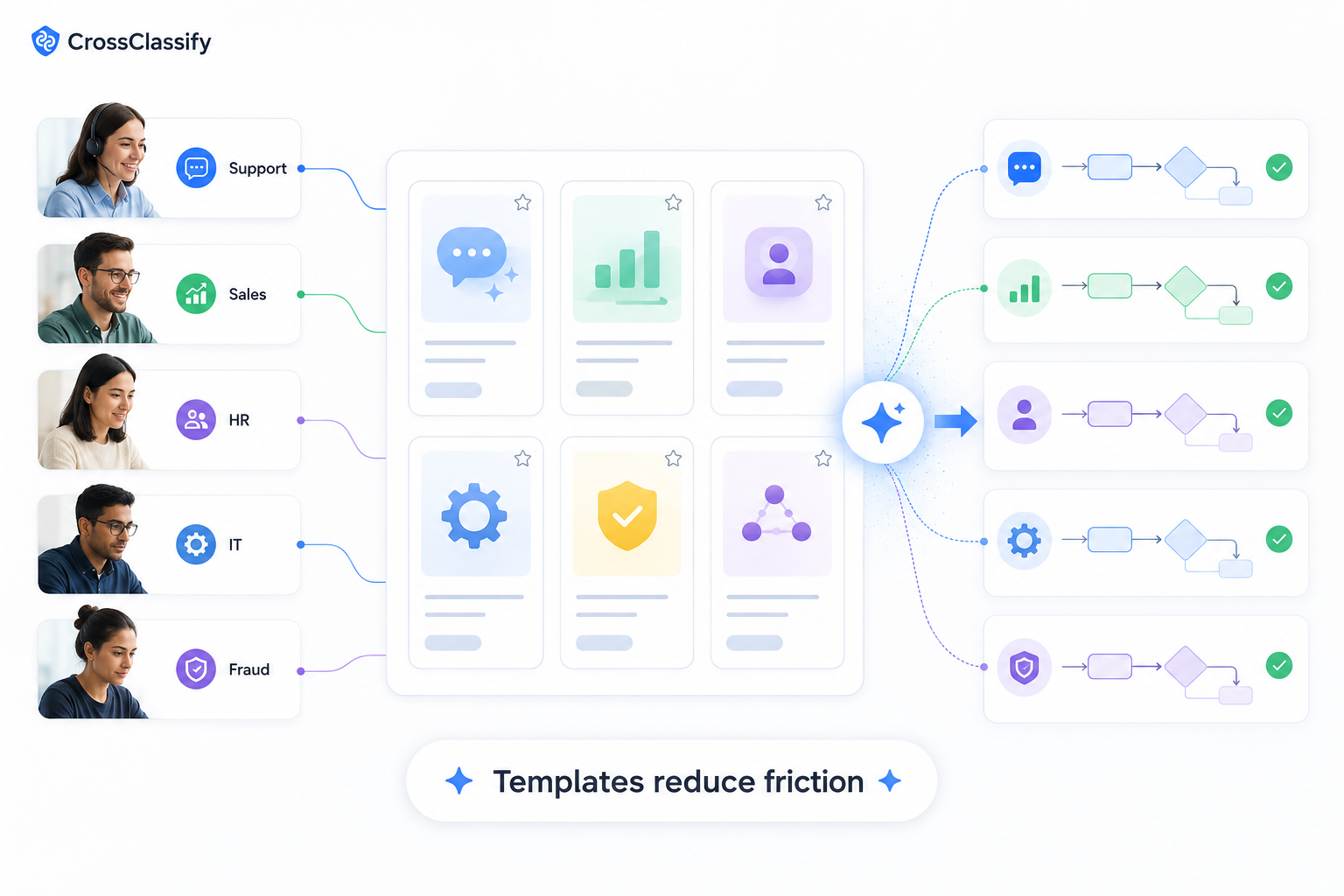
Templates reduce friction.
A support leader can start with a customer service template. A sales team can start with an account research agent. An HR team can start with an onboarding agent. An IT team can start with a ticket resolution agent. A fraud team can start with a case summary agent.
Templates are useful because they give teams structure. They can turn a vague AI idea into a practical workflow.
They also help non technical teams understand what agents can do.
The hidden risk of templates
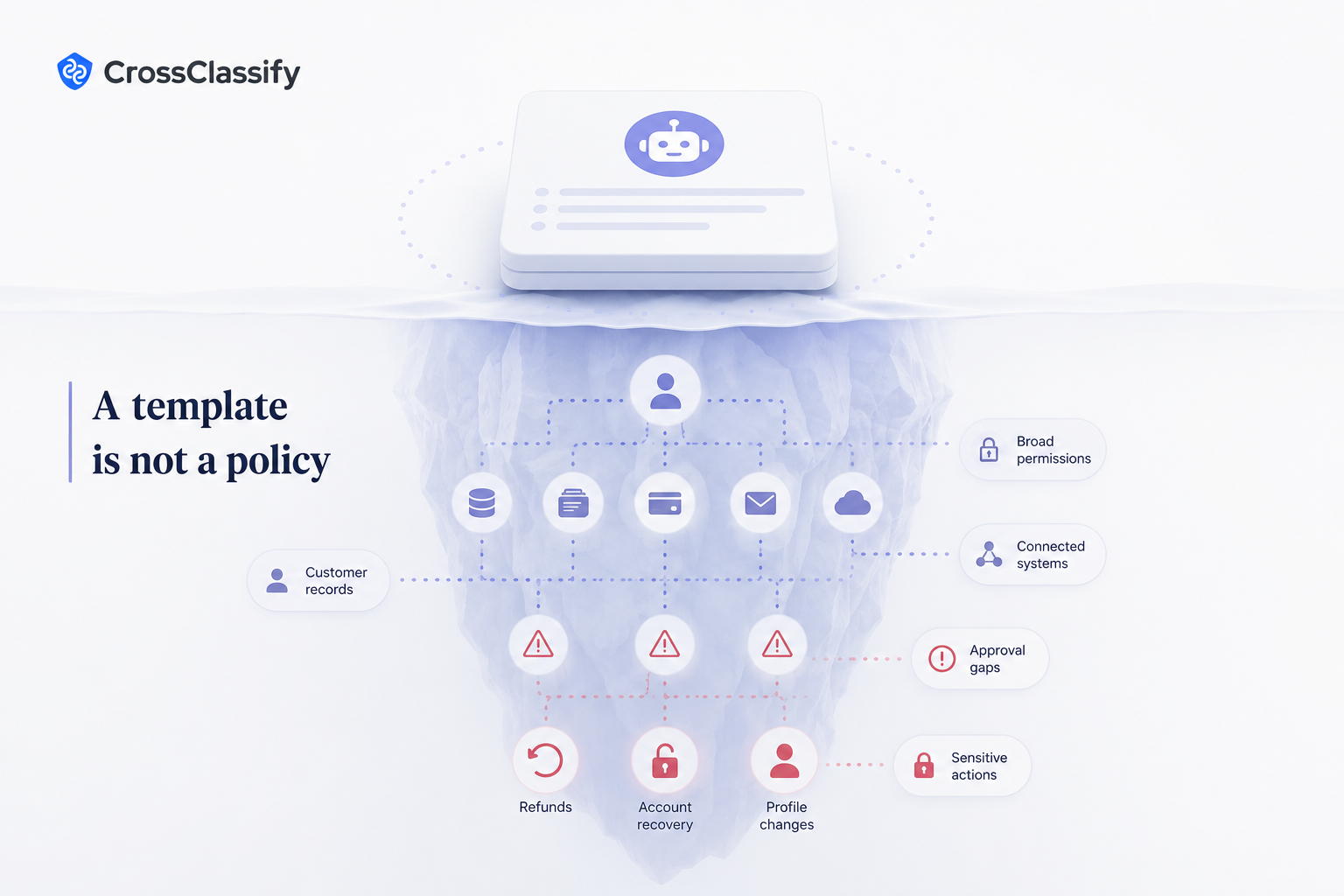
A template is not automatically safe for every company.
It may assume a certain data structure, approval process, customer journey, policy model, or risk tolerance. It may ask for access that is broader than necessary. It may include actions that are acceptable in one company but risky in another.
The danger is that teams adopt a template because it works quickly, not because it fits their risk model.
An agent template for refunds may be useful for one ecommerce company and dangerous for another. A support escalation template may be harmless for product questions but risky for account recovery. A marketplace dispute template may overlook seller fraud patterns. A financial operations template may not account for withdrawal abuse.
What companies should review before using templates
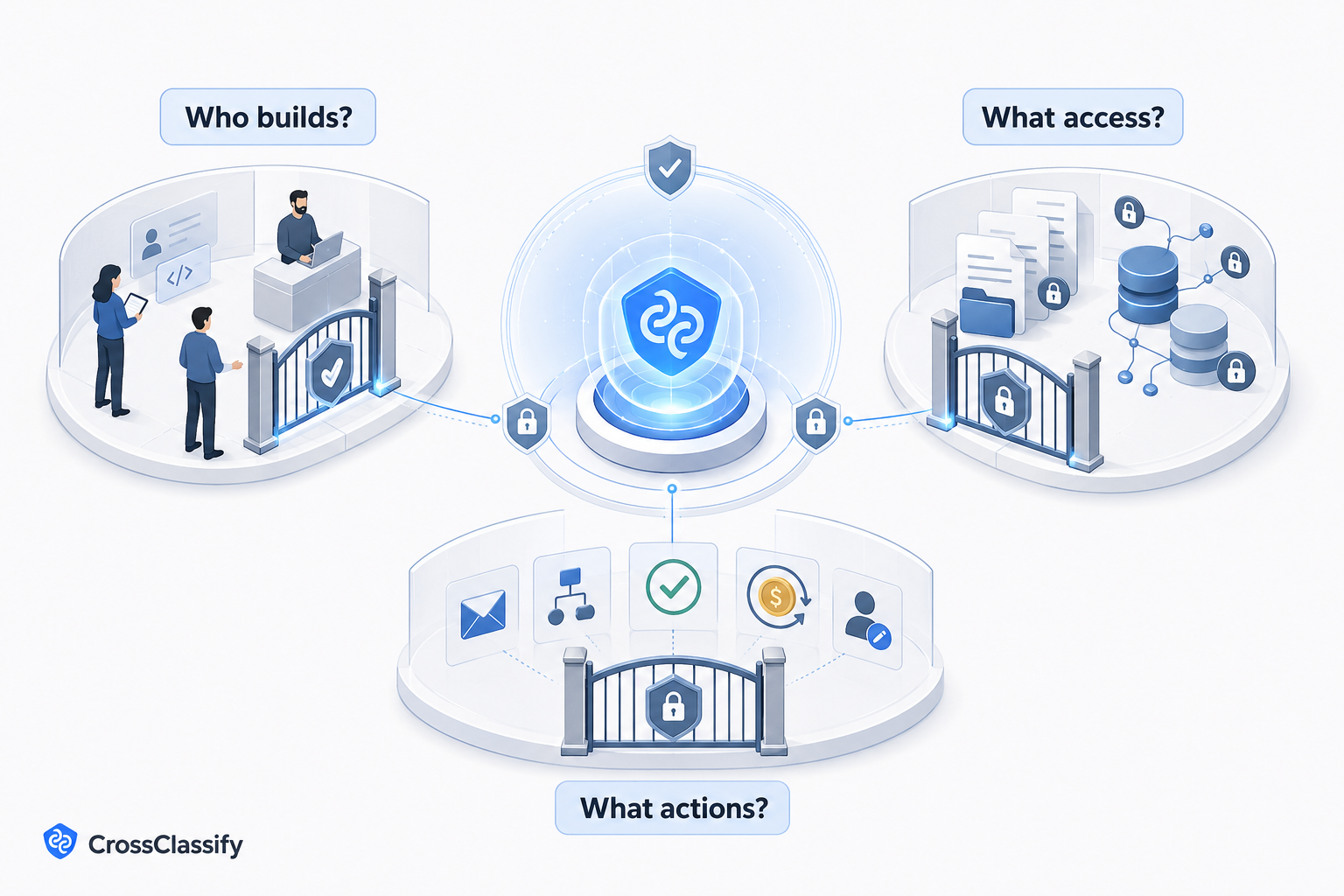
Before using an agent template, companies should review several things.
- What data does the template need?
- What systems does it connect to?
- What actions can it take?
- Does it send messages?
- Does it update records?
- Does it access customer data?
- Does it affect money, identity, or account access?
- Does it require human approval?
- Can it be manipulated by user content?
- Does it store memory?
- Who owns the agent after deployment?
The answers determine whether the template is low risk or high risk.
Template risk in customer workflows
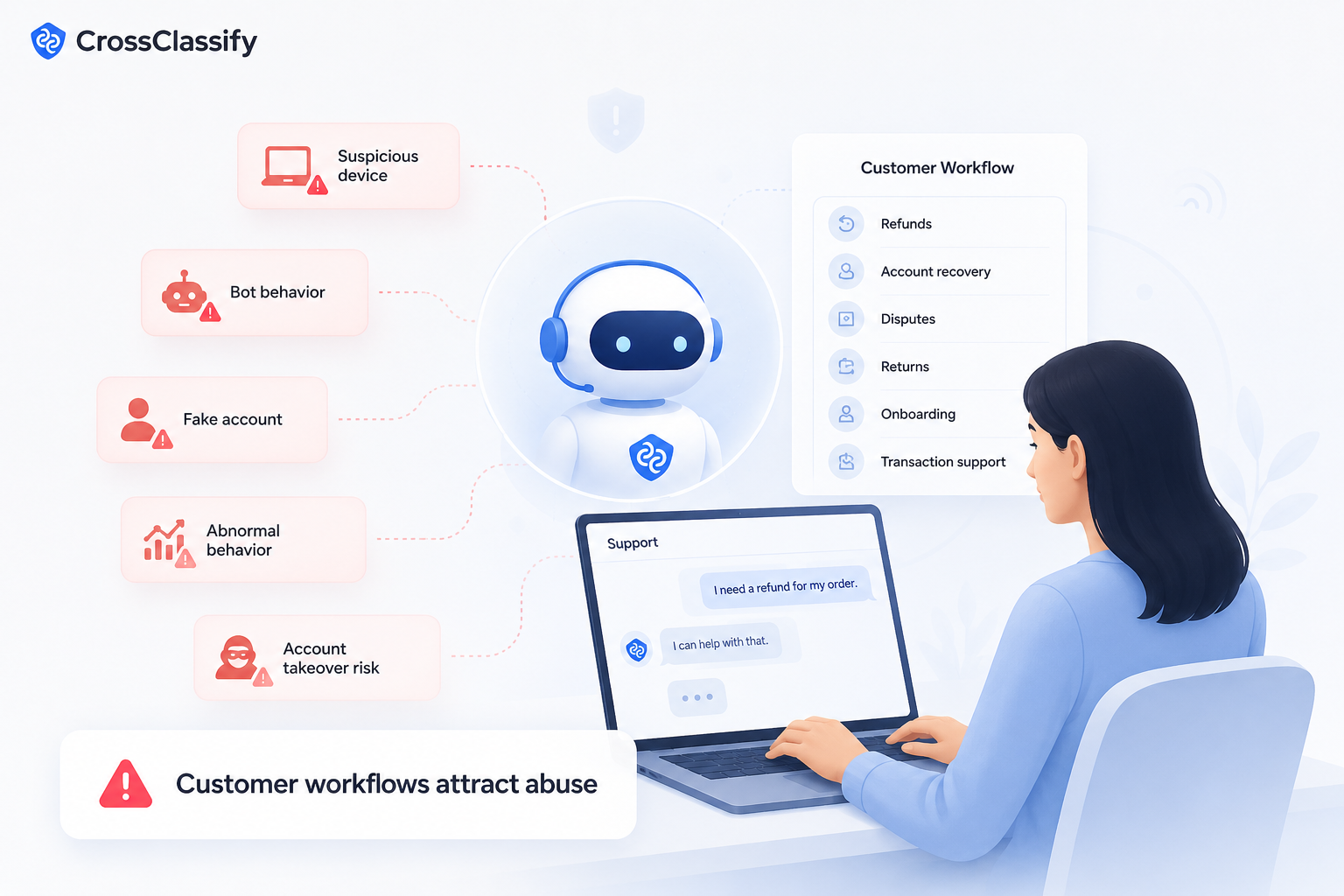
Templates become most sensitive when they touch customer actions.
A customer support template may help with refunds. An account help template may assist with recovery. An ecommerce template may handle returns. A marketplace template may help with disputes. A fintech template may help with transaction questions.
These workflows are attractive to fraudsters.
If an agent template makes it easier to request refunds, recover accounts, change profile details, or influence support decisions, companies need risk signals around the user and session.
A safer adoption path
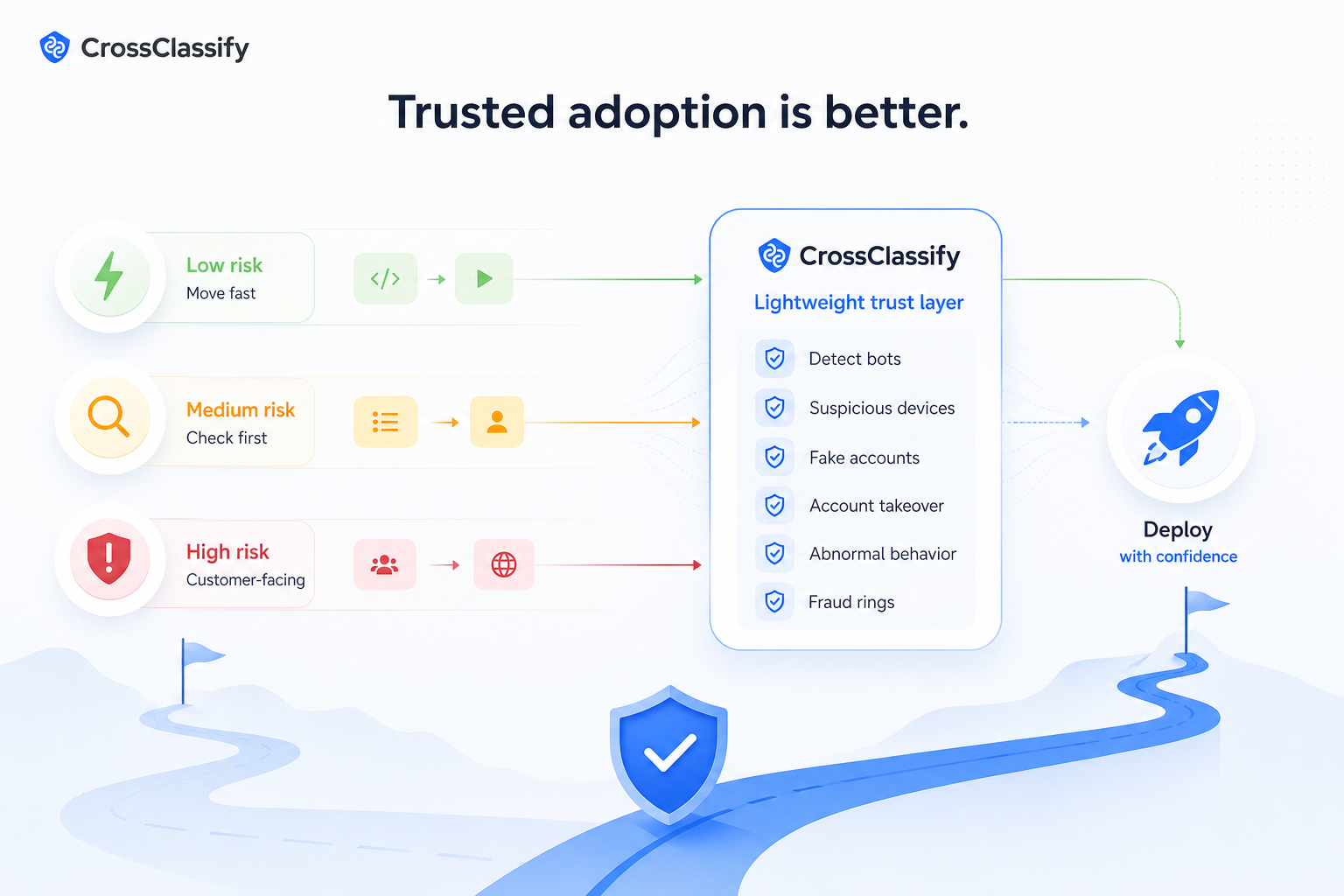
Companies should create a template review process.
Low risk templates can be approved quickly. Examples include internal FAQ assistants, report draft agents, meeting summary agents, and low sensitivity knowledge agents.
Medium risk templates require review of data access and action permissions.
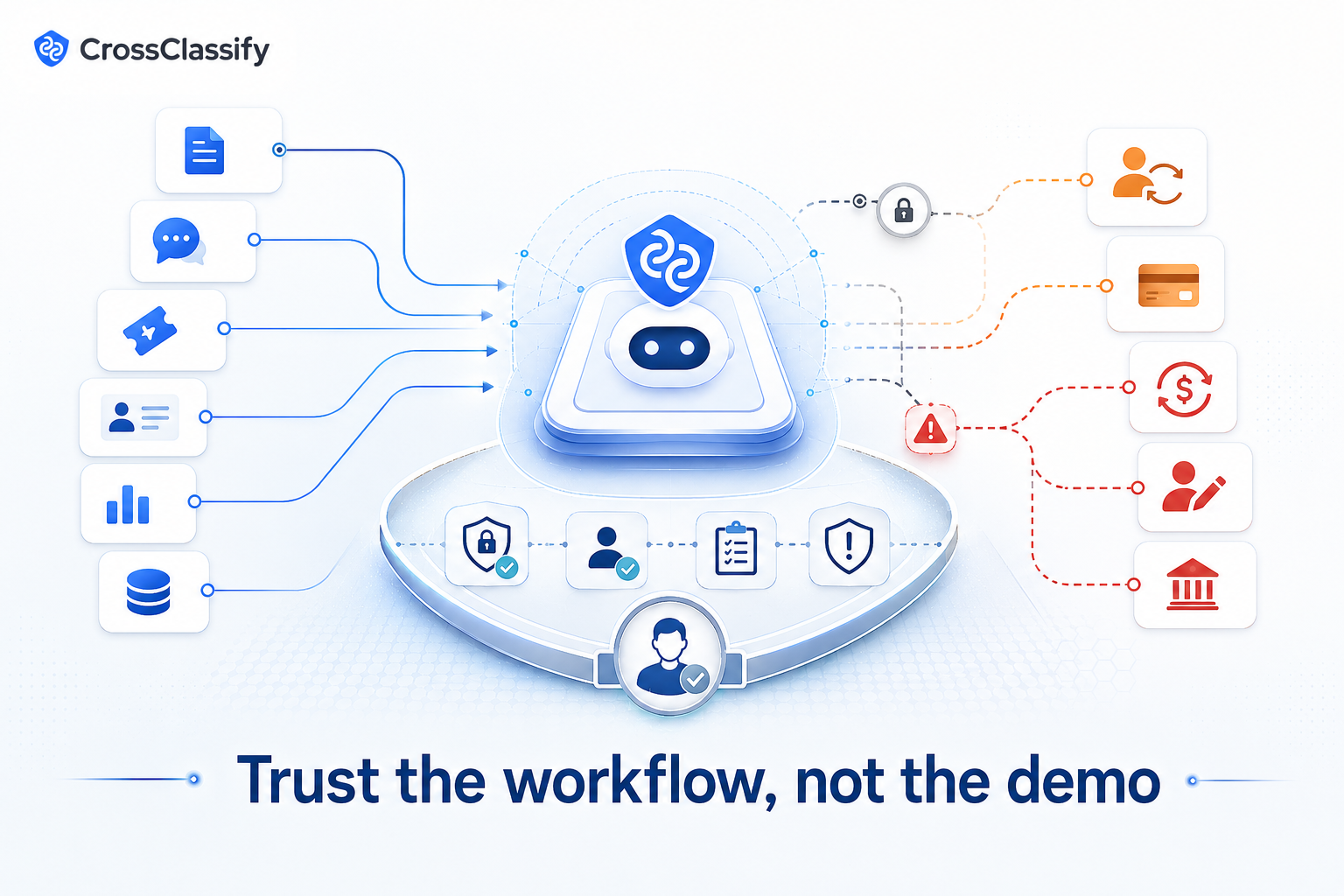
High risk templates require risk signals, human approval, logging, and escalation rules.
Companies should also maintain an internal catalog of approved templates. That helps teams move fast without building risky agents in isolation.
Where CrossClassify fits
CrossClassify fits where templates support customer facing workflows.
For example, if a template helps support teams handle account recovery, refunds, onboarding, suspicious tickets, disputes, or withdrawals, companies should evaluate whether the user behavior looks normal or risky.
CrossClassify can help detect bots, suspicious devices, fake accounts, account takeover, abnormal behavior, and fraud rings. This gives companies a trust layer around template based automation.
The goal is not to block templates. The goal is to avoid turning fast adoption into fast abuse.
Conclusion
AI agent marketplaces and templates will accelerate adoption. They will help teams see value quickly and build workflows faster.
But templates are not risk free. They carry assumptions about data, actions, permissions, and process.
Companies should adopt templates with a review process, especially when the workflow touches customer data, account access, refunds, payments, or sensitive actions.
Fast adoption is good. Trusted adoption is better.
See How CrossClassify Secures the New AI Agent Attack Surface
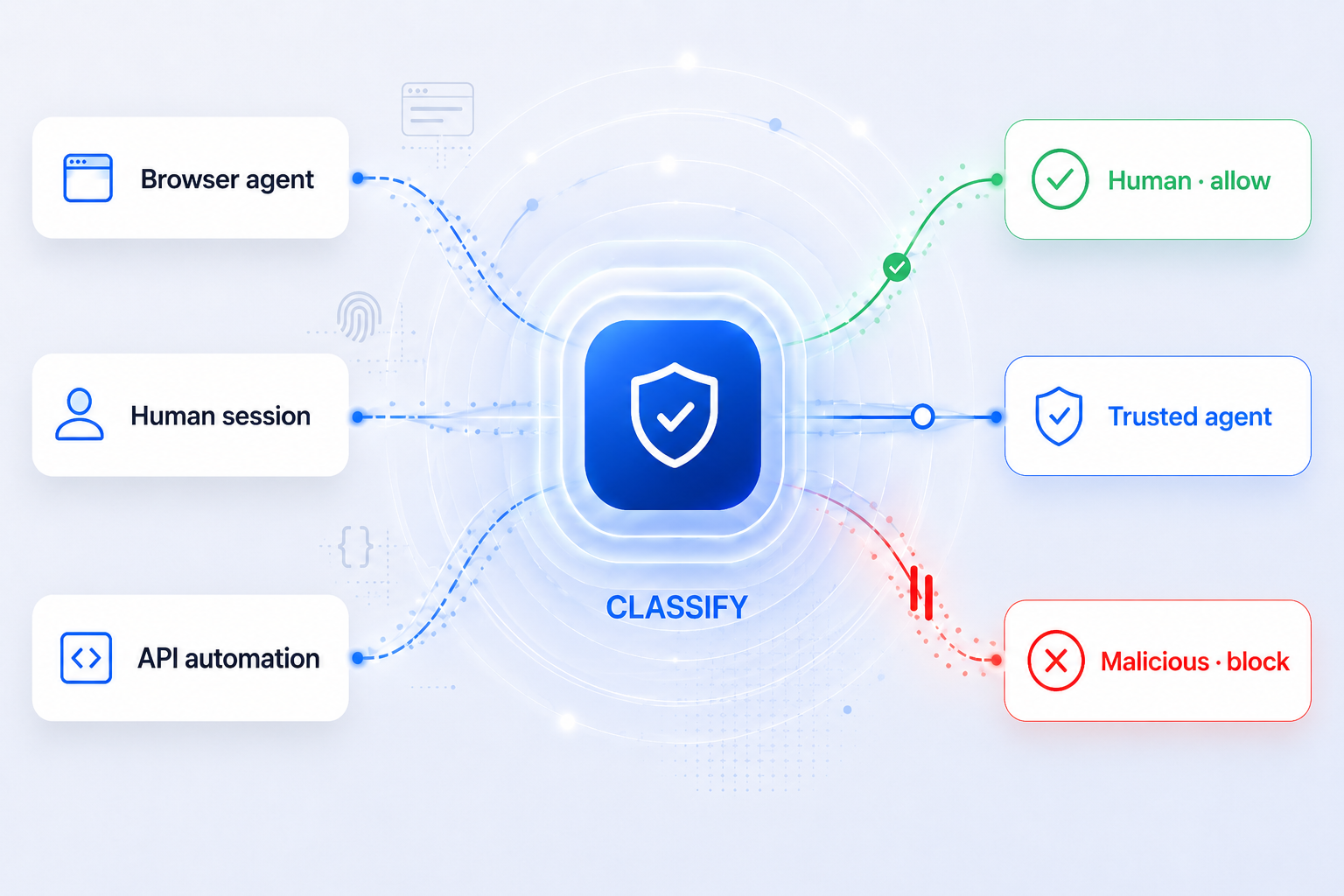
Classify human sessions, trusted agents, and malicious automation before requests turn into risk
Explore CrossClassify today
Detect and prevent fraud in real time
Protect your accounts with AI-driven security
Try CrossClassify for FREE—3 months
Share in
Related articles
Frequently asked questions
Let's Get Started
Create your free
account today
Discover how to secure your app against fraud using CrossClassify
No credit card required