Last Updated on 03 Sept 2025
Best Recruitment Fraud Protection and Cybersecurity Software for Hiring Platforms
Share in

Key Notes
•
Recruitment fraud costs job seekers and employers over $2 billion annually worldwide (Action Fraud UK).•
More than 14% of job seekers globally reported recruitment scams in 2023 (Visma).•
40% of HR teams admit they lack effective fraud detection tools in applicant screening (Reed).
The Recruitment Industry: Scale and Growth

Fraud and Security Concerns: The Big Picture
Insider-related fraud is one of the most underestimated risks in recruitment. It includes recruiters within agencies abusing their access by leaking candidate data, manipulating placement records, or taking bribes for job offers. Fake resume submissions by candidates also fall into this category, with applicants exaggerating or fabricating work experience, certifications, or educational history. Such falsifications often lead to costly mis-hires, wasted recruitment resources, and long-term productivity losses. In some cases, coordinated insider fraud rings have been uncovered where multiple staff members collude to profit from fraudulent placements or resell candidate information to third parties.
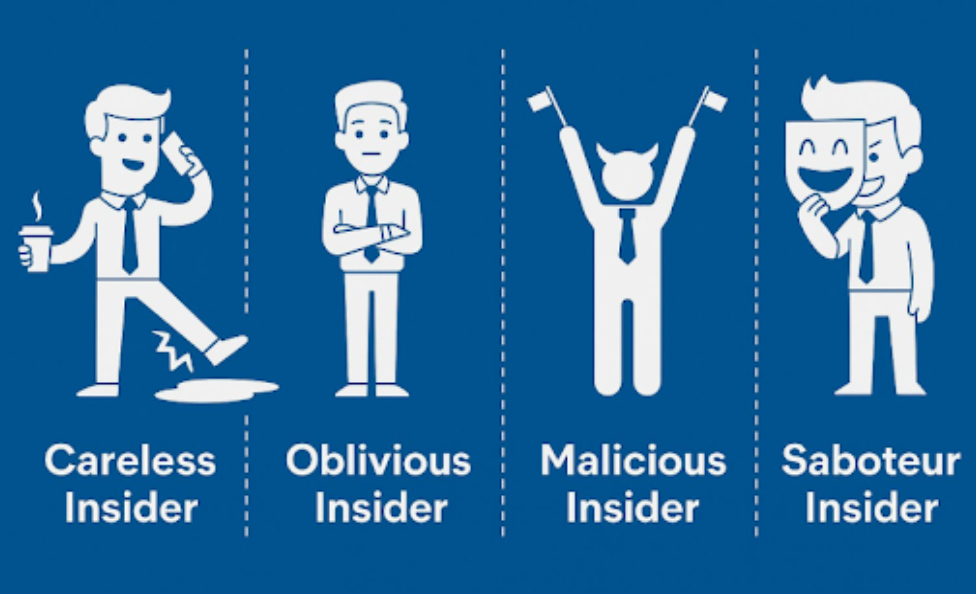
These threats originate outside the organization, often from cybercriminals exploiting the trust-based nature of recruitment platforms. Common tactics include impersonating well-known companies, creating fraudulent job postings, and tricking applicants into paying fees or revealing sensitive information. Phishing campaigns target both candidates and HR personnel, using realistic job descriptions and spoofed domains to harvest credentials. According to the FTC, scammers regularly impersonate global brands on platforms like LinkedIn to lure unsuspecting job seekers. These attacks not only defraud individuals but also tarnish the reputation of legitimate employers whose names are misused in the scams.
Beyond isolated incidents, the recruitment industry faces structural vulnerabilities that fraudsters continue to exploit. Outdated screening systems make it difficult to verify candidate identity in real time, while reliance on legacy HR software leaves organizations exposed to exploitation. Many agencies lack advanced fraud detection mechanisms, meaning that fraudulent resumes, synthetic identities, or fake recruiter accounts can circulate undetected. This absence of robust security standards across job boards, staffing agencies, and enterprise recruitment systems creates systemic risks. These weaknesses undermine confidence in the hiring process and open the door to large-scale recruitment fraud campaigns that can spread across entire markets.
Fraud Size in the Recruitment Industry
In emerging markets such as India, the issue has grown so acute that major corporations including Infosys and Tech Mahindra have been forced to issue repeated fraud alerts. These warnings highlight scams where fraudsters impersonate recruiters, use forged company letterheads, and pressure candidates into making upfront payments under the pretext of securing interviews or positions. Similar alerts have been issued by multinational firms like Kelly Services and Concentrix, underlining the global nature of the threat.
The fraud size extends beyond monetary loss. Recruitment fraud undermines confidence in hiring platforms, damages the reputation of legitimate employers, and burdens HR departments with additional verification work. A survey by Reed Screening revealed that over 60% of recruiters encounter suspicious applications annually, with fake resumes and manipulated references ranking among the most common problems. Furthermore, online job boards such as LinkedIn and Indeed face constant threats from fraudulent postings, with cybercriminals exploiting their vast reach to scale recruitment scams worldwide.
This scale of fraud demonstrates that recruitment fraud is not a marginal issue but a systemic challenge that affects all stakeholders. It erodes trust in digital recruitment channels, inflates operational costs for employers, and causes significant financial and emotional harm to job seekers. Without stronger detection and prevention measures, losses are expected to grow alongside the continued expansion of digital hiring ecosystems.
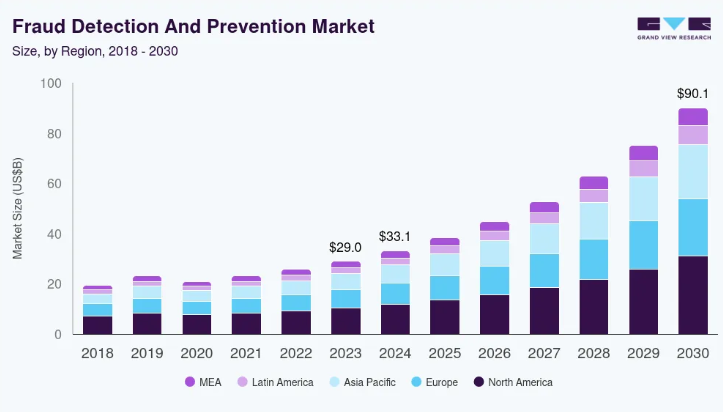
Reference : https://www.grandviewresearch.com/industry-analysis/fraud-detection-prevention-market
Real-World Cases of Recruitment Fraud
- Infosys Recruitment Fraud: Fraudsters impersonated recruiters, sending fake offer letters and demanding deposits. Infosys had to issue multiple public fraud warnings.
- Kelly Services Scam: Victims were tricked into sharing sensitive data under the pretext of employment, highlighting weaknesses in identity verification.
- Army Recruitment Fraud: Authorities worldwide have exposed fraud rings exploiting military recruitment drives to extract money from applicants.
- LinkedIn Fake Job Offers: Scammers impersonated HR managers from global corporations, tricking applicants into sharing banking details or paying "application fees."
Consequences of Not Being Protected Against Fraud and Data Breach
Recruitment fraud drains resources from both sides of the hiring process. Candidates lose money through fake job application fees, travel expenses, and fraudulent training costs. Employers face direct losses from fraudulent hires who may drain salaries and benefits without contributing, as well as chargebacks from fraudulent transactions on recruitment platforms. According to Action Fraud UK, losses per victim average $1,500, but the aggregate costs for employers and platforms run into billions annually.
When recruitment agencies or companies are associated with scams, even indirectly, their brand reputation suffers. Candidates who are defrauded under the company's name often share negative experiences online, reducing the organization's ability to attract top talent. High-profile cases, such as fake postings under the names of Infosys or Tech Mahindra, demonstrate how fraudsters exploit trusted brands. Once trust is eroded, rebuilding it requires significant time, investment, and public reassurances.
Recruitment involves processing sensitive personal and financial data. Mishandling this data or failing to implement adequate security safeguards exposes organizations to severe compliance risks under frameworks such as GDPR, CCPA, and labor regulations. Non-compliance can result in multimillion-dollar fines, lawsuits, and even liability under common law if employers are found negligent in preventing recruitment fraud. Regulatory scrutiny is intensifying, especially in industries where background checks and identity verification are legally mandated.
Fraudulent applications consume valuable recruiter time and resources. HR teams waste hours verifying fake resumes, chasing false references, and filtering synthetic candidates, delaying the hiring of genuine talent. In high-volume recruitment settings, such inefficiencies can cripple staffing pipelines, leading to unfilled positions, project delays, and increased turnover. Fraudulent activity also places additional strain on IT and compliance teams, who must investigate and remediate breaches instead of focusing on strategic initiatives.
Beyond immediate consequences, unprotected recruitment systems face long-term risks. Fraud undermines data integrity, skewing hiring analytics and workforce planning. It also discourages qualified candidates from applying, as fear of scams makes them hesitant to engage with certain employers or job boards. Over time, this weakens the talent pipeline and erodes competitiveness in industries where skilled labor is already scarce.
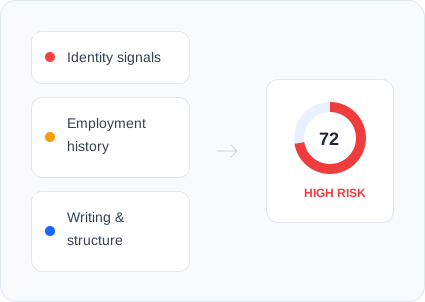
Turn CV Red Flags Into a
Documented Risk Score
A checklist tells you what to look for. CV Risk Checker scans any resume in seconds and shows you exactly where the fraud signals are — before you book the interview.
Compliance Issues in the Recruitment Industry
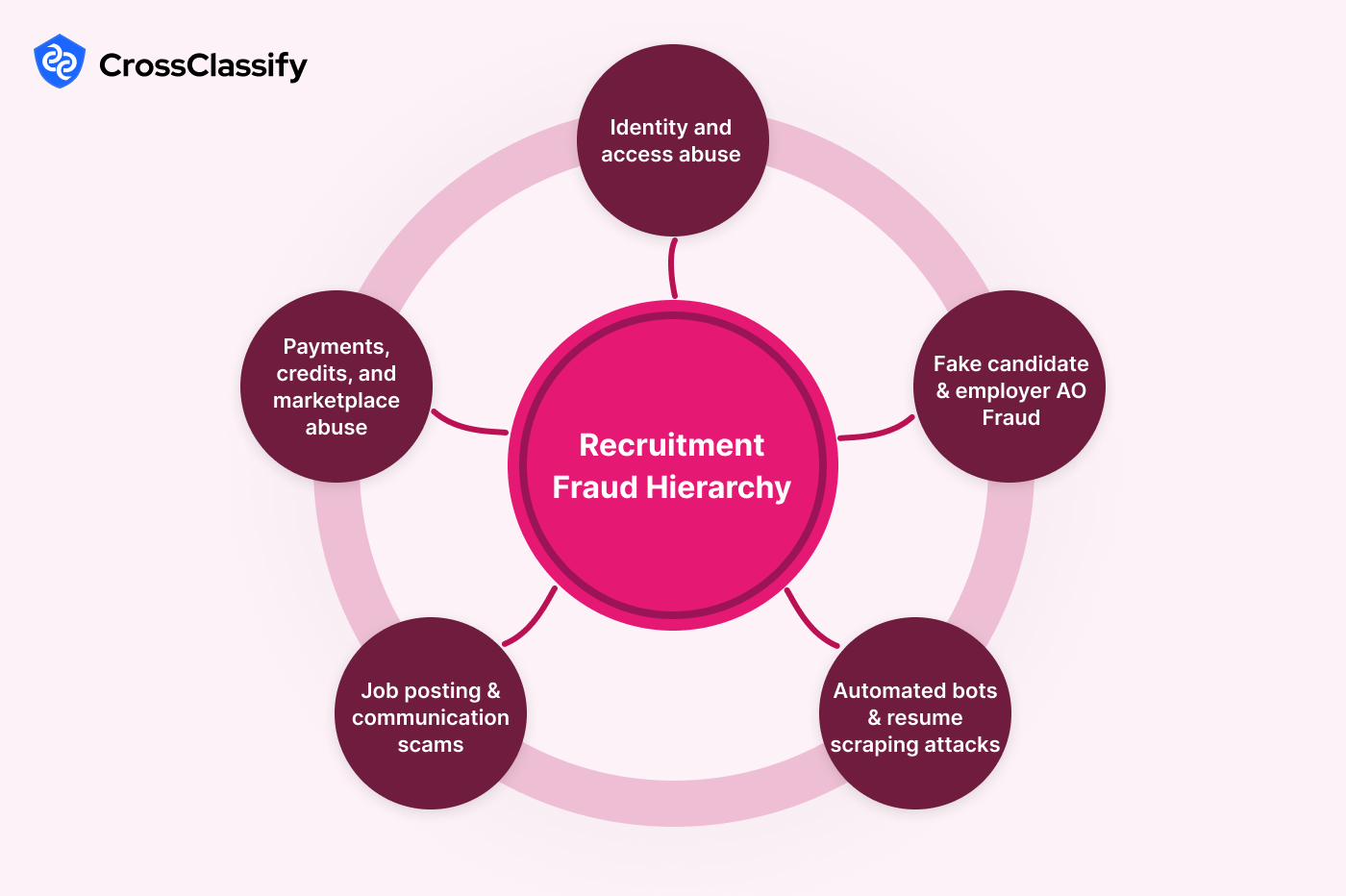
Fraud Types in the Recruitment Industry
Fraudsters publish fraudulent listings on job boards, social media platforms, or even cloned websites of real companies. These postings often mimic legitimate job descriptions, luring applicants into submitting personal information such as passports, bank details, or social security numbers. In many cases, candidates are pressured to pay for application processing, training programs, or travel expenses, only to discover that no job exists. Fake postings damage the reputation of the companies impersonated and erode confidence in widely used recruitment channels.
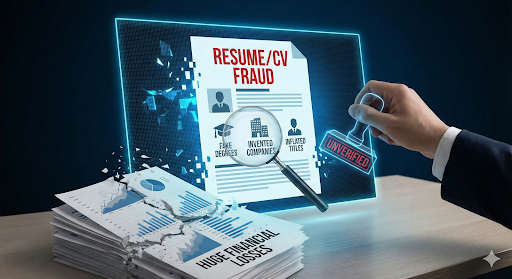
Candidates intentionally misrepresent their qualifications by exaggerating work experience, fabricating educational credentials, or providing false references. This deception leads to poor hiring decisions, wasted recruitment resources, and increased turnover when mis-hires are eventually discovered. A survey by Reed Screening found that over 60% of recruiters encounter suspicious applications each year, with resume fraud being the most common. For highly regulated industries like healthcare or finance, hiring under false credentials can also trigger compliance violations and legal penalties.
Cybercriminals impersonate recruiters or HR managers from well-known companies, sending fraudulent offer letters and communications through email, phone, or WhatsApp. Victims are asked to pay deposits, purchase equipment, or share sensitive identity documents. For example, Infosys and Tech Mahindra have repeatedly issued public warnings about impersonators using their logos and letterheads. This type of fraud not only harms job seekers but also tarnishes the credibility of the organizations being impersonated.
Fraudsters create emails, job ads, or portals designed to look identical to legitimate recruitment systems. Unsuspecting candidates are redirected to fake websites where they enter login credentials, financial details, or upload CVs. These stolen details are later sold on the dark web or used for account takeover. Phishing is particularly dangerous because it can also target HR professionals, compromising enterprise systems and exposing entire databases of candidate information.
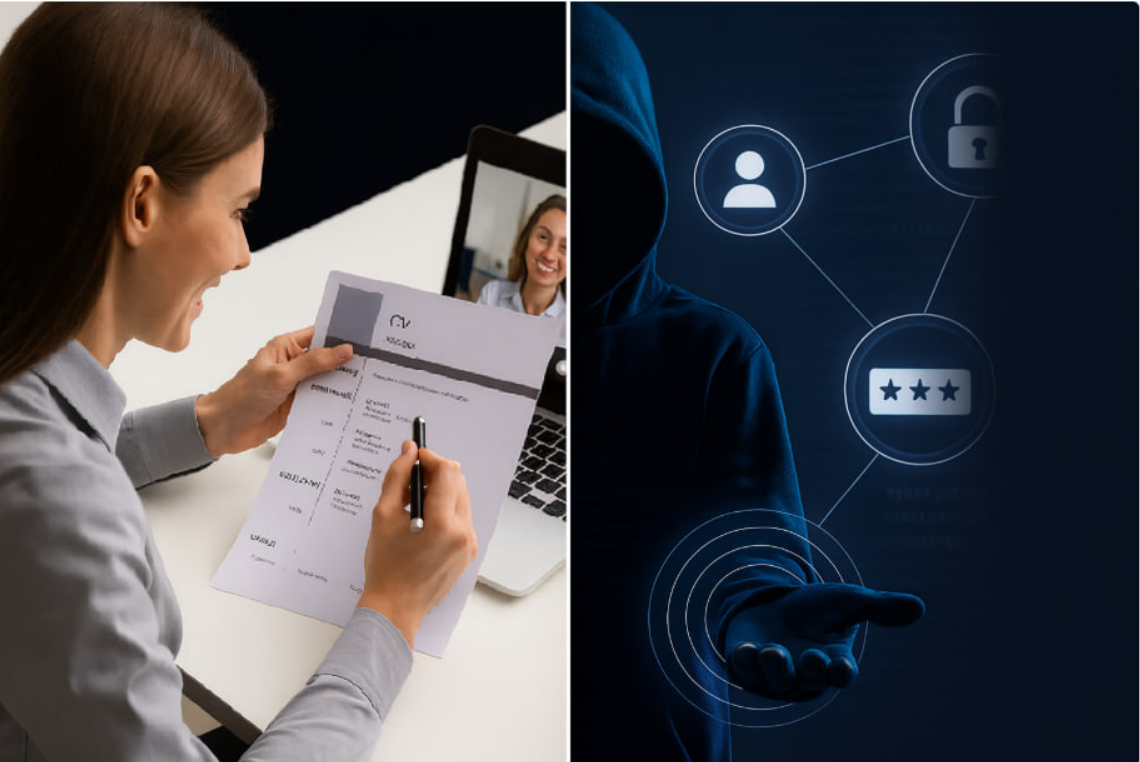
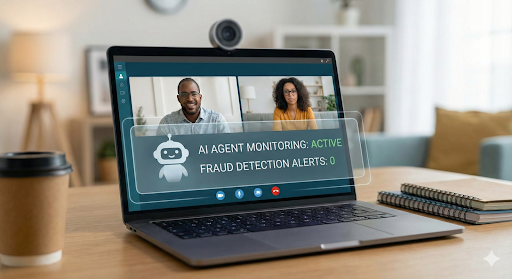
With the rise of generative AI, fraudsters now create entirely fictitious applicants. These synthetic candidates are built using AI-generated resumes, stock photos, or even deepfake videos to pass video interviews. Such fabricated identities can be used to infiltrate organizations, particularly in remote-first roles where in-person verification is minimal. This form of fraud creates significant risk for employers as it bypasses traditional screening processes and introduces untraceable insiders into the workforce.
Global job seekers are frequent targets of scams perpetrated by fraudulent "recruitment agencies." These agencies charge fees for overseas placements, work permits, or visas that never materialize. Cases of Indeed international recruitment fraud have shown how fraudsters exploit cross-border hiring demand by setting up fake offices or websites to impersonate legitimate staffing firms. These scams are particularly damaging because victims may invest large sums, relocate, or abandon secure jobs in pursuit of opportunities that turn out to be fabricated.
Each of these fraud types has been reported in real-world cases across platforms such as LinkedIn, Indeed, and other global job boards. Collectively, they highlight the urgent need for robust fraud detection measures in the recruitment industry. Without proactive solutions, fraudsters will continue to exploit vulnerabilities in candidate screening, recruiter verification, and digital hiring workflows.
Why MFA and WAF Are Not Enough
How CrossClassify Could Help the Recruitment Industry
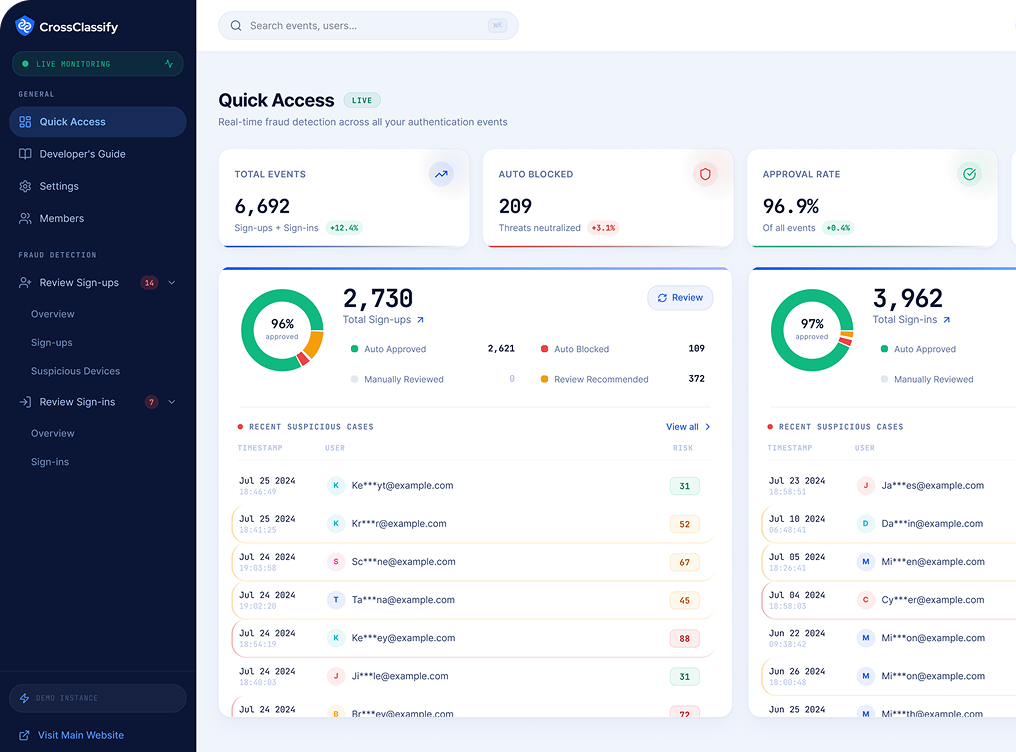
Fraudulent applicants often recycle the same devices to create multiple fake identities or submit fraudulent resumes. CrossClassify's Device Fingerprinting technology detects these patterns by analyzing hardware, software, and network configurations. Even when fraudsters use VPNs or change browser settings, unique device signatures expose links between fake accounts. This helps recruiters identify and block fraudulent applicants before they enter the screening pipeline.
Resumes can be falsified, but behavior is much harder to fake. CrossClassify applies Behavioral Biometrics to analyze keystroke dynamics, mouse movements, and interaction patterns. This makes it possible to distinguish between genuine candidates and synthetic applicants generated by AI tools. It also helps recruiters identify manipulated resumes by correlating candidate behavior with declared qualifications, reducing the risk of costly mis-hires.
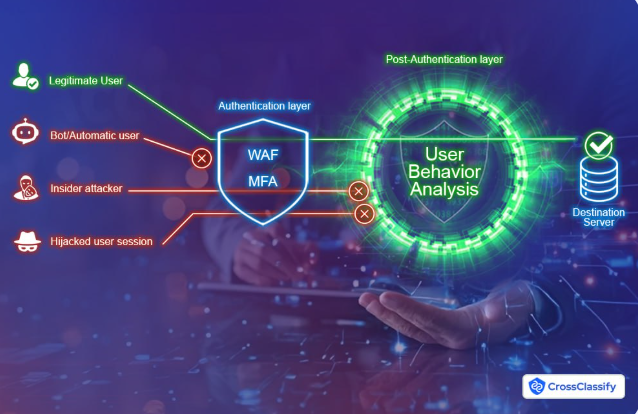
Static checks like MFA or identity documents only provide one-time verification, leaving systems vulnerable to session hijacking, SIM swaps, and insider fraud. CrossClassify employs Continuous Adaptive Risk and Trust Assessment to monitor user behavior and device signals throughout the hiring process. This ensures anomalies are flagged instantly, such as when a candidate switches devices mid-application or when a recruiter account shows unusual login activity.
Fraudsters often target recruiter or candidate accounts to steal data, hijack communications, or launch large-scale scams. CrossClassify integrates defenses against both Account Takeover and Account Opening Fraud. By monitoring login behaviors, device changes, and suspicious identity creation patterns, the system blocks unauthorized access attempts while preserving a seamless experience for legitimate users.
By combining these capabilities, CrossClassify transforms recruitment fraud prevention into a proactive, adaptive process. Agencies can protect candidate data, job boards can maintain trust in their platforms, and enterprises can safeguard their brands from impersonation attacks. Ultimately, these tools enable HR teams to focus on hiring the right talent without the burden of fraud undermining the recruitment process.
Conclusion
CrossClassify offers enterprise-grade AI recruitment fraud prevention solutions that combine device fingerprinting, behavioral biometrics, and adaptive risk monitoring. By adopting these tools, HR teams and recruitment agencies can safeguard their operations, comply with data protection laws, and build trust in hiring processes.
See How Protect Your Platform from Account Opening Fraud
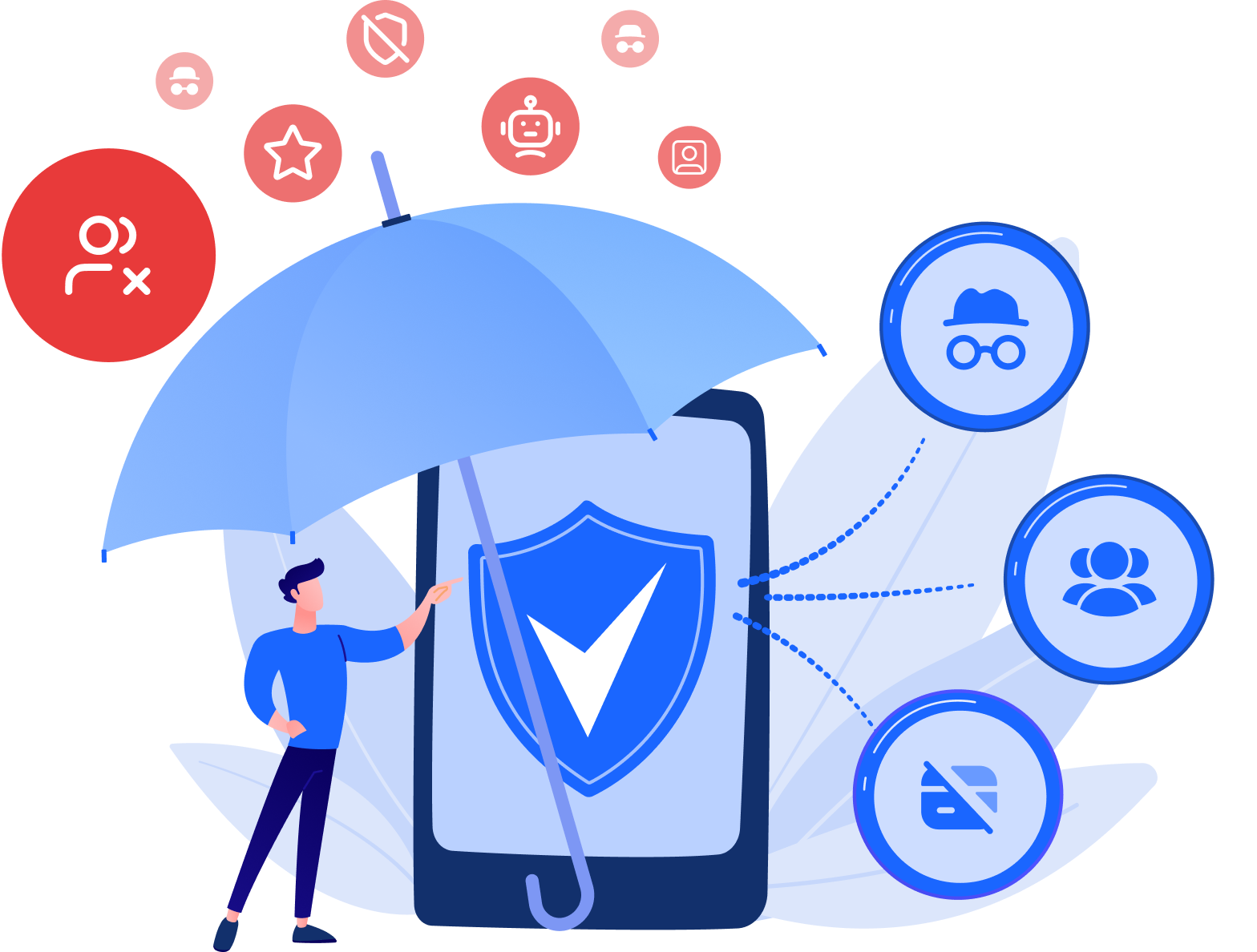
CrossClassify uses AI and continuous behavior monitoring to detect and prevent Fake accounts, protecting your business processes
Check a CV for Fraud Signals in 60 Seconds
Upload any resume and get an instant risk score, flagged signals, and a recruiter-ready action checklist.
Try the CV Risk CheckerNo credit card required
Share in
Related articles
Frequently asked questions
Let's Get Started
Create your free
account today
Discover how to secure your app against fraud using CrossClassify
No credit card required