Last Updated on 10 Nov 2025
Make your Odoo HIPAA Compliant
Share in
What Is Odoo?
Odoo is an open-source Enterprise Resource Planning (ERP) system that brings together all aspects of business operations into a single, integrated platform. Unlike traditional ERPs, Odoo is modular, customizable, and scalable, allowing organizations to start small and expand as their needs grow.
Odoo includes a rich suite of core business apps including Accounting, CRM, Inventory, Manufacturing, HR, Project Management, and more, that work together seamlessly. Because of its open-source nature, it's easy to tailor Odoo to the unique requirements of any industry, including healthcare, finance, and education.
From a compliance and risk perspective, Odoo security plays a critical role in how data is handled. The platform provides various built-in Odoo security features, such as user access control, encryption (with proper configuration), and secure authentication mechanisms.
Odoo can also be deployed on-premise or in the cloud, giving organizations flexibility in hosting environments which is an important consideration when pursuing HIPAA or Odoo ISO 27001 certification standards for information security.
How Can It Be Used as an ERP in Healthcare?
Healthcare organizations rely on accurate data, regulatory compliance, and smooth coordination among departments. Odoo can serve as the central nervous system for a hospital or clinic, integrating administrative, clinical, and financial workflows into one unified environment. Below are some of the most important ways Odoo can be used in the healthcare industry.
Core Use Cases of Odoo in Healthcare
Odoo provides a secure environment to store and manage patient demographics, medical history, and visit records. Through its scheduling tools, healthcare providers can automate appointment booking, reminders, and check-ins. Electronic Medical Records (EMRs) can also be maintained directly within Odoo or through integrations with external systems, ensuring that patient data is accurate, accessible, and securely managed.
The platform can streamline daily hospital operations by organizing departments, wards, and bed assignments efficiently. Laboratory and pharmacy management modules can be integrated to track lab tests, prescriptions, and medication dispensing in real time. Odoo can also automate the creation of discharge summaries and medical reports, reducing manual documentation and improving coordination between healthcare departments.
Odoo simplifies the financial side of healthcare by automating billing for consultations, procedures, and diagnostic services. It can synchronize transactions with the accounting module to maintain clear financial visibility and support audits. The system can also manage insurance claims and reimbursements, helping healthcare organizations process payments faster and reduce administrative delays.
In a hospital or clinic, managing supplies efficiently is vital. Odoo's inventory and procurement features enable organizations to track medical equipment, drugs, and consumables throughout their lifecycle. Automated procurement rules help maintain optimal stock levels, while batch and expiry tracking ensure compliance with healthcare safety standards and regulations.
Odoo's HR and payroll modules provide a unified platform to manage staff records, certifications, schedules, and payroll processes. This ensures that healthcare professionals' credentials remain up to date and that payroll is processed accurately and on time. HR data can also be linked to compliance and training records, creating transparency across workforce management and regulatory tracking.
Benefits of Using Odoo in Healthcare
•
Unified system connecting all healthcare departments.
•
Paperless digital workflows that reduce human error.
•
Strong Odoo security controls to safeguard medical records.
•
Modular design that supports scalability and easy customization.
•
Integration with telehealth, laboratory systems, and external APIs.
HIPAA Compliance
What Is HIPAA?
HIPAA (Health Insurance Portability and Accountability Act) is a U.S. federal regulation that safeguards the privacy and security of patients' health data, known as Protected Health Information (PHI). It was enacted in 1996 to set national standards for electronic healthcare transactions and patient data protection.
Where Is HIPAA Compliance Required?
The Two Main HIPAA Rules
1.
HIPAA Privacy Rule: It controls who can access and share Protected Health Information (PHI). Its main objectives are protecting privacy and security of individual's PHI and providing rights to individuals on their PHI.2.
HIPAA Security Rule: It mandates specific safeguards to protect electronic PHI (ePHI) from an IT standpoint through administrative, physical, and technical measures.
Covered Entities and Business Associates
•
Covered Entities: Direct healthcare providers such as hospitals, aged cares, clinics, and insurers.
•
Business Associates: Third-party vendors and service providers, such as Odoo consultants, IP providers, hosting providers, or developers, who handle PHI on behalf of covered entities.
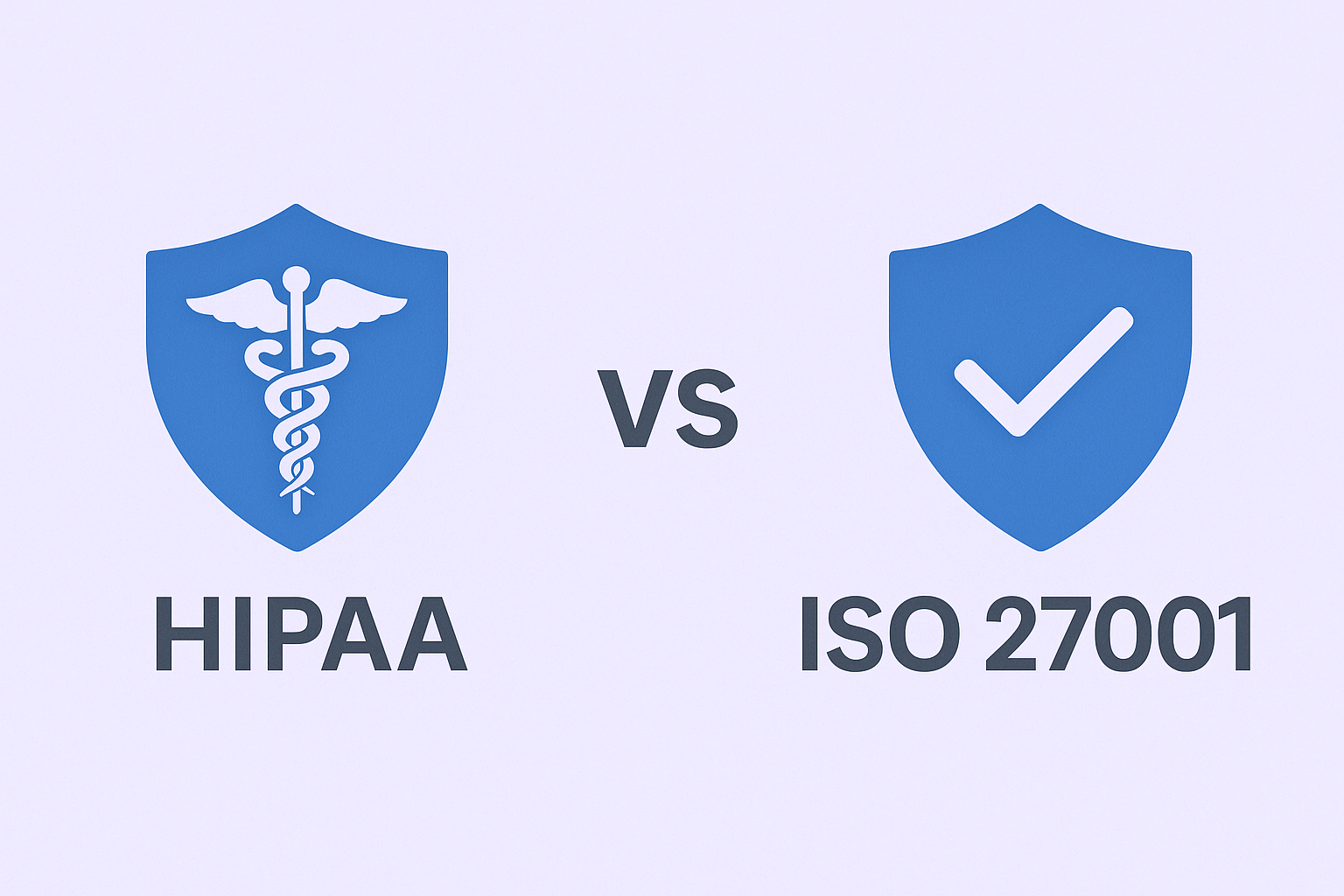
HIPAA vs. Odoo ISO 27001 Certification
While HIPAA is a legal framework for healthcare in the U.S., ISO 27001 is an international information security standard that outlines how to manage data securely across industries.
An organization implementing Odoo ISO 27001 certification demonstrates strong information security controls, such as risk assessment, incident management, and continuous monitoring. However, ISO 27001 compliance doesn't automatically mean HIPAA compliance, because additional safeguards specific to PHI are still required.
Still, Odoo ISO 27001 alignment provides an excellent foundation for achieving HIPAA readiness, especially when implementing Odoo security features like encryption, access management, and audit logs.
Is Odoo HIPAA Compliant?
By default, Odoo is not HIPAA compliant. Odoo's standard installation lacks the complete technical and legal framework (like Business Associate Agreements) necessary for HIPAA compliance.
However, with the right Odoo security configurations, custom modules, and compliant hosting infrastructure, it's entirely possible to make Odoo HIPAA compliant. Deploying Odoo on a HIPAA-certified cloud provider (such as AWS or Azure) and ensuring proper encryption and audit trails can be the first steps.
How to make Odoo HIPAA Compliant
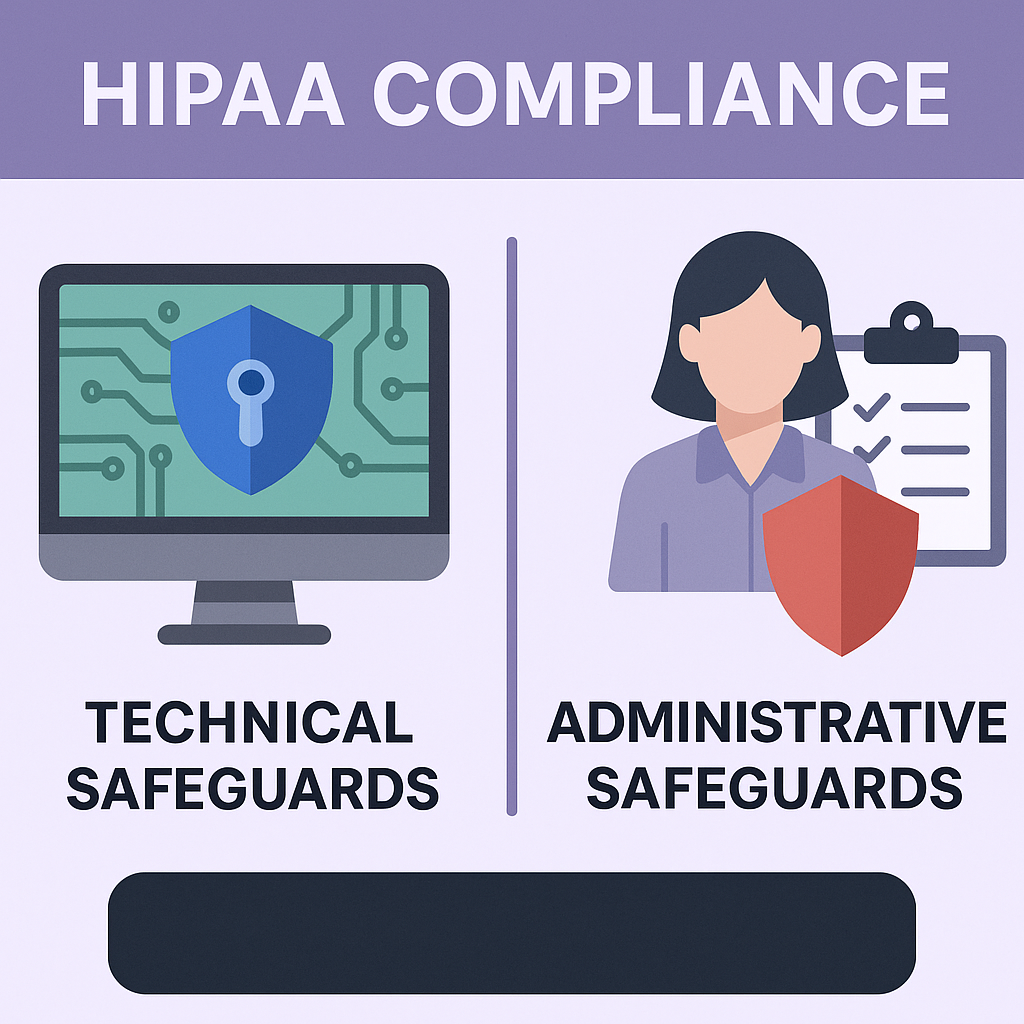
To make Odoo HIPAA compliant, organizations need to implement both technical and administrative safeguards that work together to protect electronic Protected Health Information (ePHI). These two safeguard categories complement each other: the technical measures secure the system itself, while the administrative measures govern the people, policies, and procedures that control how the system is used.
Technical Safeguards
To make Odoo HIPAA compliant, several technical safeguards must be implemented to protect electronic Protected Health Information (ePHI). These controls help ensure data confidentiality, integrity, and availability across the system. Below are some of the essential HIPAA technical controls that should be applied in Odoo; though additional, more detailed safeguards may also be required depending on the size and complexity of your healthcare environment.
1. Data Encryption
Encryption is one of the most critical aspects of Odoo security. All data transmitted between users and the Odoo server should be protected using SSL/TLS encryption to prevent interception during transmission. Additionally, databases, backups, and any file systems storing PHI should be encrypted at rest, ensuring that even if the underlying storage is compromised, sensitive data remains unreadable. Proper key management policies should also be in place to control who can decrypt the information.2. Access Control
Access to patient data must be tightly managed through Odoo's role-based access control (RBAC) system. Each user should only have access to the minimum information necessary for their role. For example, medical staff can view patient treatment data while accounting personnel access billing information. Furthermore, HIPAA compliance requires enforcing strong password policies that mandate complexity, expiration, and rotation, as well as enabling two-factor authentication (2FA) to add an additional layer of security against unauthorized access.3. Audit Logs & Monitoring
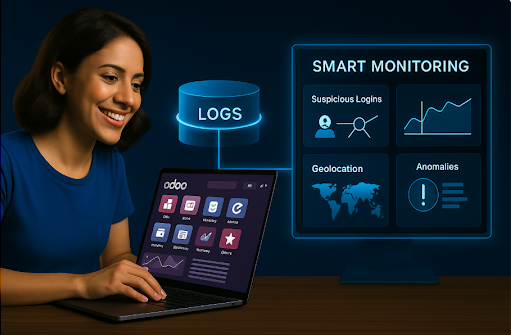
HIPAA requires covered entities to maintain a record of all activities involving ePHI. In Odoo, logging best practices should be considered. Detailed audit logs should be enabled to capture every instance of data access, modification, or export. These logs must be securely stored, protected from alteration, and retained for review during compliance audits or investigations. Regular monitoring of these logs helps detect unusual or unauthorized access attempts, ensuring accountability and traceability of all user actions.4. Automatic Session Management
User sessions in Odoo should automatically log off after a defined period of inactivity. This control prevents unauthorized access when users leave their terminals unattended, reducing the risk of data exposure. The timeout duration should be configurable based on operational needs but remain strict enough to enforce good security hygiene.5. Secure Backup & Recovery
Regular backups are vital to maintaining the availability and integrity of patient information. All Odoo backups containing PHI should be encrypted and stored off-site in secure environments. It's equally important to test restoration procedures periodically to ensure data can be reliably recovered in case of a disaster or cyber incident.6. Business Associate Agreement (BAA)
If Odoo is hosted on third-party infrastructure such as AWS, Azure, or another managed service, the organization must have a Business Associate Agreement (BAA) with the hosting provider. This legal document ensures the provider follows HIPAA's strict requirements for safeguarding ePHI. Odoo Online does not currently offer BAAs, so self-hosted or private cloud deployments are generally recommended for HIPAA-covered entities.Together, these safeguards form the foundation of a HIPAA-compliant Odoo deployment. However, they are not the only controls required. Additional configurations such as intrusion detection, vulnerability management, and continuous risk assessments are necessary to ensure full compliance and ongoing protection of patient data. Also Odoo security tools like OSTA can help you scan, detect and defend your ERP system.
Administrative Safeguards
1. Risk Assessment and Management
Organizations must perform regular risk assessments to identify vulnerabilities in their Odoo configuration, infrastructure, and workflows. Each assessment should evaluate how PHI is collected, stored, and transmitted. The results should lead to a formal risk management plan that documents mitigation steps, timelines, and responsible personnel.2. Security Policies and Procedures
Comprehensive policies are essential to define how Odoo is used within the organization. These should cover topics such as password requirements, access management, acceptable use, and incident response. Documented procedures ensure that every employee understands how to protect patient data and comply with HIPAA obligations.3. Password Policy and Two-Factor Authentication
Although password enforcement is configured technically, the policy itself is administrative. It should define password complexity, rotation frequency, and reset procedures. The policy should also require the use of two-factor authentication (2FA) in Odoo whenever possible to strengthen account security.4. Workforce Training and Awareness
All employees who access Odoo must receive regular HIPAA training. This training should explain how to handle PHI safely, use access controls correctly, recognize phishing or social engineering attempts, and report suspicious activity. Periodic refresher sessions help maintain a culture of compliance and reinforce accountability.5. Audit Log Review and Oversight
While Odoo generates audit logs automatically, reviewing them regularly is an administrative responsibility. Security personnel or compliance officers should analyze these logs to detect anomalies or policy violations and document the results of their reviews.6. Contingency and Recovery Planning
A comprehensive contingency plan ensures that healthcare operations can continue during emergencies or system outages. This plan should define backup procedures, restoration priorities, and contact points. Routine recovery drills verify that backups and systems can be restored within acceptable timeframes without compromising PHI integrity.7. Incident Response and Breach Notification
Organizations must have a formal process for responding to security incidents or data breaches involving Odoo. This plan should outline detection, containment, investigation, and reporting steps. If PHI is compromised, the organization must notify affected individuals and regulatory authorities within HIPAA's specified timeline, typically within 60 days.8. Business Associate Agreements (BAAs)
Any vendor or service provider that hosts, manages, or supports your Odoo system and has access to PHI must sign a Business Associate Agreement (BAA). This agreement legally binds them to comply with HIPAA's security and privacy requirements. For example, if Odoo is hosted on AWS or Azure, both providers can sign BAAs. Odoo Online currently does not offer BAAs, so self-hosted or private cloud deployments are recommended for healthcare entities.Implementing these administrative safeguards ensures that compliance extends beyond software configuration and becomes part of the organization's culture and operations. Combined with the technical controls above, they form a complete and enforceable HIPAA compliance framework for Odoo. HIPAA compliance is essential not only for protecting patient privacy but also for safeguarding the reputation and financial stability of healthcare organizations. Failure to comply with HIPAA regulations can result in severe civil and criminal penalties, with fines ranging from thousands up to $50,000 per violation depending on the nature and extent of the violation. Beyond financial penalties, non-compliance can cause irreparable damage to an organization's reputation, leading to loss of patient trust, negative publicity, and potential legal actions from affected individuals.
Beyond Basic Security: Advanced Runtime Protection
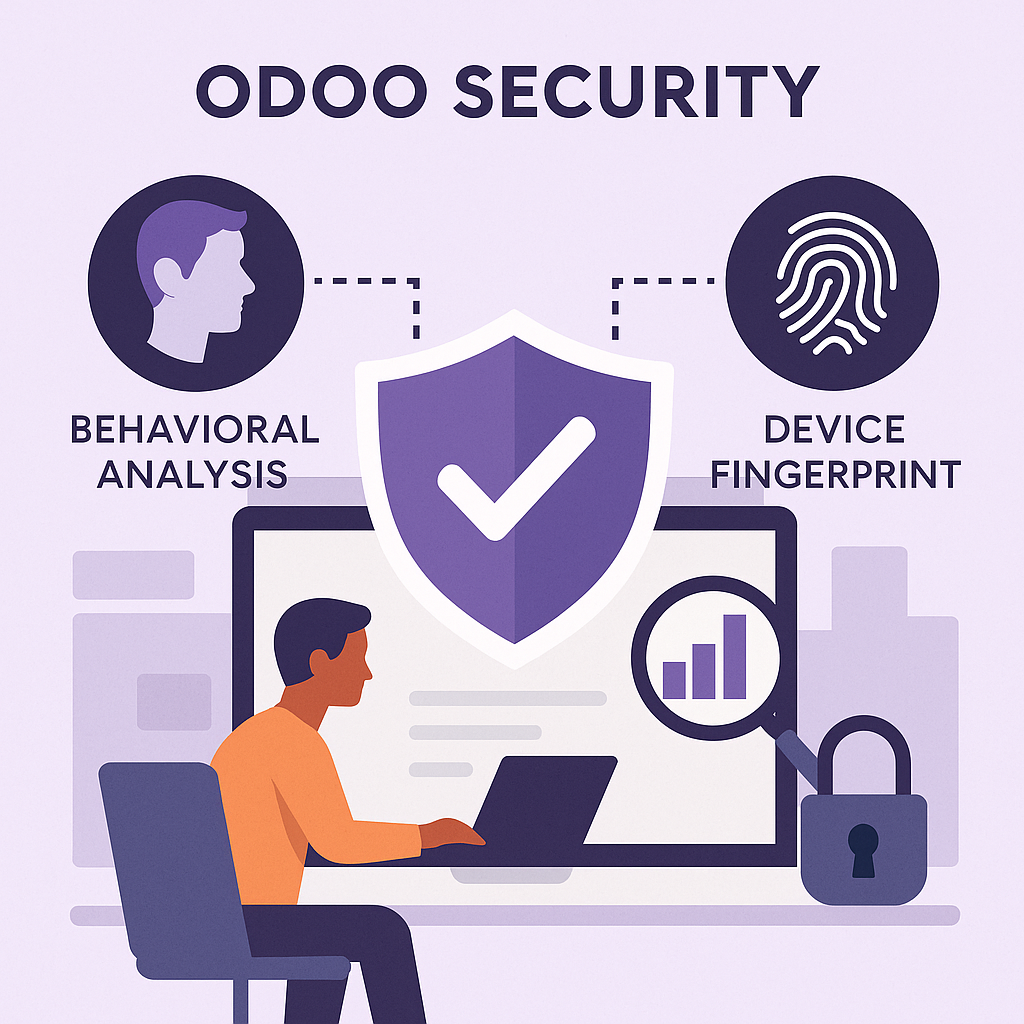
While Web Application Firewalls (WAFs) and MFA are essential, they don't catch everything. Modern threats require additional layers of protection, especially for patient portals and systems that expose PHI.
Consider implementing, Behavioral analysis to detect anomalous user activity, Session risk scoring based on user behavior patterns, Device fingerprints and network analysis, and Adaptive access controls that respond to risk levels
These additional controls help defend against account takeover attacks and automated threats that bypass traditional security measures.
Conclusion
Odoo stands out as one of the most flexible and comprehensive ERP systems available today. Its modular design, open-source foundation, and extensive range of business applications make it a powerful solution for healthcare organizations seeking to streamline clinical, administrative, and financial operations. When properly configured, Odoo can function as a complete Healthcare ERP or Hospital Information System (HIS), integrating patient management, billing, inventory, and HR into one unified platform.
However, when it comes to handling Protected Health Information (PHI), compliance with the Health Insurance Portability and Accountability Act (HIPAA) is essential. HIPAA establishes strict security and privacy standards to ensure patient data is safeguarded throughout its lifecycle. By default, Odoo is not HIPAA compliant, as its standard configuration does not include the full range of legal, administrative, and technical controls required under the regulation.
To make Odoo HIPAA compliant, healthcare organizations must implement the appropriate technical safeguards such as encryption, access control, session management, and secure backup, as well as administrative safeguards, including risk assessments, workforce training, and Business Associate Agreements (BAAs). Compliance does not happen automatically; it requires careful configuration, ongoing monitoring, and a commitment to maintaining data protection practices at every level of operation.
Modern cybersecurity threats also demand proactive defense beyond basic measures. Tools like OSTA, which provide continuous security scanning, detection, and runtime protection, can significantly enhance Odoo's ability to identify vulnerabilities, detect suspicious activity, and defend against attacks that target ERP systems.
In short, Odoo can absolutely serve as a secure and efficient ERP solution for healthcare, but only when it is properly configured, continuously monitored, and strengthened with HIPAA-aligned controls and advanced security tools. With the right strategy and implementation, organizations can unlock Odoo's full potential while maintaining the trust and safety that patient data demands.
Explore CrossClassify today
Detect and prevent fraud in real time
Protect your accounts with AI-driven security
Try CrossClassify for FREE—3 months
Share in
Related articles
Frequently asked questions
• Technical safeguards include encryption, access control, audit logs, secure backups, and session management.
• Administrative safeguards include risk assessments, policies and procedures, employee training, incident response, and BAAs with third-party vendors.

Let's Get Started
Discover how to secure your app against fraud using CrossClassify
No credit card required